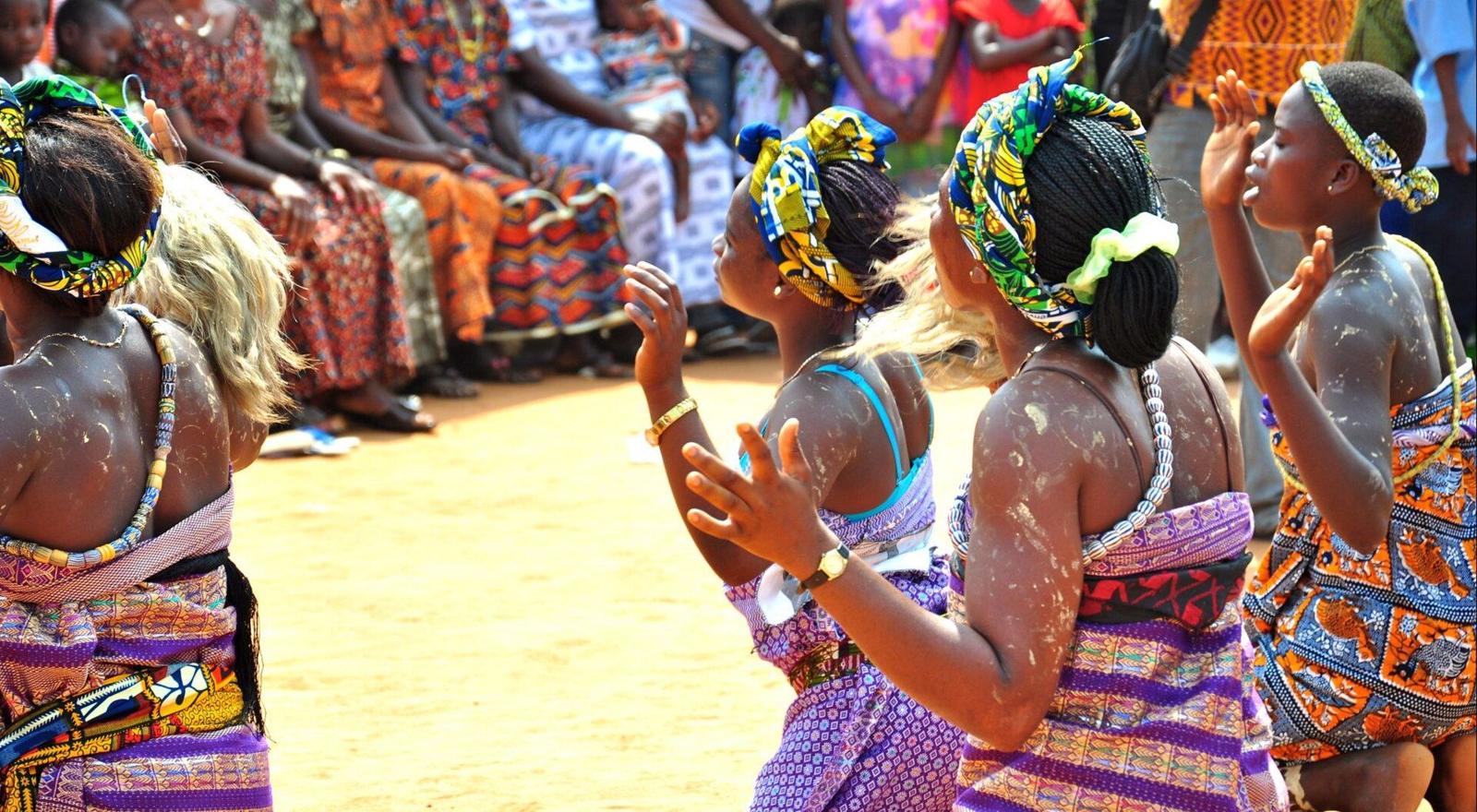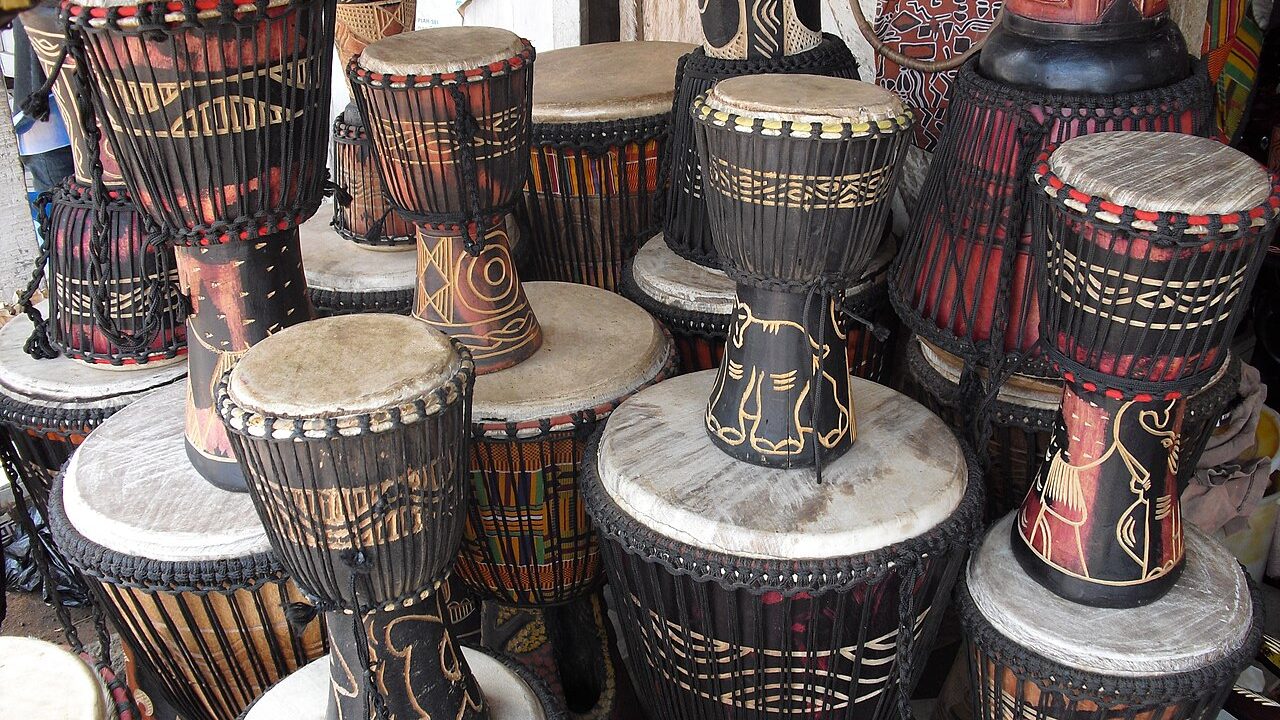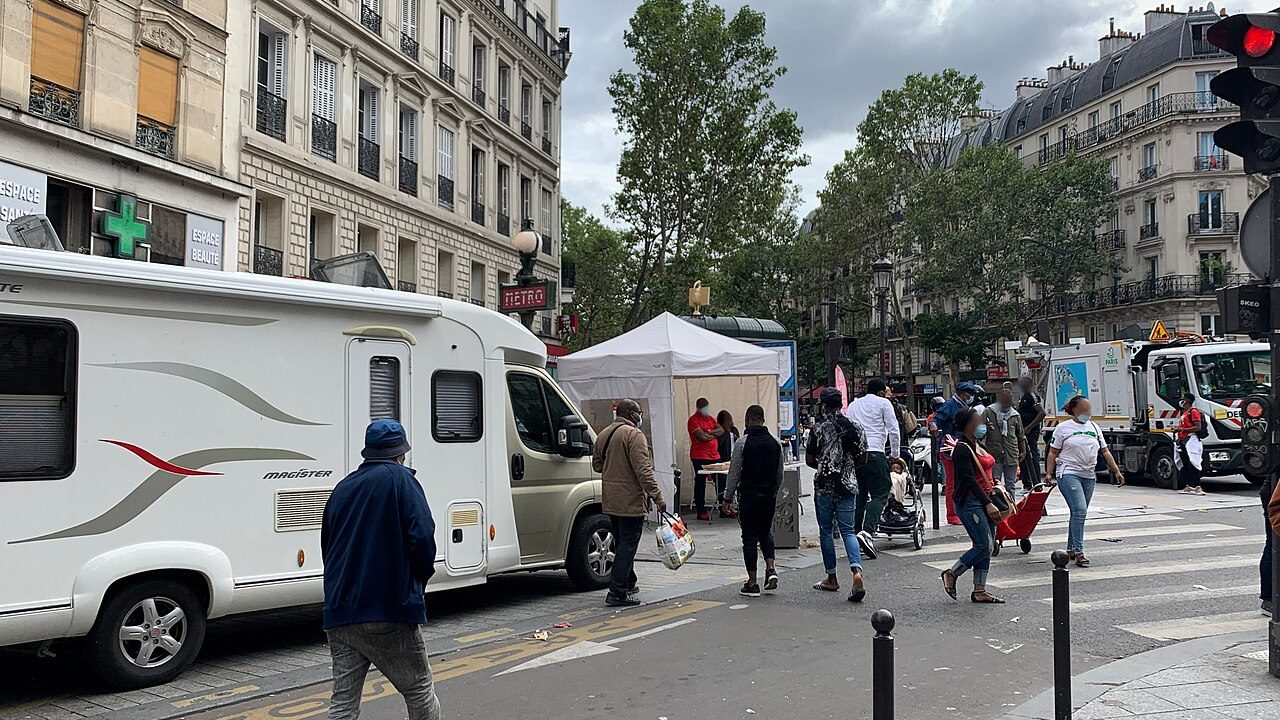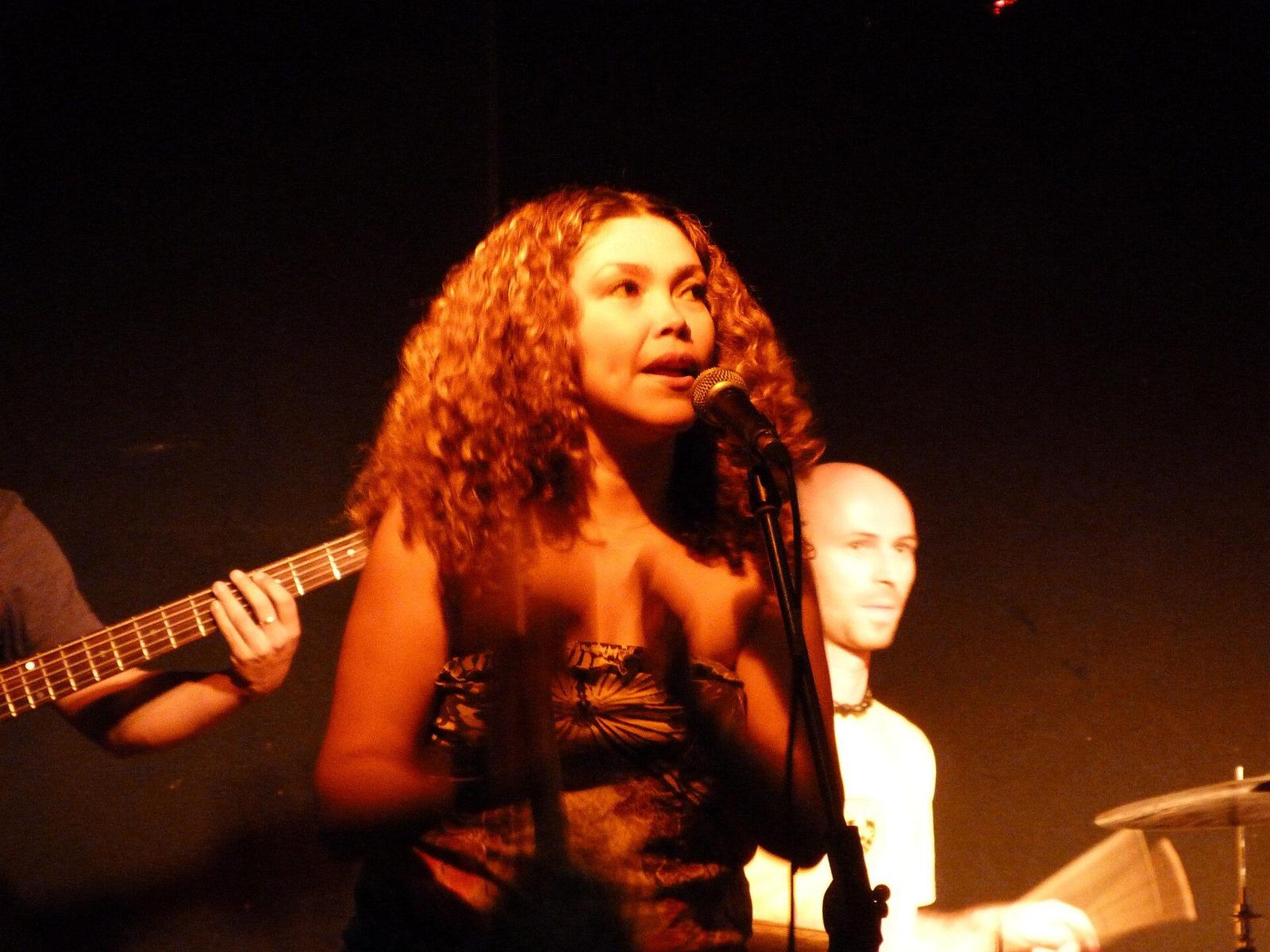
Makossa is the urban dance music of Douala, Cameroon's port city. It is built on a funky electric bass, a horn section and a beat made for dancing, and it grew into one of the most popular modern genres in Cameroon. Born in the 1950s, it spread across Africa and to Paris, and it gave the world one of the most borrowed songs in pop history: Manu Dibango's "Soul Makossa" (1972), whose chant ended up in Michael Jackson's Thriller.
The sound
AllMusic describes makossa as a lively urban popular music danced to in the clubs of Cameroon's cities, where the funky bass rhythm, the horns and the vocalists combine into one sound that pushes dancers to move. MasterClass sums it up as Cameroonian pop built on Congolese rumba, funky electric bass and brass, usually sung in French, Duala or Cameroonian Pidgin.
The influences are wide. Transatlantic Cultures lists 1970s French pop, Ghanaian highlife, Congolese rumba, the beguine of the Antilles, Dominican merengue and Latin American rhythms. Wikipedia adds older local styles such as assiko, essewe and bolobo, and later funk and disco.
What the word means
Makossa started as a dance, and the name says so. Wikipedia translates makossa as "(I) dance" in the Duala language and says it came from a Douala dance called the kossa. AllMusic traces the style back to the kossa dances of Douala children, with hand-clapping. Transatlantic Cultures gives a slightly different translation, "contortion" or "sway".
Transatlantic Cultures adds a detail heard on many records: singers drop the "ma" and shout "kossa!" in the middle of a song to make dancers move more and musicians play harder.
Douala in the 1950s
Douala was a crossroads. Transatlantic Cultures explains that radio, imported records, instruments brought by sailors and soldiers, and Greek, Portuguese and Lebanese traders all carried new music into the city. In the 1950s, Douala listeners heard Afro-Cuban records by the Trio Matamoros and others. AllMusic names ambasse bey, a guitar music played in the neighbourhoods of Douala in the 1950s, as a forerunner of makossa.
The man usually called the father of makossa is Emmanuel Nelle Eyoum. According to Transatlantic Cultures, he first used the word in a song performed at a benefit at the Flambeau Bar in Douala. Wikipedia says he used the refrain kossa kossa in his songs with his group Los Calvinos.
From 1958, the group Négro Styl took the style to other Cameroonian cities. In July 1969, Eboa Lotin represented Cameroon at the Pan-African Festival in Algiers, which Transatlantic Cultures describes as the genre's first success on the continent.
"Soul Makossa"
The song that took makossa around the world was almost an accident. The saxophonist Manu Dibango, born in Douala in 1933, recorded "Soul Makossa" in 1971. It was released in 1972 as the B-side of a song for the Cameroon national football team, written for the Africa Cup of Nations that Cameroon hosted that year. Wikipedia gives that A-side as "Hymne de la 8e Coupe d'Afrique des Nations".
In New York, the record found a second life. Transatlantic Cultures tells how David Mancuso found a copy in a West Indian shop in Brooklyn and played it at his club, the Loft, and how the DJ Frankie Crocker played it on the radio station WBLS. Atlantic Records then released it in the United States. In August 1973 it entered the Billboard chart, where it peaked at No. 21. Dibango went on to play the Apollo in Harlem and Yankee Stadium with the Fania All Stars.
Its chanted refrain, "ma-ma-ko, ma-ma-sa, ma-ko-ma-ko-ssa", is what everyone remembers.
Michael Jackson, Rihanna and the most sampled African song
Wikipedia calls "Soul Makossa" the most sampled African song in history. The best-known borrowing is at the end of Michael Jackson's "Wanna Be Startin' Somethin'", the opening track of Thriller (1982), where he adapted Dibango's chant. In 2007, Rihanna's "Don't Stop the Music" sampled Jackson's version of the line.
In February 2009, Dibango sued both singers. According to Agence France-Presse, cited by Wikipedia, Jackson admitted borrowing the line and settled out of court.
Makossa was borrowed in other ways too. Transatlantic Cultures notes that James Brown heard André Marie Tala's "Hot Koki" in Kinshasa in 1974 and remade it as "The Hustle" the next year, and that Shakira's "Waka Waka", the 2010 World Cup song, drew on "Zangalewa" by the Cameroonian group Golden Sounds.
Paris, the 1970s and the 1980s
In the 1970s and 1980s, makossa split into new wave, pop, funk and soul versions, with artists such as Jo Tongo, Charles Lembe, Dikoto Madengue, André Marie Tala and Dibango himself. Much of this happened in Paris, where Cameroonian music had a strong presence and independent labels such as Sonodisc and Safari Ambiance carried it when the majors would not take the risk.
Wikipedia notes that makossa had a wave of mainstream success across Africa in the 1980s. In 1985 the creation of Cameroon Radio Television helped spread Cameroonian popular music across the country.
Makossa today
In the 2000s, Transatlantic Cultures notes, makossa became more commercial, using more technology and studio processing, and the Duala language gave way more often to French and English in the lyrics. Wikipedia also lists makassi as a lighter form of the style. Makossa's great rival at home is bikutsi, the dance music of the Beti people around Yaoundé.
To hear where it all started, play "Soul Makossa" and then a Douala record from the 1970s. For the wider family of styles around it, see our guide to African music genres.
FAQ
What is makossa?
An urban music and dance from Douala, Cameroon, built on a funky electric bass, horns and a dance beat. It became one of the most popular modern genres in Cameroon and spread to West Africa, France and the French Caribbean.
What does makossa mean?
Sources differ. Wikipedia and several guides translate it as "(I) dance" in the Duala language, from a dance called the kossa. Transatlantic Cultures translates it as "contortion" or "sway". Singers often shorten it to "kossa" to push dancers and musicians on.
Who is the father of makossa?
Emmanuel Nelle Eyoum is generally considered the father of makossa. He first used the word in a song at the Flambeau Bar in Douala, and Wikipedia credits him with using the refrain "kossa kossa" with his group Los Calvinos.
Is Soul Makossa a makossa song?
Yes, a funk version of it. Manu Dibango recorded it in 1971 and it was released in 1972 as the B-side of an anthem for the Cameroon football team. It became a hit in New York clubs and is described by Wikipedia as the most sampled African song in history.
Did Michael Jackson copy Soul Makossa?
He adapted its chanted refrain at the end of "Wanna Be Startin' Somethin'" on Thriller (1982). Rihanna later sampled Jackson's version in "Don't Stop the Music" (2007). Dibango sued both in 2009; according to AFP, Jackson admitted borrowing the line and settled out of court.
Sources
- Wikipedia, "Makossa", consulted 23 November 2026
- Wikipedia, "Soul Makossa", consulted 23 November 2026
- Transatlantic Cultures, "Makossa", consulted 23 November 2026
- AllMusic, "Makossa" style guide, consulted 23 November 2026
- MasterClass, "Makossa Music Guide", March 2022
- Mixmag, "How 'Soul Makossa' made Manu Dibango a club and pop legend", 26 March 2020