Coupé-décalé is a dance music from Côte d'Ivoire, born in the early 2000s. It started in Paris, in the African and Caribbean nightclubs where a group of young Ivorians called the Jet Set, led by Douk Saga, made a show of their style and spending. Back home, at a time of political crisis and civil war, its fast, joyful rhythms and dances became the soundtrack of Abidjan. Today coupé-décalé is one of the best-known dance musics of French-speaking Africa.
The Jet Set in Paris
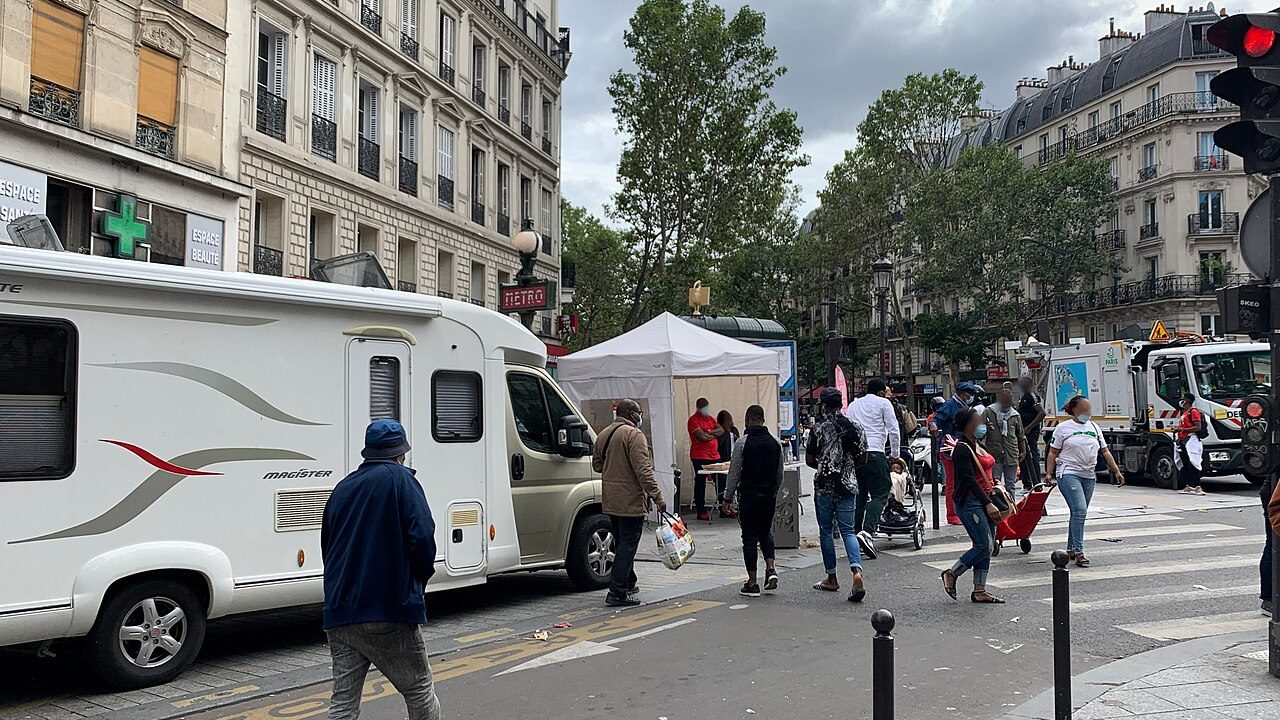
Red Bull Music Academy describes coupé-décalé as first of all a lifestyle. In the early 2000s, a group of young people from Abidjan, the Jet Set, drew attention in Paris clubs, where they came to make noise and show off, throwing money, wearing designer clothes and dancing.
Their leader was Douk Saga, born Stéphane Hamidou Doukouré in Yamoussoukro on 22 May 1974. Around him, the Jet Set turned partying into a performance.
The name
The words come from Nouchi, the street slang of Abidjan. According to the journalist Siddhartha Mitter, quoted in many histories of the genre, coupé means to cheat and décalé to run away. Put together, the name is a wink at getting rich, by fair means or not, and leaving. It fit the flashy image of the Jet Set, and the irony was part of the fun.
"Sagacité" and the boom
Douk Saga's "Sagacité", from 2003, is the song most associated with the birth of the genre. It took coupé-décalé from the clubs of Paris to the streets of Abidjan.
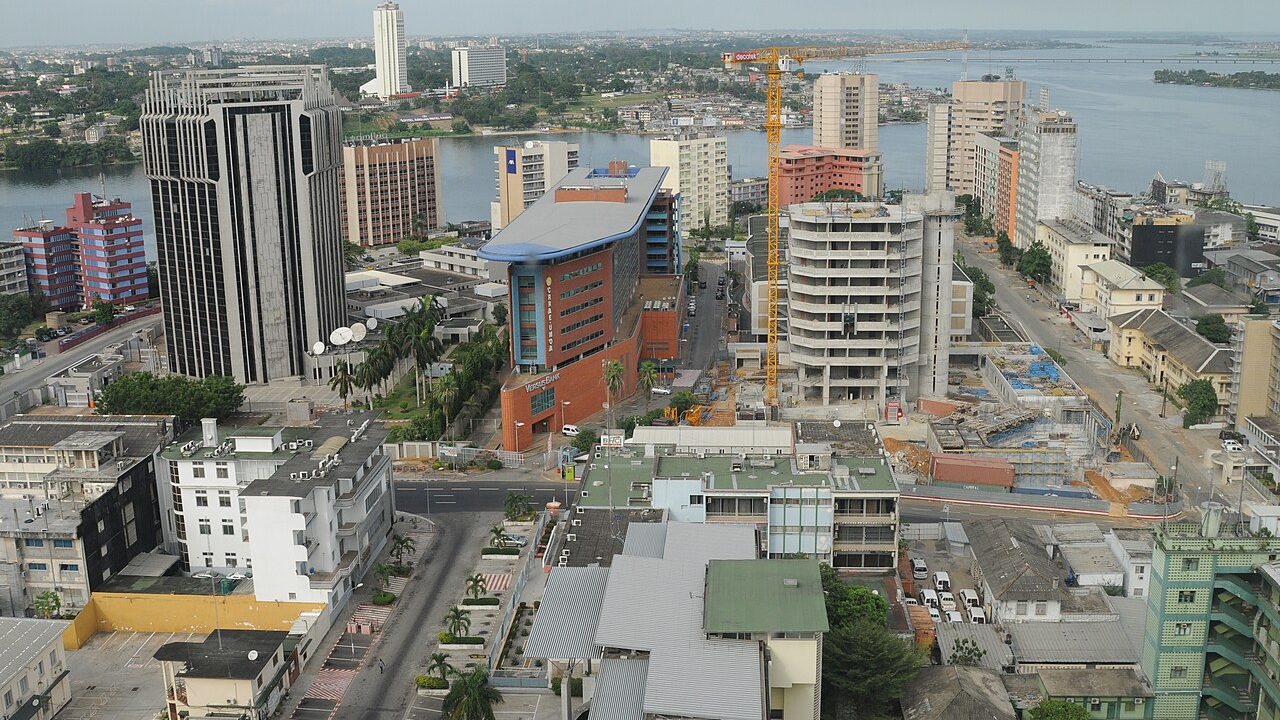
The timing mattered. From 2002, Côte d'Ivoire went through a civil war and years of division. In that context, coupé-décalé offered something rare: a music to dance, laugh and forget. Red Bull Music Academy notes that it became a social phenomenon in the war-torn country, far more than a passing fad.
A music of dances
Coupé-décalé is fast and percussive, built for the dance floor, and its songs constantly launch new dances, often with names the singer calls out. Douk Saga's style included hand gestures and moves such as the "Afuka Fuka". His successors kept inventing: every hit came with its own steps, and the best dancers became stars in their own right.
That habit of naming dances inside songs connects coupé-décalé to Congolese music, where the atalaku calls the moves, and to the way ndombolo spread across Africa.
After Douk Saga
Douk Saga died on 12 October 2006 in Ouagadougou, Burkina Faso, aged 32. By then the genre had a new generation of artists, and it kept evolving, mixing with other African and Caribbean styles and later with Afrobeats.
Its links to Paris never disappeared. For the bigger story of how the French capital became a hub for African music, read How Paris Became a Capital of African and Caribbean Music.
FAQ
What does coupé-décalé mean?
The name comes from Nouchi, Abidjan's street slang. According to the journalist Siddhartha Mitter, 'coupé' means to cheat and 'décalé' means to run away, a cheeky reference to getting rich and leaving.
Who created coupé-décalé?
Douk Saga, born Stéphane Hamidou Doukouré (1974-2006), and his collective the Jet Set are credited with creating and popularising it, notably with the 2003 hit 'Sagacité'.
Is coupé-décalé from Paris or Abidjan?
Both. It started among young Ivorians in Paris's African nightclubs in the early 2000s and became a mass phenomenon in Côte d'Ivoire.
Sources
- Red Bull Music Academy Daily, "Coupé Décalé All Stars Trading Cards", September 2016
- Le Monde, Jean-Philippe Rémy, on Douk Saga, 17 October 2006
- RFI Musique, Bertrand Lavaine, "Coupé-décalé, tempo sulfureux", 8 January 2021