Hip-hop dance is an umbrella term for street dance styles performed mainly to hip-hop music, or born inside hip-hop culture. It started in 1970s New York and today covers everything from breaking in a Bronx cypher to choreography in a pop music video. The name is used loosely, and that is where the arguments start: some dancers say only breaking and the hip-hop party dances count, while studios use "hip-hop" for almost any routine set to rap or R&B. Here is how the pieces fit.
Where it started
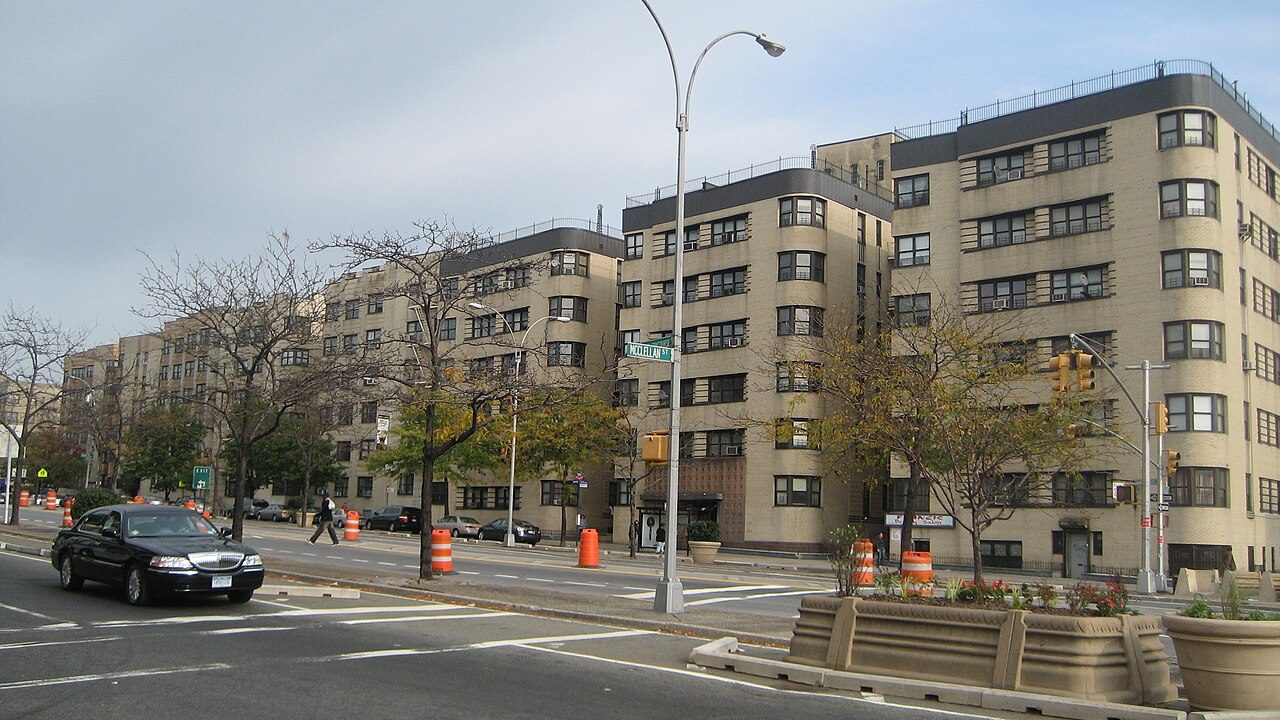
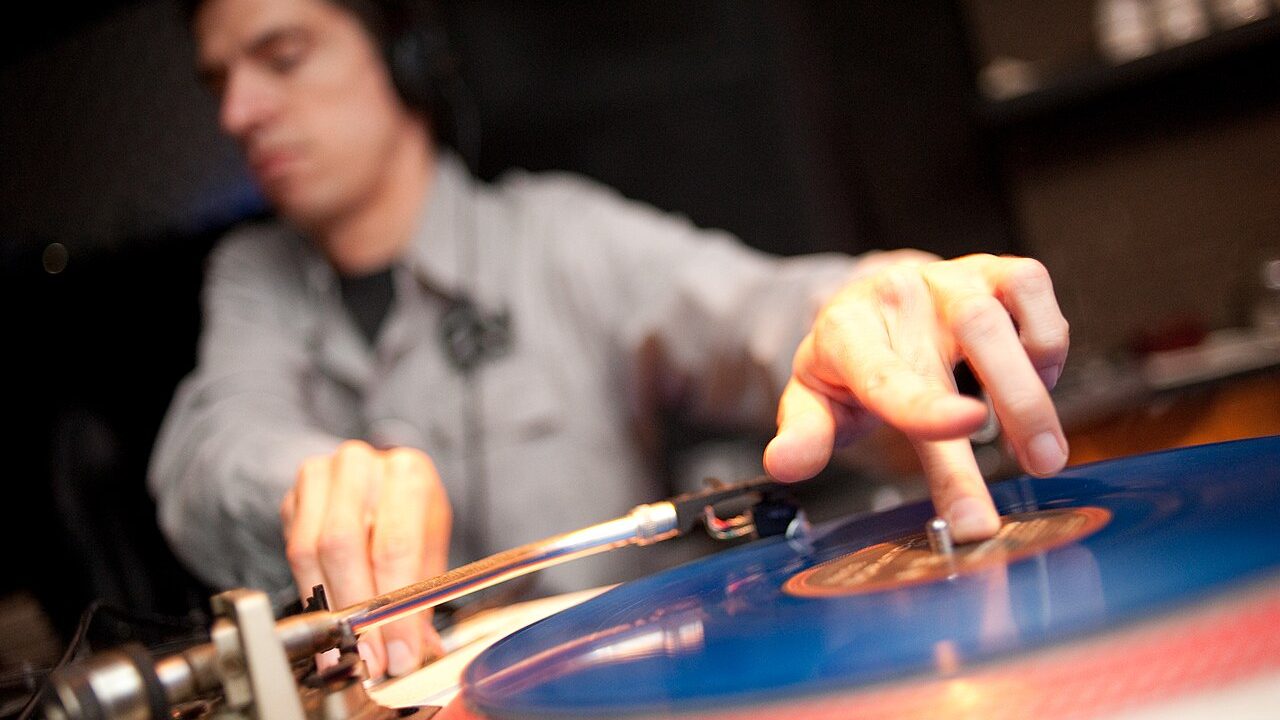
Hip-hop as a culture was born at block parties in the Bronx in the early 1970s. In 1973, DJ Kool Herc popularised the break beat: the instrumental passage of a funk or soul record, the part people most wanted to dance to, which he stretched out so dancers could show what they could do. DJs then learned to use two copies of the same record to extend the break even longer.
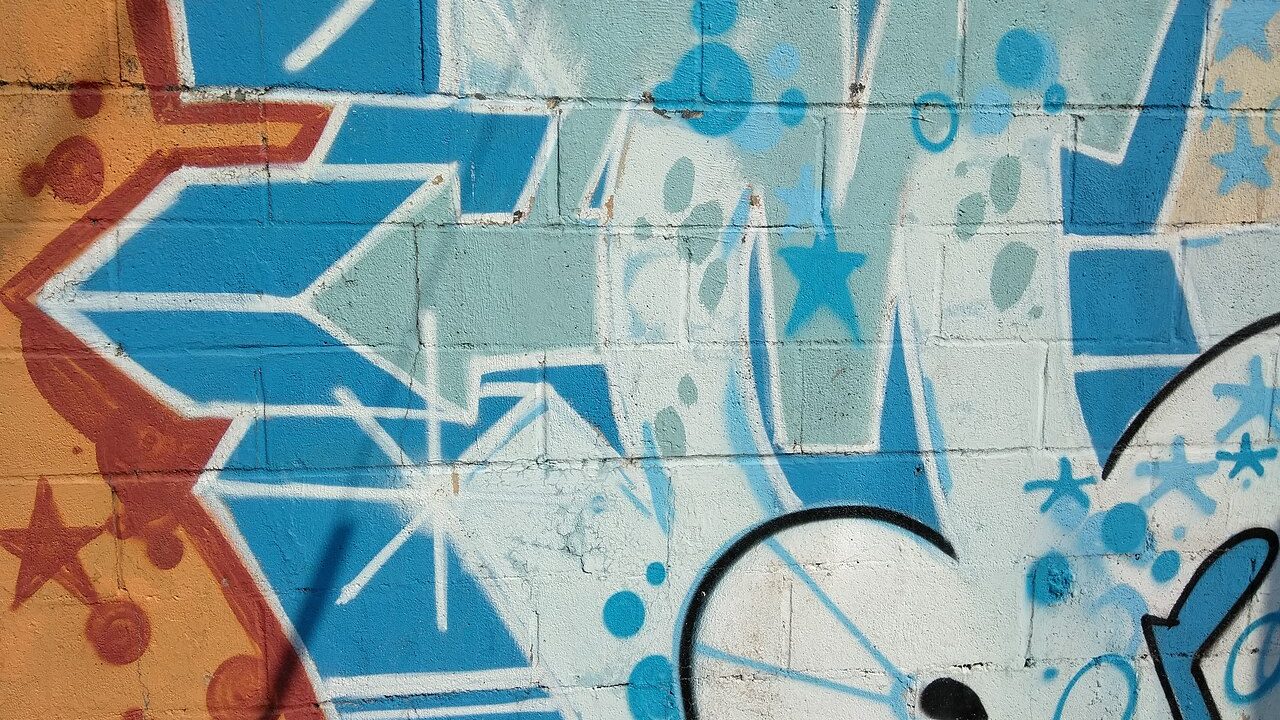
The dancers who danced to the break were the break-boys and break-girls, b-boys and b-girls for short. Their dance, breaking, is considered the first hip-hop dance style. Afrika Bambaataa counted it among the core elements of hip-hop culture, alongside DJing, MCing, graffiti and knowledge.
Early breaking was danced standing up, in what dancers call toprock, and drew on James Brown's "Good Foot" dance and on uprock, a more aggressive, fight-like dance from Brooklyn. Influences from martial arts and gymnastics then pulled it down to the floor. African American teenagers created it, and Puerto Rican dancers, such as Rock Steady Crew's Richard "Crazy Legs" Colón, kept it growing in the late 1970s when many considered it a passing fad.
What counts as hip-hop dance
Breaking
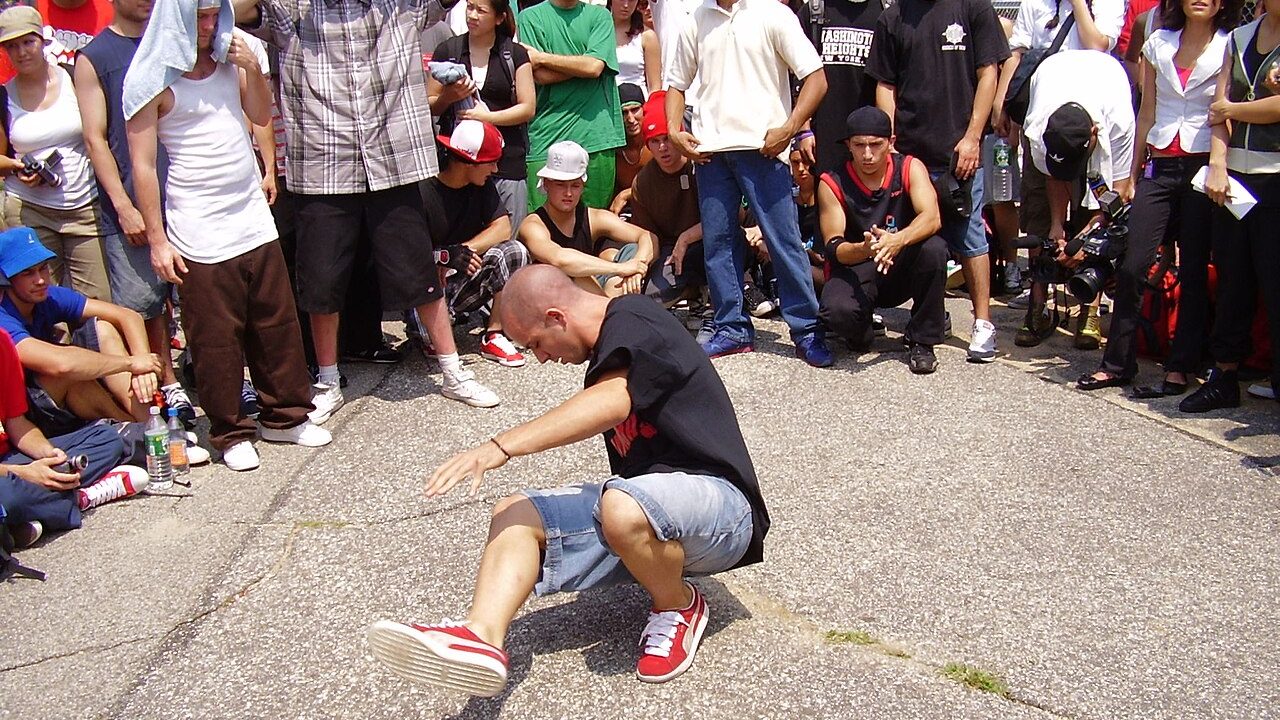
Breaking has four foundations: toprock, danced standing; downrock or footwork, with hands and feet on the floor; freezes, poses held on the hands; and power moves, the spinning acrobatics most people picture. It is danced in a cypher, the circle formed by onlookers, or in battles between crews. Breaking became an Olympic discipline at Paris 2024.
Hip-hop social dances
As breaking grew in the 1980s, so did hip-hop party dancing: the dances people did at parties and clubs, driven by the songs of the day. The Roger Rabbit, the Cabbage Patch and the Running Man came from that world, and so did later dances such as the Dougie. They keep changing as new songs bring new moves.
For Moncell Durden, a dance historian who was teaching dance at the University of Southern California at the time, that is the full list. In an interview with Racked, he said that hip-hop dance involves two dances, breaking and the social dances, and nothing else.
Studio hip-hop, or new style
The dance industry answered with a commercial, studio-based version: choreographed hip-hop for music videos, concerts and classes. It is hard-hitting, built on isolations, and usually counted in eights.
Two moments shaped it. In the 1970s, Toni Basil, a ballet-trained dancer and manager of The Lockers, taught that crew to dance to counts, bringing a studio method into street dance. And in 1989, Emilio "Buddha Stretch" Austin Jr. started formal hip-hop classes at Broadway Dance Center in New York. The same year, Janet Jackson's "Rhythm Nation" video put the Running Man in front of a huge audience.
The name new style came from outside the US. According to Moncell Durden, dancers in France and Japan were deeply influenced by the 1992 documentary Wreckin' Shop From Brooklyn. They called the New York party dancing they saw "new style", short for New York style.
The styles that are often called hip-hop, but are not
This is the most common mix-up. Popping and locking are usually taught in hip-hop schools and appear in hip-hop battles, but they are funk styles. They were created in California, locking in Los Angeles around 1969 by Don Campbell and popping in Fresno in the 1970s by Boogaloo Sam and the Electric Boogaloos, independently of breaking in New York. Both were first danced to funk music, not hip-hop.
The confusion comes largely from the media of the 1980s, which lumped West Coast funk styles and New York breaking together as "breakdance". The TV show Soul Train and films such as Wild Style, Breakin' and Beat Street brought all of them to a mass audience at the same time.
Other street styles have their own roots again. House dance comes from the house music clubs of Chicago and New York, waacking from the gay clubs of 1970s Los Angeles, and voguing from Harlem's ballroom scene. They often share the same events, but they are not hip-hop dances.
Newer styles from the streets
Hip-hop culture kept producing local street dances. Memphis jookin', from the 1980s, is known for gliding footwork and balancing on the tips of sneakers. Turfing came from Oakland in 2002, and jerkin' spread from Los Angeles around 2009. The most famous of these newer styles is krump, created in South Central Los Angeles in the early 2000s and brought to the world by the 2005 documentary Rize.
Street versus studio
Many hip-hop dancers draw a sharp line between the dance that came from the streets, improvised and danced in cyphers and battles, and studio choreography that borrows its look. Buddha Stretch, quoted in Dance magazine, complained about teachers who learn steps from videos without knowing the culture.
Both sides exist today, often in the same dancers. A typical career might start in a studio class, move to cyphers and battles, then back to choreography for videos or tours. What the purists ask is simple: learn where the moves come from, and give the originators their due.
How to start
If you are curious, look for a school that names its styles clearly: breaking, hip-hop foundations or party dances, and choreography. Classes that teach foundations and history alongside routines will give you more than a class that only teaches the latest combination. And go to a jam or a battle at least once, even just to watch. You will understand the culture faster in a cypher than in front of a mirror.
Frequently asked questions
What is hip-hop dance? Street dance styles performed mainly to hip-hop music or born in hip-hop culture, starting in 1970s New York, from breaking and party dances to studio choreography.
Are popping and locking hip-hop dances? Strictly, no. They are California funk styles that were later grouped with hip-hop, largely by the media.
What was the first hip-hop dance? Breaking, created in the Bronx in the early 1970s.
What is new style hip-hop? A name coined by dancers in France and Japan for New York party dancing, now often used for choreographed hip-hop.
FAQ
What is hip-hop dance?
A range of street dance styles performed mainly to hip-hop music or developed as part of hip-hop culture, starting in 1970s New York. It includes breaking, hip-hop social or party dances and, in a wider sense, studio choreography often called new style.
Are popping and locking hip-hop dances?
Strictly speaking, no. Popping and locking are funk styles created in California in the late 1960s and 1970s, separately from hip-hop, and were first danced to funk music. They were grouped with hip-hop later, largely by the media.
What was the first hip-hop dance?
Breaking, created in the Bronx in the early 1970s, is considered the first hip-hop dance style.
What is new style hip-hop?
A name used by dancers in France and Japan for the New York party dancing they saw in the 1992 documentary Wreckin' Shop From Brooklyn. Today it often refers to choreographed hip-hop with studio technique added.
Sources
- Wikipedia, "Hip-hop dance" and "Street dance"
- Racked interview with Moncell Durden, quoted in Wikipedia, "Hip-hop dance"
- Dance magazine interview with Emilio "Buddha Stretch" Austin Jr., quoted in Wikipedia, "Hip-hop dance"