Kwassa kwassa (also written kwasa kwasa) is a Congolese dance from the 1980s in which the hips swing back and forth and the hands move to follow them. It came out of Kinshasa, in what was then Zaire, and spread through the music videos of soukous stars such as Kanda Bongo Man and Pépé Kallé. It became one of the most popular dances in Africa, and it left a mark on the Ivorian and Congolese dances that followed.
The step
The basic movement is simple to describe. The hips move back and forth, and the hands follow them, so the whole body seems to rock with the music. English Wikipedia's account of its origins adds a detail that explains the look: the dance was meant to imitate the use of a gearshift.
A mechanic from Kinshasa
According to English Wikipedia, the dance was created in 1986 by Jeanora, a mechanic from Kinshasa. At the time, the neighbourhoods of the city were fought over by the big names of Congolese rumba: Zaïko Langa Langa, Papa Wemba and Viva La Musica, King Kester Emeneya and others. Jeanora came up with a dance that copied the movement of changing gear, performed it many times on Zaire's national television and taught it in bars and ngandas. He also claimed to have won an award as the "Best vedette of Africa".
The name has a working-man's meaning too. According to Jeanora, kwassa kwassa comes from the Kikongo language and means "I'm working". Wikipedia noted in 2022 that he was living in Kongo Central.
Not every source tells the same story. French Wikipedia attributes the dance to Empire Bakuba, the band led by Pépé Kallé. The two accounts can be read together: English Wikipedia's page on Pépé Kallé says Jeanora created the dance and Empire Bakuba was one of the many bands that adopted it.
Every band, one dance
What made kwassa kwassa unusual was how widely it was shared. English Wikipedia notes that for the first time in Congo, all the groups adopted the same dance steps. Until then, bands preferred to have their own specific dance. Kwassa kwassa broke that habit.
Music videos played a big part. The dance was popularised by soukous clips and by the videos of Kanda Bongo Man, Pépé Kallé, Viva La Musica and other Congolese musicians.
Kanda Bongo Man, the Paris connection
The artist most linked to kwassa kwassa is Kanda Bongo Man, born in 1955. He started as the singer of the Belle Mambo band in 1973, then moved to Paris in 1979, where his solo career took off. His first solo albums, Iyole (1981) and Djessy (1982), were hits, and his music began to absorb the zouk of Kassav'.
He changed the shape of soukous songs. Instead of several verses followed by a single guitar solo at the end, he put guitar solos after every verse, and sometimes at the start of the song. Wikipedia says this form of soukous gave birth to the kwassa kwassa dance rhythm. His guitarist Diblo Dibala, nicknamed "Machine Gun", played on the album Kwassa Kwassa, released in 1989.
Pépé Kallé and Empire Bakuba
Pépé Kallé (1951 to 1998), the big-voiced singer known as the "elephant of Zaire music", was one of the founding bandleaders of Empire Bakuba in 1973. In the mid-1980s, with Nyboma, he recorded Zouke Zouke (1986), mixing soukous with zouk for audiences in Francophone Africa and the French Caribbean. As kwassa kwassa took off, Empire Bakuba released a four-track album called Kwasa Kwasa in 1987.
The band was also known for its stage show. The critic Martin Enyimo, cited by Wikipedia, noted that the contrast between Pépé Kallé's size and the energy of the band's dwarf dancers made Empire Bakuba especially distinctive to watch.
What came after
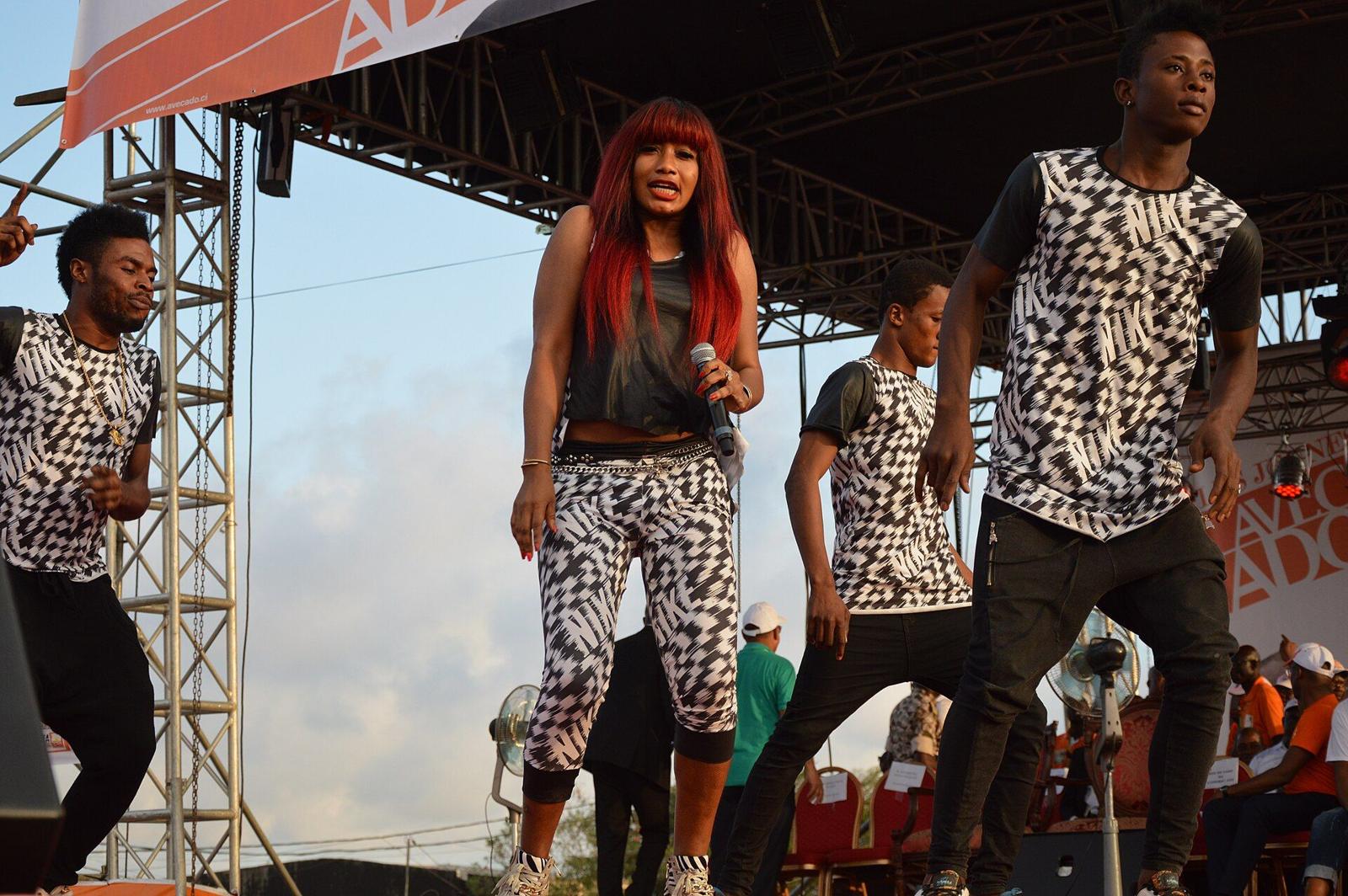
Kwassa kwassa did not stay in Congo. Its spirit lives on in the dances that came next. The Ivorian researcher El Hadji Yaya Koné, cited by Wikipedia, names kwassa kwassa and ndombolo as the main influences on coupé-décalé, the Ivorian dance born in Paris nightclubs.
The name even reached American indie rock. In 2008, Vampire Weekend released "Cape Cod Kwassa Kwassa", which English Wikipedia lists as a reference to this kind of beat.
To try it, put on Kanda Bongo Man's Kwassa Kwassa or Empire Bakuba's Kwasa Kwasa, and let the hips lead. The hands will follow.
FAQ
What is kwassa kwassa?
A Congolese dance from the 1980s in which the hips move back and forth while the hands follow them. It was spread by soukous music and videos and became popular all over Africa.
Who created kwassa kwassa?
English Wikipedia credits Jeanora, a mechanic from Kinshasa, who created the dance around 1986. French Wikipedia attributes it to Pépé Kallé's band Empire Bakuba, which released an album called Kwasa Kwasa in 1987. Kanda Bongo Man is the artist most associated with spreading it.
What does kwassa kwassa mean?
According to Jeanora, the words come from the Kikongo language and mean "I'm working".
Is kwassa kwassa the same as soukous?
No. Soukous is the music, the fast Congolese guitar style that grew out of Congolese rumba. Kwassa kwassa is a dance done to it, and Wikipedia describes Kanda Bongo Man's form of soukous as having given birth to the kwassa kwassa rhythm.
How is kwassa kwassa linked to coupé-décalé?
The Ivorian researcher El Hadji Yaya Koné, cited by Wikipedia, names Congolese dances such as kwassa kwassa and ndombolo as the main influences on coupé-décalé.
Sources
- Wikipedia (English), "Kwassa kwassa", consulted 23 November 2026
- Wikipédia (French), "Kwassa kwassa", consulted 23 November 2026
- Wikipedia, "Kanda Bongo Man", consulted 23 November 2026
- Wikipedia, "Pépé Kallé", consulted 23 November 2026
- Wikipedia, "Coupé-décalé", cited in our article on coupé-décalé