Mapouka is a dance from the south-east of Côte d'Ivoire in which the dancer, usually a woman, shakes her rear end quickly from side to side, often bent forward and facing away from the audience. It began as a traditional village dance, became an urban craze in the 1990s, and caused such a scandal that Ivorian authorities banned it from television in 1998. The ban did not stop it. If anything, it helped mapouka travel across Francophone Africa and beyond, and it is often mentioned today as an ancestor of twerking.
A village dance from the Dabou area
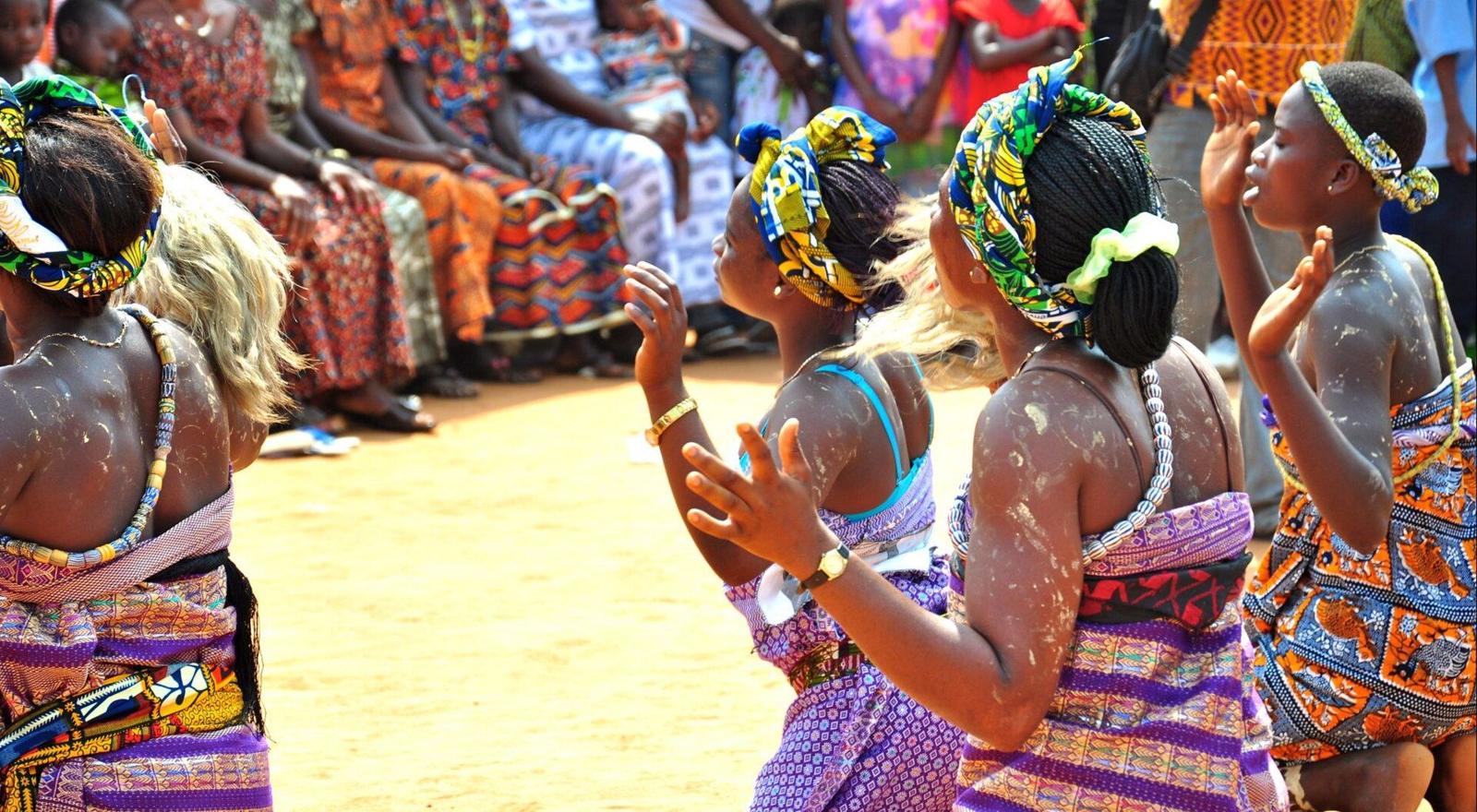
Wikipedia describes mapouka as a modernised version of a traditional dance from the Dabou area of south-east Côte d'Ivoire, linked to the Ahizi, Alladian, Dida and Avikam peoples. The online magazine Afrik.com traces it more precisely to Nigui Saff, a small Ahizi village, where it was a popular dance performed during traditional ceremonies.
The name is hard to translate politely. The World, the American public radio programme, said that in the local language it means "the butt dance" and that there did not seem to be a better translation. Wikipedia gives the French nickname la danse du fessier, "the dance of the behind".
The movement
The core of mapouka is isolation. Only one part of the body really dances. The researcher Yaya Koné, writing about Ivorian dance, describes it as a dance practised by women that uses only the bottom and the buttocks. The World describes dancers shaking their buttocks so fast from side to side that the rear end seems to shiver on its own, independently of the rest of the body. Wikipedia compares it to the shimmies of belly dance.
In its urban version from the mid-1990s, The World notes, the movements got bigger: dancers spread their feet, lowered their hips towards the ground and rested their hands loosely on their hips.
From the village to Abidjan
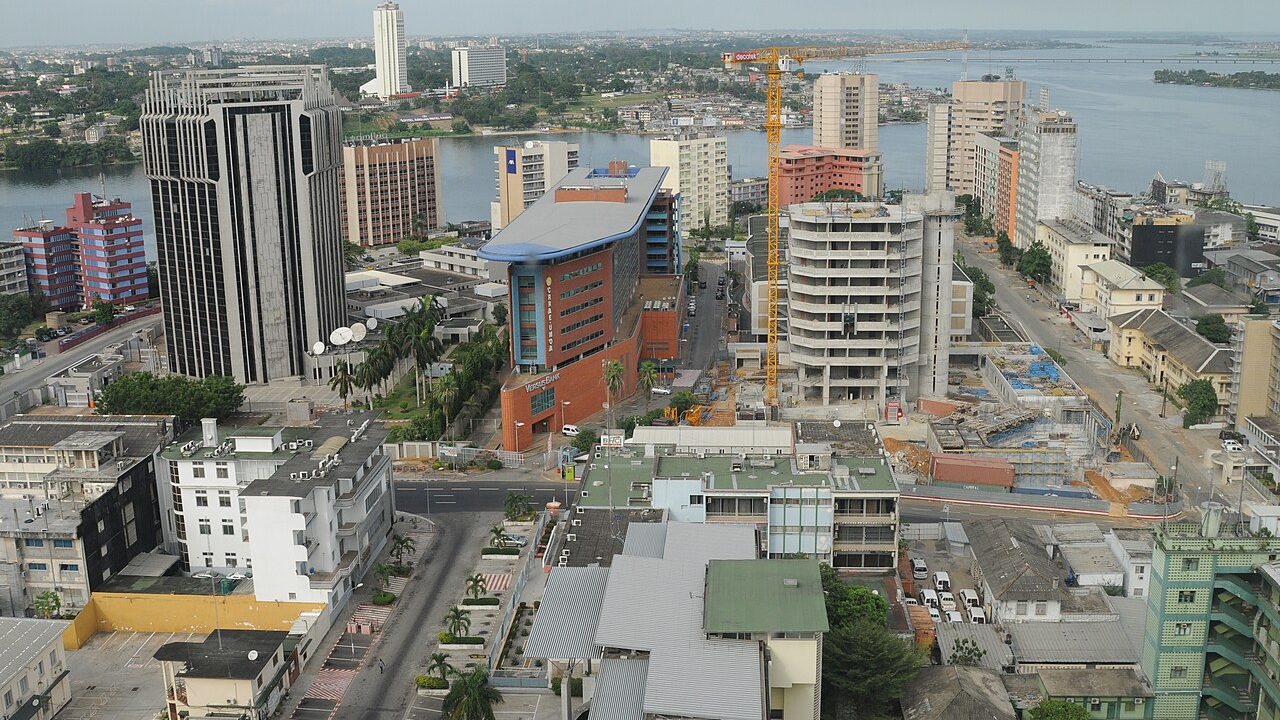
The dates of mapouka's move to the city vary by source. Afrik.com says it became urban from the 1980s, largely thanks to the group Les Tueuses de Mapouka, "the mapouka killers". Wikipedia says mapouka entered the music scene in 1991, after the creation of zouglou music, and also mentions earlier attempts in the 1980s by Ivorian artists who had noticed the popularity of the bump in the United States.
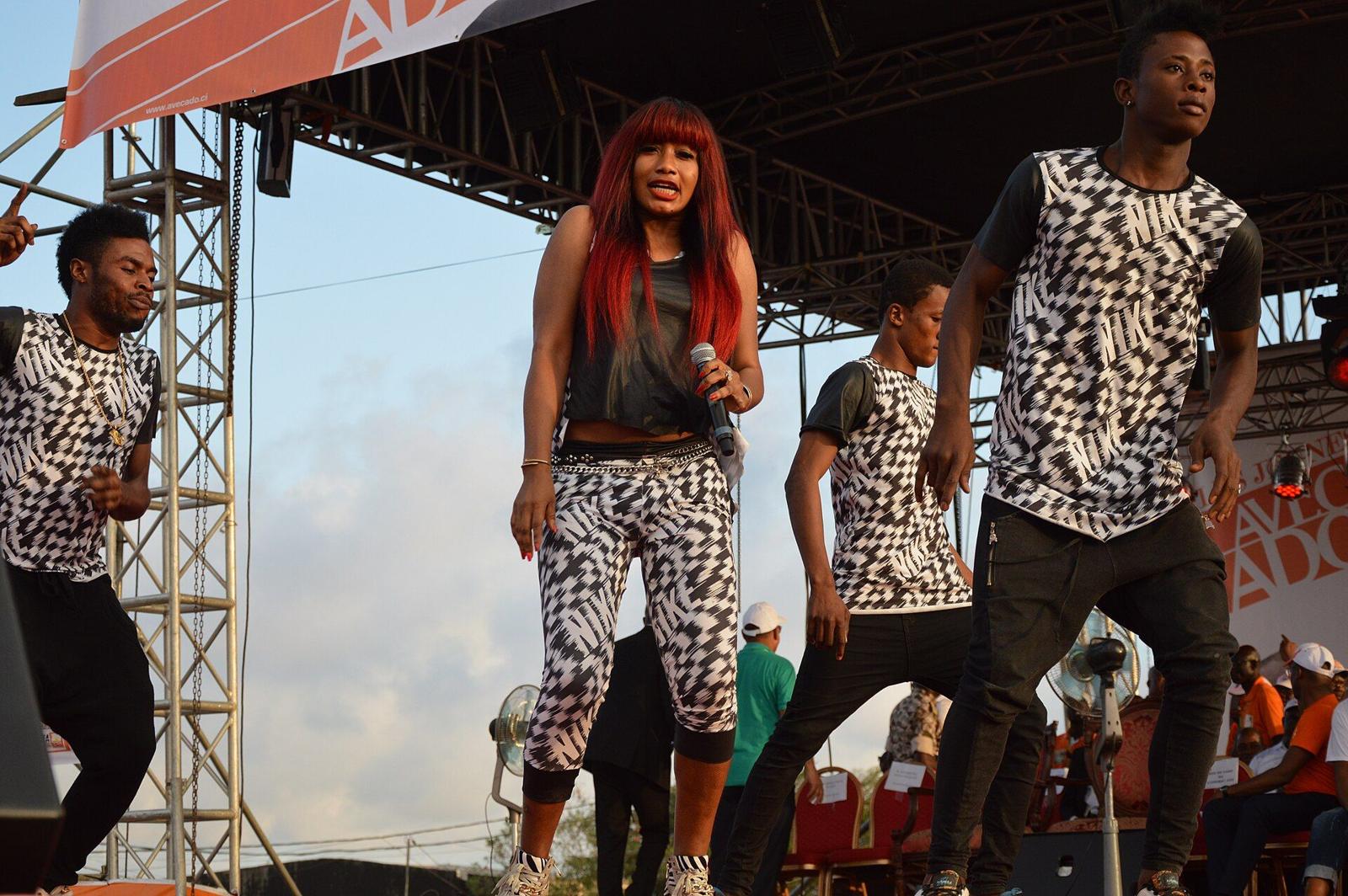
In the clubs and bars of Abidjan, the dance changed. Afrik.com describes more daring outfits, more insistent looks and a dance that became openly erotic. The World reports that one song by Les Tueuses de Mapouka pushed it from suggestive moves to outright miming of sex.
The 1998 ban
The backlash came quickly. In 1998, Côte d'Ivoire's broadcasting regulator, the Conseil National de la Communication Audiovisuelle, banned mapouka, according to Afrik.com. Wikipedia and The World both describe a ban on public performance and on television. Yaya Koné adds that it was not broadcast in Muslim areas and near the northern border.
Côte d'Ivoire was not alone. Afrik.com says the dance was also fought in Togo and Niger, and a BBC report cited by Wikipedia covers Togo's ban. Wikipedia's page on dance in Cameroon notes that in 2000 the government of Cameroon's Southwest Province banned mapouka, a dance imported from Côte d'Ivoire, for its sexual nature.
Religious leaders and both older and younger people also condemned it on moral grounds, Afrik.com adds.
Banned, and more popular than ever
The bans had the opposite effect. The World notes that some believe the ban actually popularised mapouka and helped it spread around the world. Wikipedia says that after the prohibition, the dance gained a fast-growing following, especially in sub-Saharan Africa and in Western countries with large Francophone communities. Afrik.com describes an explosion in the early 2000s across Francophone Africa and its diasporas. In Cameroon, it even competed with Congolese ndombolo.
The internet carried it further. Afrik.com notes that the dance spread widely through online videos, and that it became the subversive dance par excellence, while losing some of its success after the start of the 2000s.
Mapouka and twerking
When twerking made headlines in 2013, The World ran a piece calling mapouka "twerking before twerking" and suggesting it found a new home in the United States, notably in New Orleans with its bounce music. Wikipedia is more careful: it notes that popular media have attributed twerking to mapouka, but that some argue the historical origin is the American bump.
The sources do not settle it, so it is safer to say that mapouka is one of the dances often linked to twerking, not its proven origin.
Where mapouka sits today
Mapouka is part of the story of modern Ivorian dance, alongside zouglou and later coupé-décalé. Its story runs from village ceremony to city craze, then to a ban and wider fame. For the Congolese side of that story, read What is kwassa kwassa?.
FAQ
What is mapouka?
A dance from the south-east of Côte d'Ivoire, mostly performed by women, in which the dancer shakes her rear end quickly from side to side, often facing away from the audience. It is a modern version of a traditional dance from the Dabou area.
Where does mapouka come from?
From the Dabou area of south-east Côte d'Ivoire. Wikipedia links it to the Ahizi, Alladian, Dida and Avikam peoples, and Afrik.com traces it to the Ahizi village of Nigui Saff, where it was danced at traditional ceremonies.
Why was mapouka banned?
Its urban versions became much more sexual. In 1998 Côte d'Ivoire's broadcasting authority, the Conseil National de la Communication Audiovisuelle, banned it from public broadcast. It was also opposed in Togo and Niger, and in 2000 Cameroon's Southwest Province banned it.
Is mapouka the origin of twerking?
It is often presented that way in the media, and The World described it as twerking before twerking. Wikipedia notes that others place the origin of twerking in the American bump, so the question is still argued.
Who are Les Tueuses de Mapouka?
The best-known mapouka group. Afrik.com credits them with taking the dance into the cities, and The World says one of their songs pushed the dance from suggestive to openly sexual.
Sources
- Wikipedia, "Mapouka", consulted 23 November 2026
- Wikipedia, "Dance in Cameroon", consulted 23 November 2026
- Afrik.com, "Le Mapouka : de la tradition à l'exhibition", consulted 23 November 2026
- The World (PRI), "Mapouka: Ivory Coast's Dance-Style Version of 'Twerking'", 17 September 2013
- Yaya Koné, "Coupé-Décalé Dance in Ivory Coast: Body in time of crisis", EASA conference paper, 2010