Shatta is a music genre from Martinique, born in the Volga-Plage district of Fort-de-France and descended from Jamaican dancehall. It usually runs between 90 and 110 BPM, with heavy, minimal beats and lyrics in Creole and French that range from party songs to social commentary. Over the last decade it has moved from Martinican sound systems to French clubs and TikTok.
Origins
Shatta's roots are in Martinique, and specifically in Volga-Plage, a working-class district of Fort-de-France. Its musical parent is Jamaican dancehall, which Caribbean youth had been listening to and remaking for years.
The name comes from Jamaican patois shotta, a slang word for a tough guy. Its first written use in the Martinican sense has been traced to Twitter in 2012, in the phrase Trop shatta.
The pioneers most often named include PSK, Danthology, Mighty Mike, Toupi, Lieutenant and Ti Blica.
The sound
A March 2026 report by Belgian broadcaster RTBF, citing the specialist Noor-Sharina Grondin, places shatta between 90 and 110 BPM. It is one of the very few genres in our coverage with a reliable tempo source, so we publish it.
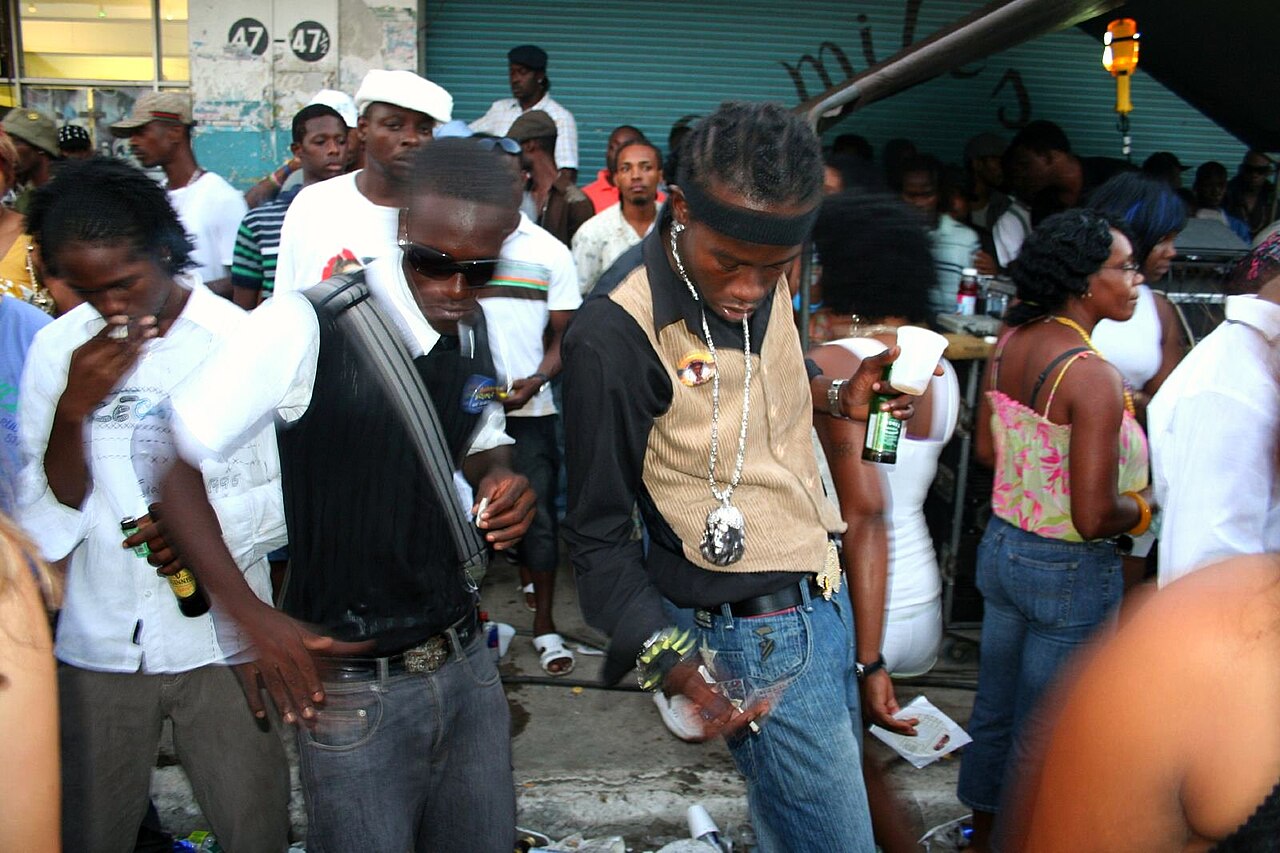
Shatta beats are typically sparse and heavy, built for sound systems and dance floors, leaving space for the voice. RTBF identifies five currents: festive, conscious, militant, feminist, and a Christian and children's strand.
Shatta and bouyon
Shatta is often confused with bouyon, the carnival music of Dominica. They share audiences and energy, and the French press has often mixed them up. But bouyon is a cousin, not a parent. Shatta descends from dancehall.
The moral panic about explicit lyrics that appeared in some French media, including talk of bans in schools or on radio, concerned bouyon rather than shatta, according to the reporting we reviewed.
From Fort-de-France to France
The genre reached a wide French audience in the early 2020s. Maureen, known as the Queen of Shatta, went viral on TikTok with "Tic" in April 2021, and her track "Laptop" with Kalash became the first shatta single certified platinum in France. Aya Nakamura's "Beleck", on her album DNK, brought shatta into one of France's biggest pop catalogues.
Shatta now sits alongside Afrobeats, kompa and zouk in the Caribbean and African club nights of Paris and other French cities, a story we tell in How Paris Became a Capital of African and Caribbean Music.
The argument inside the scene
The most interesting debate in shatta is not between old and young. In a June 2026 report for RCI Martinique, the journalist Léa Mormin Chauvac interviewed two first-generation pioneers. PSK criticised the explicitness of current lyrics. Danthology, from the same generation, defended young women artists' frankness about sexuality.
Positions do not split by generation. They split by how each artist sees freedom, respect and the music's purpose.
What we leave out
You will find lists online naming various Caribbean singers as shatta artists, and a named creator of a "shatta dance". We could not verify those claims, so we do not repeat them. The documented story is rich enough: a district of Fort-de-France, a Jamaican parent, a generation of Martinican producers, and a sound now carried by a Queen of Shatta to platinum.
FAQ
Where does shatta come from?
From Martinique, specifically the Volga-Plage district of Fort-de-France. Its parent is Jamaican dancehall.
What tempo is shatta?
Around 90 to 110 BPM, according to a March 2026 RTBF report citing Noor-Sharina Grondin.
Is shatta the same as bouyon?
No. Bouyon comes from Dominica and is a cousin of shatta, not its parent. Shatta descends from Jamaican dancehall.
Sources
- RTBF, report on shatta, 19 March 2026, citing Noor-Sharina Grondin
- RCI Martinique, report by Léa Mormin Chauvac, 25 June 2026