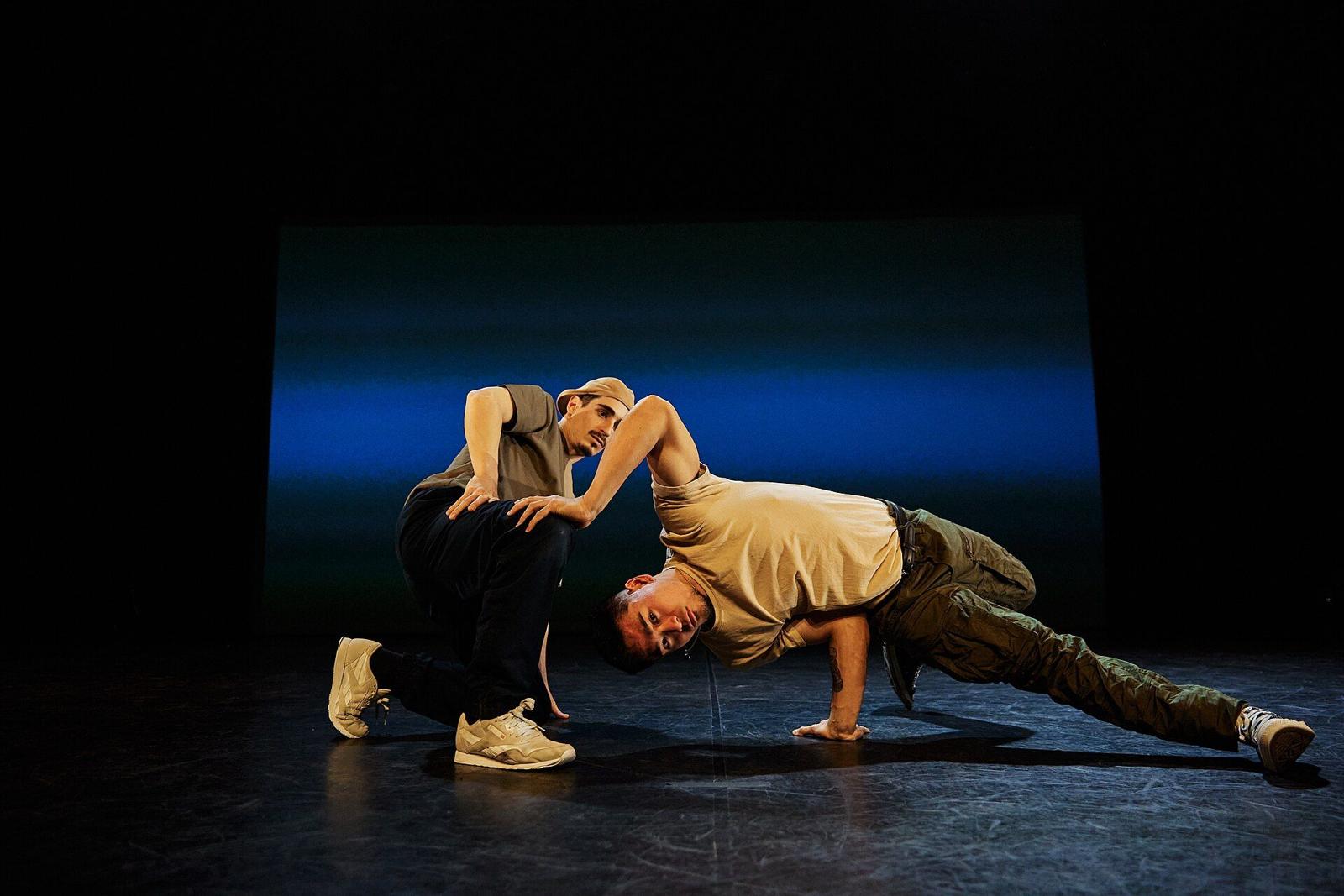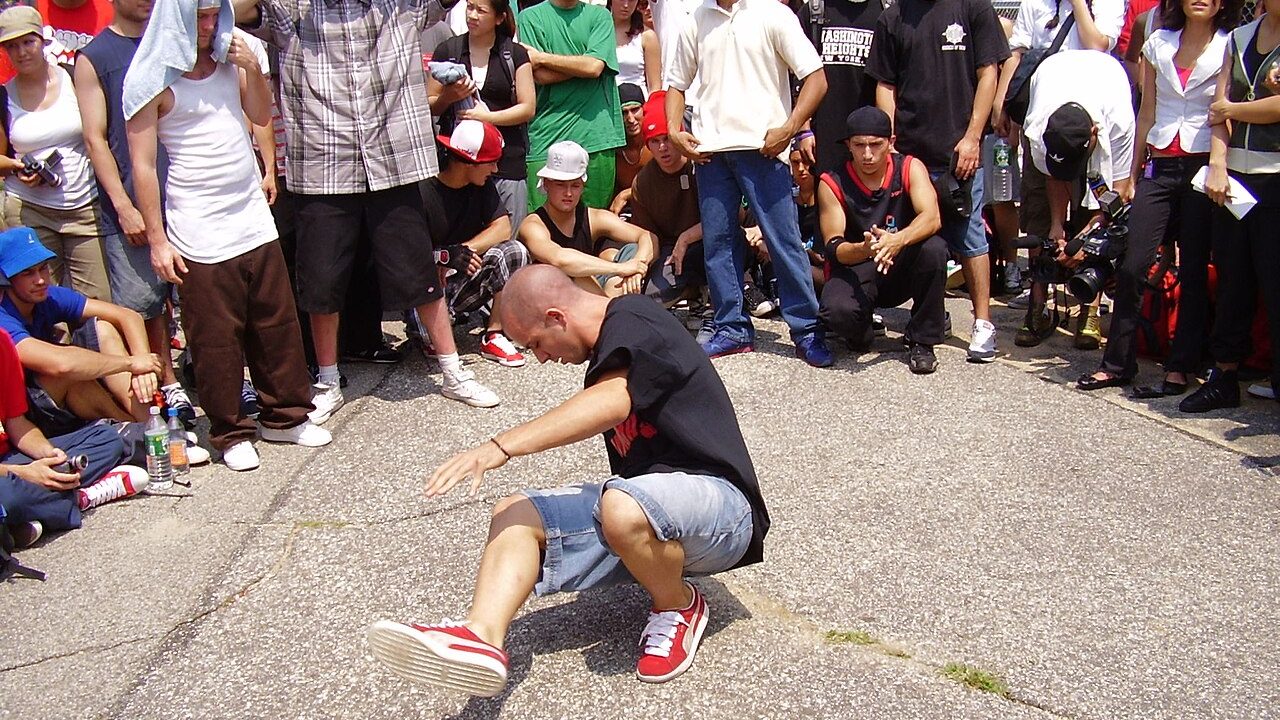
Voguing is a dance created in the ballroom scene of New York, especially Harlem, by Black and Latino gay and transgender communities. At the balls, competitors walked and battled in categories, and voguing grew from poses borrowed from fashion magazines into a full dance of hand movements, sharp lines, floor work and dramatic drops. In 1990, the documentary Paris Is Burning and Madonna's song "Vogue" carried it to a mass audience. Today voguing is danced worldwide, and its influence runs through heels and commercial choreography.
The balls
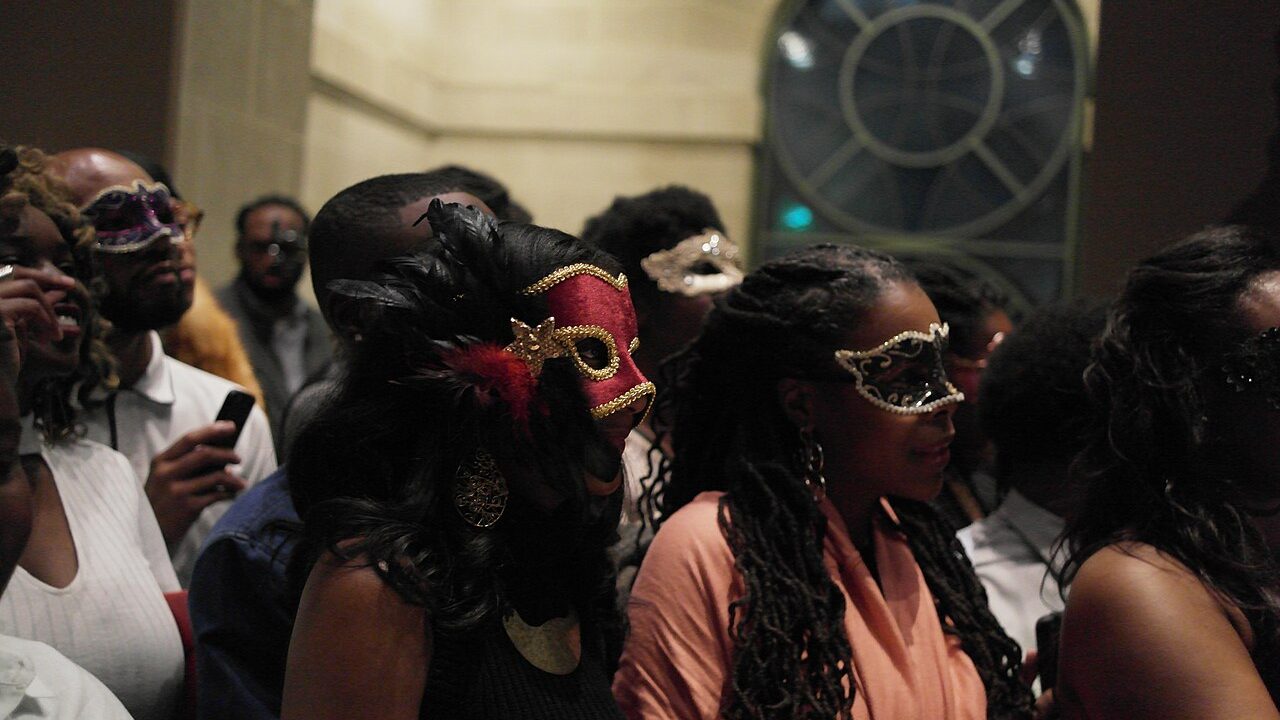
Ballroom is older than voguing. OutHistory traces drag balls in Harlem back to the nineteenth century, when the Hamilton Lodge hosted its first masquerade in 1869. In the second half of the twentieth century, Black and Latino queer New Yorkers built a ball culture of their own.
At a ball, participants "walk" in categories, from runway to "realness", and judges decide who wins. Many belong to houses, chosen families led by a "mother" or "father", which compete as teams. For young people rejected by their families, as Mixmag's history notes, houses gave support that the city often did not.
From poses to a dance
Voguing began as a way to compete and "throw shade" with the body, using the frozen, angular poses of models in magazines such as Vogue. Over time it became a structured dance. Its main styles are usually described as:
- Old way, built on poses, lines and symmetry
- New way, faster and more acrobatic, with arm control and contortion
- Vogue femme, fluid and exaggerated, built on hands, catwalk, duckwalk, spins and dips, often called death drops
Willi Ninja
The best-known voguer is Willi Ninja, born William Roscoe Leake in 1961. He began voguing at the Christopher Street Pier and in Washington Square Park, popular meeting places for queer youth, and made his name at the Harlem balls. In 1982 he founded the House of Ninja.
He did not invent voguing, but he did more than anyone to take it outside the balls. He starred in and sang on Malcolm McLaren's 1989 song "Deep in Vogue", appeared prominently in Paris Is Burning, and worked as a choreographer and runway coach for models. The Boston Globe and others call him the "grandfather of vogue". He died in 2006.
1990
Two releases in 1990 changed everything. Madonna's "Vogue" turned the word into a global hit. Jennie Livingston's Paris Is Burning showed the ball culture itself, with Willi Ninja, Pepper LaBeija, Dorian Corey and Venus Xtravaganza, and remains its most famous portrait, though it has also been criticised for an outsider's gaze on the community.
Voguing today
Ballroom never went away. New generations of houses in New York and ball scenes in many cities outside the United States keep it alive, with balls organised by the community itself.
For many dancers, voguing is also the bridge to heels dance, which borrows its walk, its arms and its attitude. When you learn either one, it is worth remembering who created these movements and why.
FAQ
Where did voguing originate?
In the ballroom scene of New York, especially Harlem, created by Black and Latino gay and transgender communities in the second half of the twentieth century.
Who is the 'grandfather of vogue'?
Willi Ninja (1961-2006), founder of the House of Ninja, who did not invent voguing but did more than anyone to take it around the world.
Did Madonna invent voguing?
No. Her 1990 song 'Vogue' brought it to a mass audience, but voguing existed in the ballroom scene for years before.
Sources
- OutHistory, Ana Herrera, "Willi Ninja: Voguing Butch Queen"
- The Boston Globe, "Remembering Willi Ninja", 25 August 2016
- Mixmag, Mark Lindores, "Voguing: A brief history of the ballroom", April 2021