The most common dance injuries affect the ankle, the knee, the foot and the lower back. Studies of ballet students, folk dancers and patients in emergency departments keep pointing to the same areas. An ankle sprain is often the most frequent sudden injury, but most dance injuries come from overuse: the same strain repeated week after week. The good news is that many of them can be reduced with simple habits: warming up, strengthening the feet and hips, training both sides, building up gradually, and listening to pain.
This article is general information, not medical advice. If you are injured, see a doctor or a physiotherapist.
What the research shows
Dance injury research covers many styles and levels, and the figures vary. But a few patterns are consistent.
Lower limbs first
At the Royal Swedish Ballet School, a study of young dancers published in 2011 found that 76 per cent of injuries were in the lower limbs. Most injuries came from overuse. The most common sudden injury was an ankle sprain.
In the United States, a study published in Sports Health in 2021 looked at patients who went to emergency departments with dance-related injuries between 2014 and 2018. The most injured areas were the knee (22.5 per cent), the ankle (15.7 per cent) and the foot (10.2 per cent). The most frequent specific injuries were ankle sprains or strains (12.7 per cent) and knee sprains or strains (10.4 per cent). Most patients were treated and sent home the same day.
The lower back
A study of Hungarian folk dancers found that in the previous year the ankle, knee and lower back were the areas most affected by injury and pain. A physical therapist at the University of Utah's dance clinic also lists the lower back among the three most common problems she sees, alongside the ankle and the knee.
What this means for social and street dancers
Most studies focus on ballet, contemporary and folk dancers, often young students. Research on salsa, bachata, kizomba, hip-hop or afro dancers is much thinner. But the body parts involved are the same, and so are many of the risks: repetition, turns, jumps, high heels, hard floors and long hours on the dance floor.
The most common problems, and why they happen
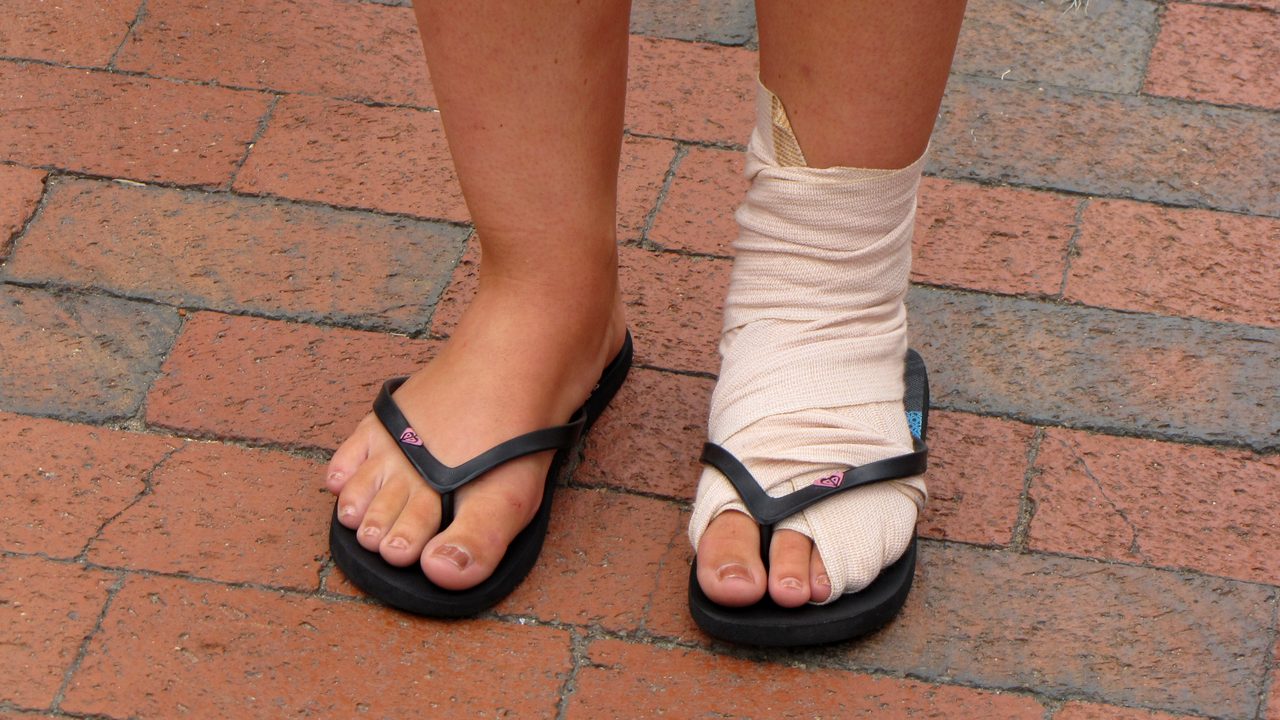
Ankle sprains and strains
A sprain happens when the ankle twists or rolls. In dance, it can come from landing badly, turning on a sticky floor, or losing balance in heels. The University of Utah's physical therapist links many ankle problems to an ankle that is "dropped or pronated", rolling inwards, with weak arches.
Knee pain
Knee problems in dancers are often pain around the knee rather than torn ligaments. According to the same source, the knee often "falls in" because of dropped arches or weak hip muscles. The knee is frequently where a problem shows, not where it starts.
Foot problems
Feet carry everything. Overuse, unsuitable shoes, long hours in heels and hard floors can all lead to foot pain, tendon problems and, in more serious cases, stress fractures. Are heels bad for dancers' feet?
Lower back pain
Repeated arching, twisting and dancing more often on one side can load the lower back. The Utah therapist notes that choreography often favours a dancer's strong side.
Neck strain
In styles with head movement, such as Brazilian zouk, or with headspins in breaking, the neck needs specific technique and strength. How to dance Brazilian zouk safely
Falls and collisions
On crowded social dance floors, collisions, heels on feet and dips gone wrong are part of the risk. Good floorcraft reduces it. Floorcraft
How to reduce the risk
Warm up
Arriving and going straight into fast turns or dips is asking for trouble. Spend a few minutes moving the ankles, knees, hips, spine and shoulders before you dance.
Strengthen the feet, ankles and hips
The University of Utah therapist recommends exercises to lift the arches and strengthen the hip muscles that keep the knees aligned. A physiotherapist or a qualified coach can give you a routine suited to your body.
Train both sides
Practise turns, figures and choreography on both sides. It balances the load on your back and hips.
Build up gradually
Sudden jumps in training time, like a festival weekend after weeks of no dancing, increase the strain. Increase your hours slowly.
Wear the right shoes
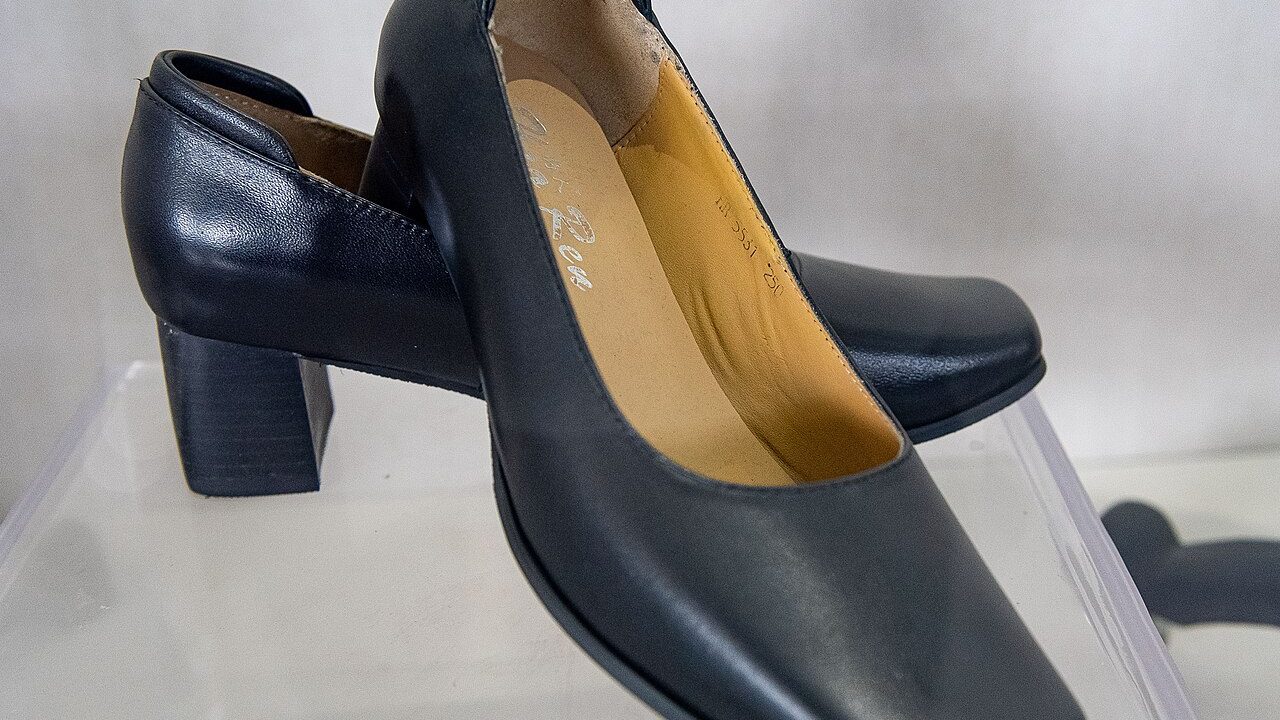
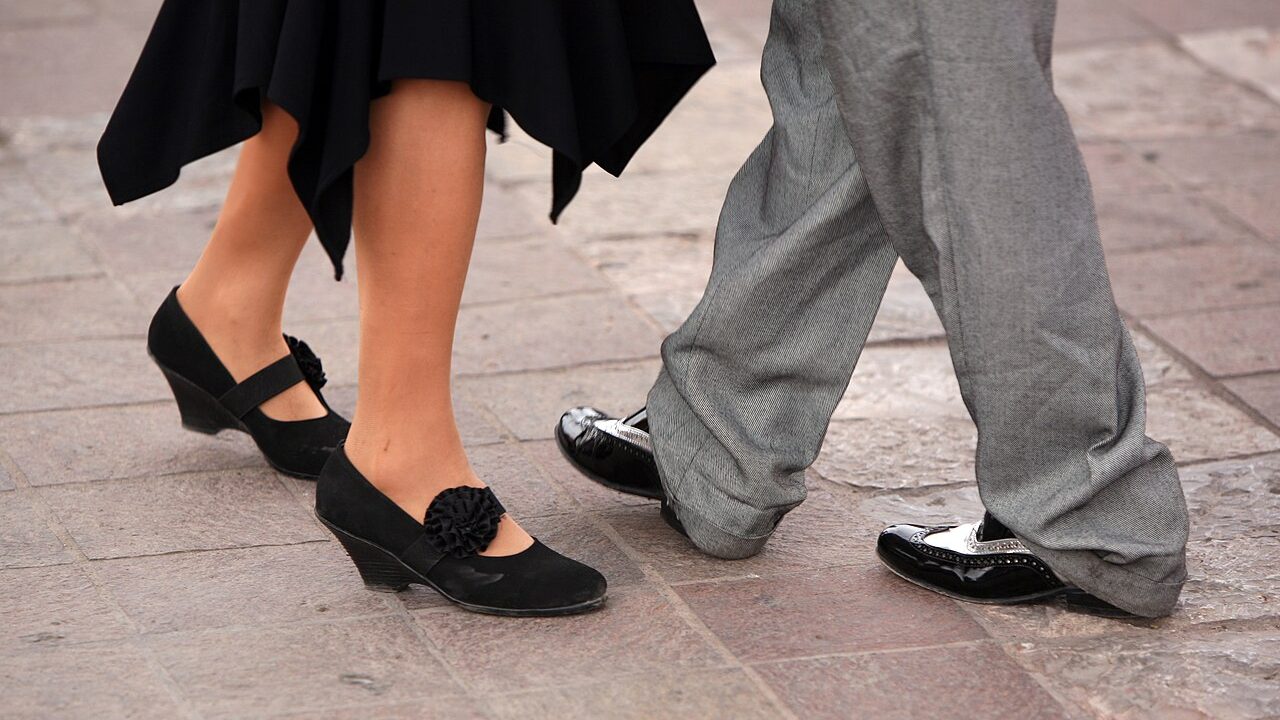
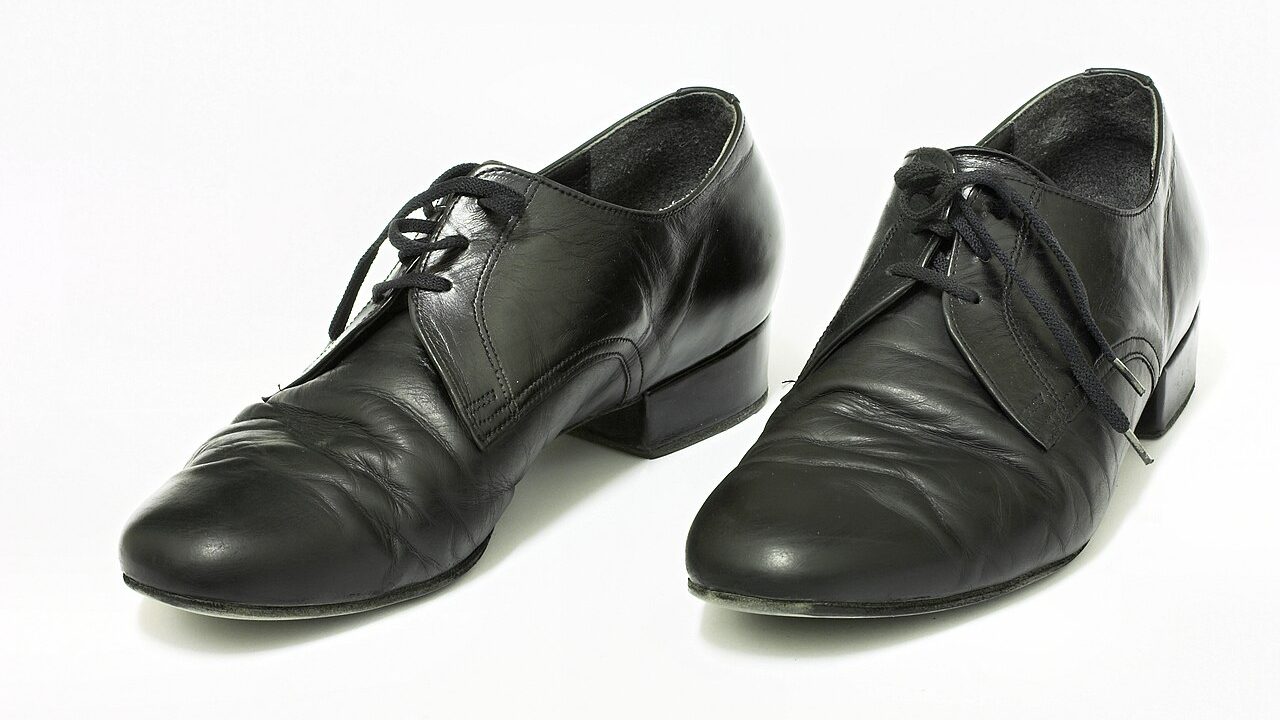
Dance shoes with the right sole for the floor help you turn without twisting your knees. Dance shoes for social dancing
Rest and recover
Sleep, food and rest days are part of training. Many overuse injuries start when the body does not have time to recover.
Listen to pain
Pain is information. Dancing through sharp pain, swelling or pain that gets worse is how small problems become long ones.
When to see a professional
See a doctor or a physiotherapist if:
- the pain is sharp, or you heard or felt a pop;
- there is swelling or bruising;
- you cannot walk or put weight on the joint normally;
- the pain does not improve after a few days;
- the same pain keeps coming back.
If you can, choose a professional who works with dancers or athletes. They understand what your body needs to get back on the floor.
Frequently asked questions
What is the most common dance injury? Ankle, knee, foot and lower back problems, with ankle sprains often the most common sudden injury.
Are most dance injuries accidents? No. Many studies find that most come from overuse.
How can dancers prevent injuries? Warm up, strengthen the feet and hips, train both sides, build up gradually and rest.
When should a dancer see a doctor? For sharp pain, swelling, pain that stops you moving normally or pain that does not improve.
FAQ
What is the most common dance injury?
Studies across different styles regularly find the ankle, knee, foot and lower back among the most injured areas. An ankle sprain is often the most common sudden injury, while many other problems build up gradually through overuse.
Are most dance injuries accidents?
No. Several studies find that most dance injuries come from overuse: repeated strain on the same joints and tissues over time, rather than a single fall or twist.
How can dancers prevent injuries?
Warm up, build strength in the feet, ankles and hips, practise movements on both sides, increase training gradually, wear suitable shoes and rest when something hurts.
When should a dancer see a doctor?
If pain is sharp, does not improve after a few days, comes with swelling, or stops you walking or dancing normally, see a doctor or a physiotherapist, ideally one who works with dancers.
Sources
- Sports Health (2021), "Epidemiology of Patients with Dance-Related Injuries Presenting to Emergency Departments in the United States, 2014-2018"
- Knee Surgery, Sports Traumatology, Arthroscopy (2011), "Musculoskeletal injuries in young ballet dancers" (Royal Swedish Ballet School)
- University of Utah Health, "Three Most Common Dance Injuries and How to Prevent Them" (September 2024), with physical therapist Trina Bellendir
- Tánc és Nevelés, study on injuries and lower-back pain in Hungarian folk dancers