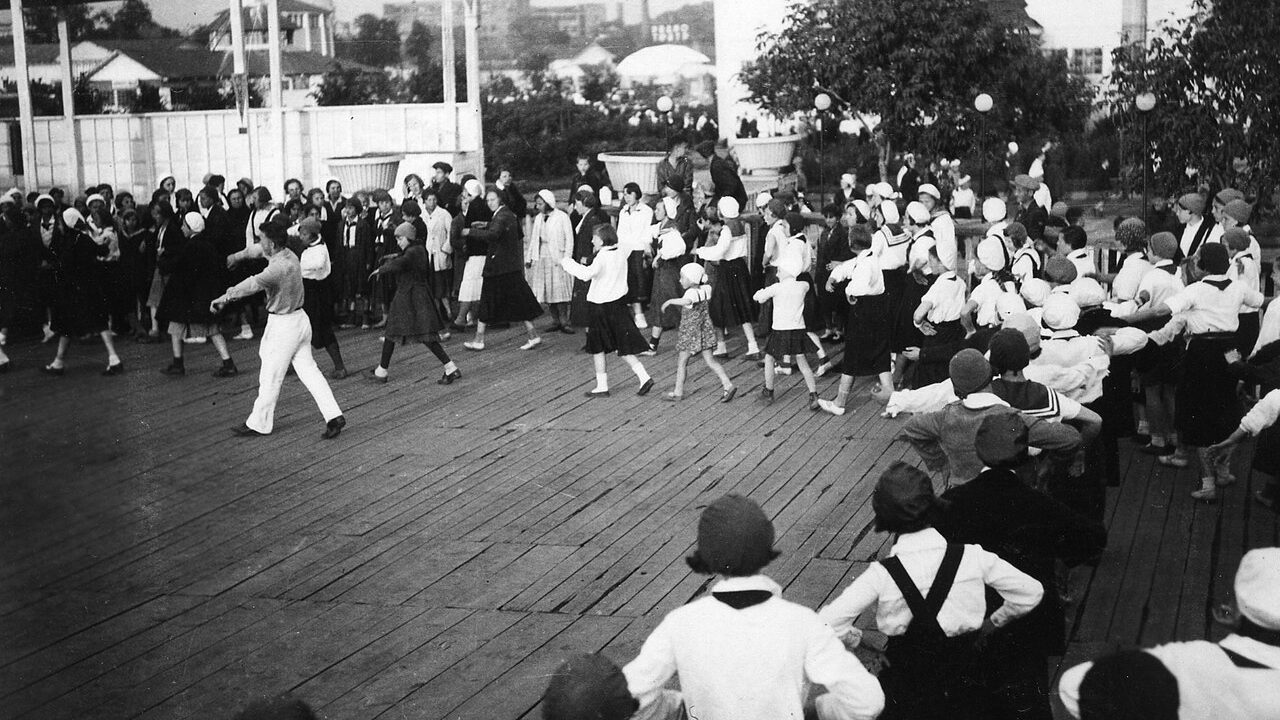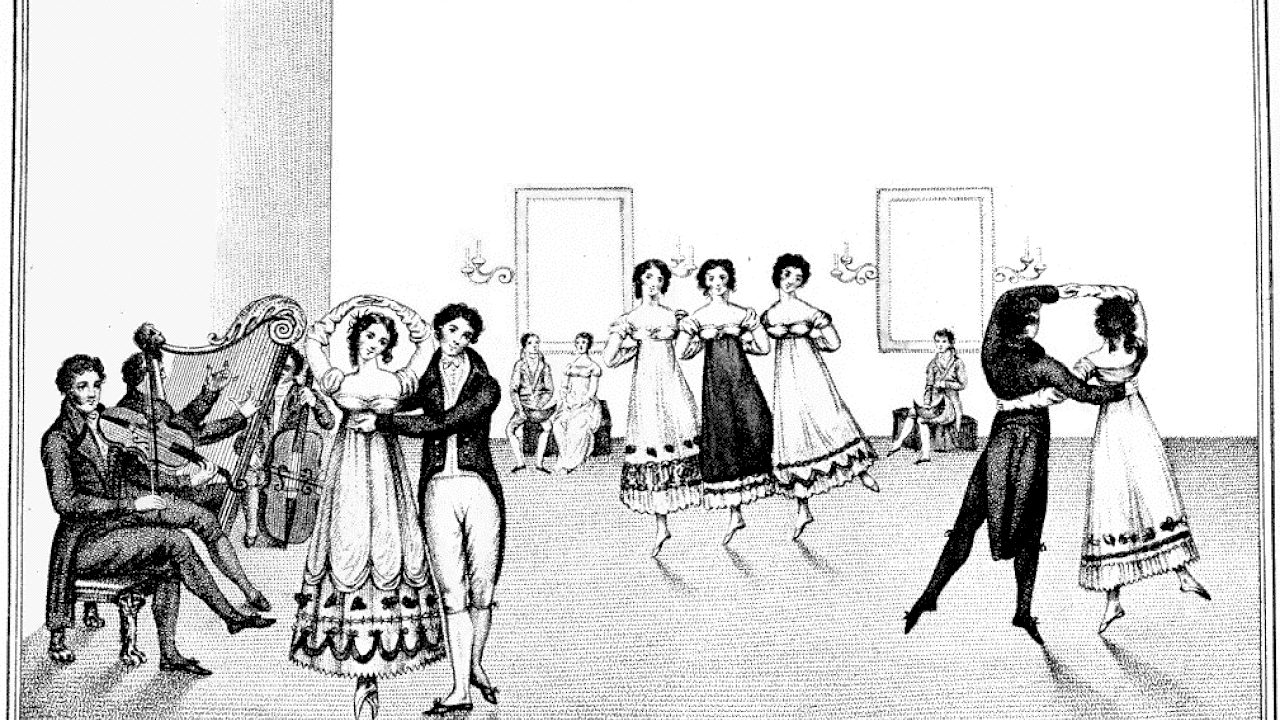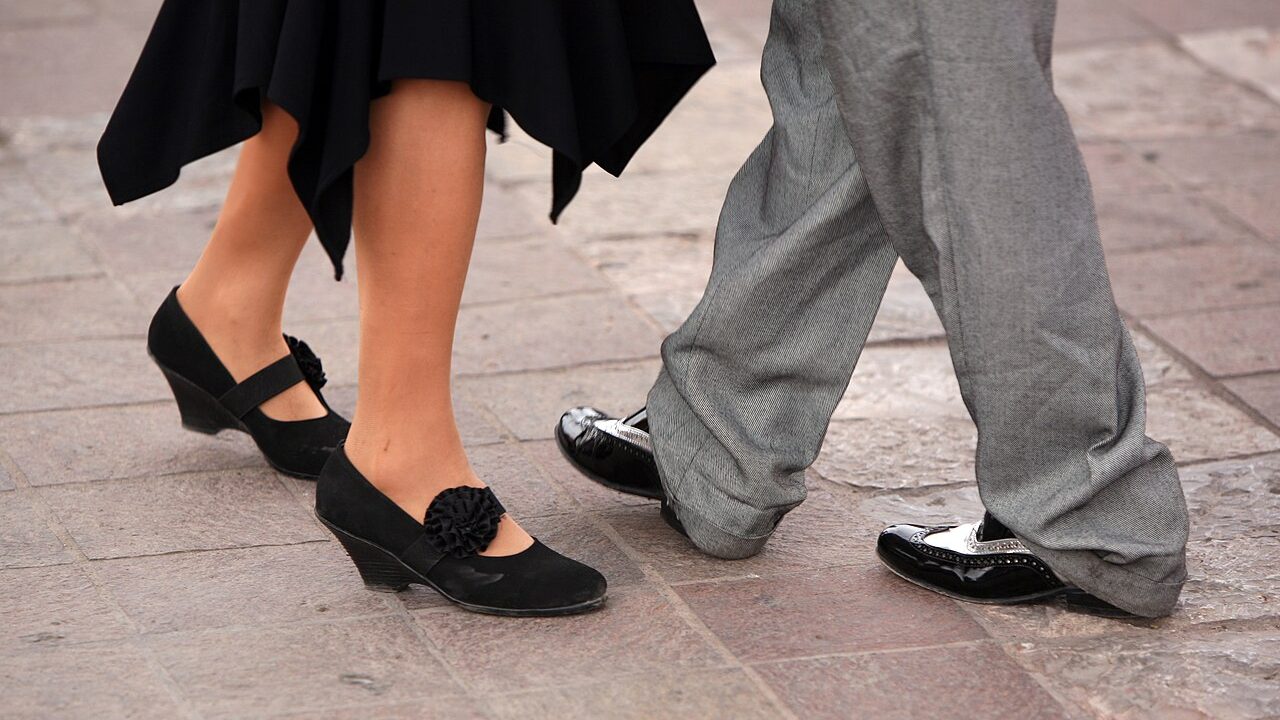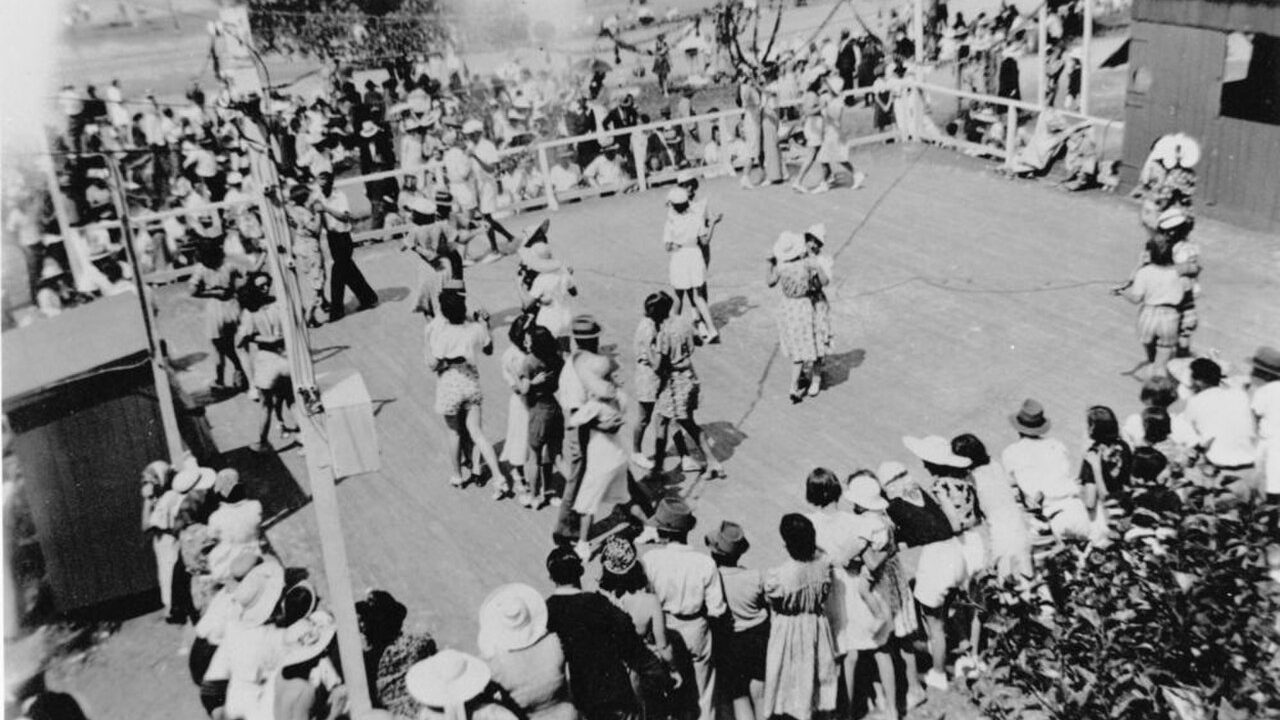
Floorcraft is the skill of dancing safely on a busy floor: knowing where the other couples are, choosing moves that fit the space, protecting your partner and recovering gracefully when a bump happens. It is the least glamorous part of social dancing and one of the most important. A beautiful dip is worth nothing if your partner's head ends up in someone else's elbow. Both partners share the job: the leader usually steers, but both watch each other's back, and the follower warns of dangers the leader cannot see. Here is how it works at salsa, bachata and kizomba socials.
Why it matters
Social floors are crowded, dark and loud, and many dancers are moving fast with their eyes on their partner. Collisions can mean bruised toes, but also elbows to the face, heels on feet and falls. Floor etiquette guides say both partners are responsible for their conduct on the floor and must avoid collisions. The best dancers at any social are often not the flashiest, but the ones nobody ever bumps into.
Know how the floor works
Different dances use space differently.
Travelling dances, such as ballroom waltz or tango, move around the room in a circle. In those settings, floor etiquette guides describe lanes: the outer ring is the fast lane, slower dances or dances that start and stop take the inner lane, and the centre is for spot dances that take up little room.
Most SBK dances are spot dances. Salsa on 1 and on 2 is danced in a slot, a narrow line where the follower travels back and forth. Bachata and kizomba stay mostly on the spot. That makes crowded floors workable, but only if each couple respects its own small piece of space.
Leaders: steering the couple
- Look before you lead. Before sending your partner down the slot or into a turn, check that the space is free.
- Look over your partner's shoulder. In closed position, guides recommend looking over your partner's right shoulder to survey the floor.
- Keep your slot short on a crowded floor. A long cross-body lead is a collision waiting to happen.
- Adapt the figures. Save big travelling patterns and wide arm styling for an empty floor.
- Protect your follower. If a couple comes too close, shorten the move, stop or bring your follower in.
- Dips only with space and consent. Never dip blindly, and never assume consent for a dip or close embrace with a new partner.
Followers: the second pair of eyes
Following does not mean switching off. Followers often see what is happening behind the leader, and avoiding a collision is one of the moments when a follower may need to backlead, or at least communicate danger. Common signals in travelling dances are a sudden resistance or a light tap on the shoulder. In open-position dances such as salsa, eye contact is an important safety link.
- Keep your steps small on a busy floor.
- Watch your arms and spins. Styling that sweeps out to the side can hit someone.
- Watch your heels. Kicks, flicks and backward steps should stay close to the body.
- Signal early. A squeeze of the hand or a firm frame tells the leader to stop.
Moves that cause most collisions
- Long cross-body leads and travelling walks in salsa.
- Big arm styling and hair flicks.
- Kicks and flicks of the feet, especially in heels.
- Dips and drops, which put the follower's head outside the couple's space.
- Lifts and aerials, which have no place on a social floor and are generally considered unsafe.
When a bump happens
It happens to everyone. When it does:
- Stop for a second. Check your partner and the other couple.
- Apologise, even if it was not your fault. A smile and "Sorry!" go a long way.
- Adjust. Make your dancing smaller, move away, or stay in the basic for a while.
- If someone is hurt, stop the dance and help, then let the organisers know if needed.
Choosing where to dance
- Avoid the edges near tables, bars and pillars, where people walk with drinks.
- Leave the doors and walkways clear.
- If you want to practise big moves, find a quiet corner or wait for a less crowded song.
- Notice the regulars. Some dancers always travel far; give them space.
Floorcraft and good dancing
Floorcraft is not a limit on your dancing; it is part of it. Learning to dance well in a small space makes you a better leader and follower: clearer signals, tighter turns, more musical small movements. A crowded floor forces you to find creativity in less space, which is a skill in itself.
Frequently asked questions
What is floorcraft in dancing? The skill of moving safely on a social floor, aware of other couples and choosing moves that fit the space.
Who is responsible for avoiding collisions? Both partners. The leader steers, but both watch each other's back.
What should I do if I bump into another couple? Stop, check everyone is fine, apologise and adapt.
Are dips and lifts allowed on a social dance floor? Dips only with consent and space; lifts and aerials are generally considered unsafe.
FAQ
What is floorcraft in dancing?
The skill of navigating a social dance floor safely: being aware of other couples, choosing moves that fit the space, and avoiding collisions. Both the leader and the follower share responsibility for it.
Who is responsible for avoiding collisions, the leader or the follower?
Both. The leader usually steers, but both partners watch each other's back, and the follower signals danger the leader cannot see.
What should I do if I bump into another couple?
Stop briefly, check that everyone is fine, apologise, even if it was not your fault, and adapt your dancing to the space.
Are dips and lifts allowed on a social dance floor?
Dips are common but should only be done with your partner's consent and when there is space. Lifts and aerials are generally considered unsafe on a social floor.
Sources
- Wikipedia, "Dance etiquette" (floor etiquette and the Stanford Viennese Ball's practices) and "Lead and follow" (obstruction avoidance)