Reggae and dancehall are both Jamaican, and they are close relatives, but they are not the same thing. Reggae came first: it emerged in Jamaica in the late 1960s and was named by the 1968 single "Do the Reggay" by Toots and the Maytals. Dancehall grew out of reggae in the late 1970s, in the sound system dances of Kingston's inner city. It was sparser, more local and rawer, and in the 1980s it went digital. In simple terms: roots reggae is slower, band-based and often spiritual or political, while dancehall is built for the dance floor, on shared riddims, with deejays chanting over the beat.
Reggae: the music that went global
Reggae developed from earlier Jamaican genres, mento, ska and rocksteady, and draws on traditional drumming styles such as Kumina, Nyabinghi and burru, along with American rhythm and blues and jazz. The first true reggae records came out in 1968, the year "Do the Reggay" put the word into print.
Musically, reggae is slower than ska or rocksteady. The drums and bass lean on the downbeat, the guitar or piano plays short, staccato chords on the offbeat, and the bass is central, thick and heavy. The singers use Jamaican Patois, Jamaican English or Iyaric, the language of Rastafari.
Reggae is closely tied to Rastafari, the Afrocentric religion that emerged in Jamaica in the 1930s. In the 1970s, roots reggae, the style of Bob Marley and many others, carried messages about social injustice, repatriation to Africa and faith around the world. It aimed at international recognition, and it got it. In November 2018, UNESCO added "reggae music of Jamaica" to its list of the intangible cultural heritage of humanity.
Dancehall: the music of the sound systems
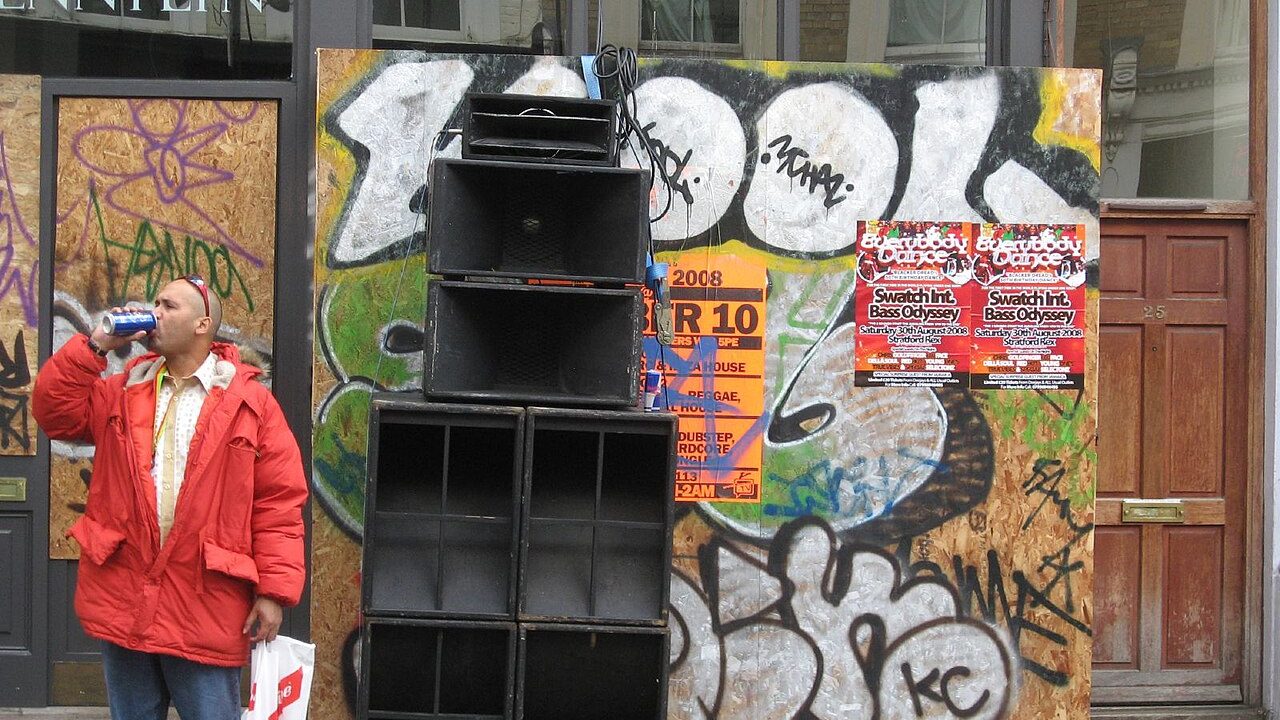
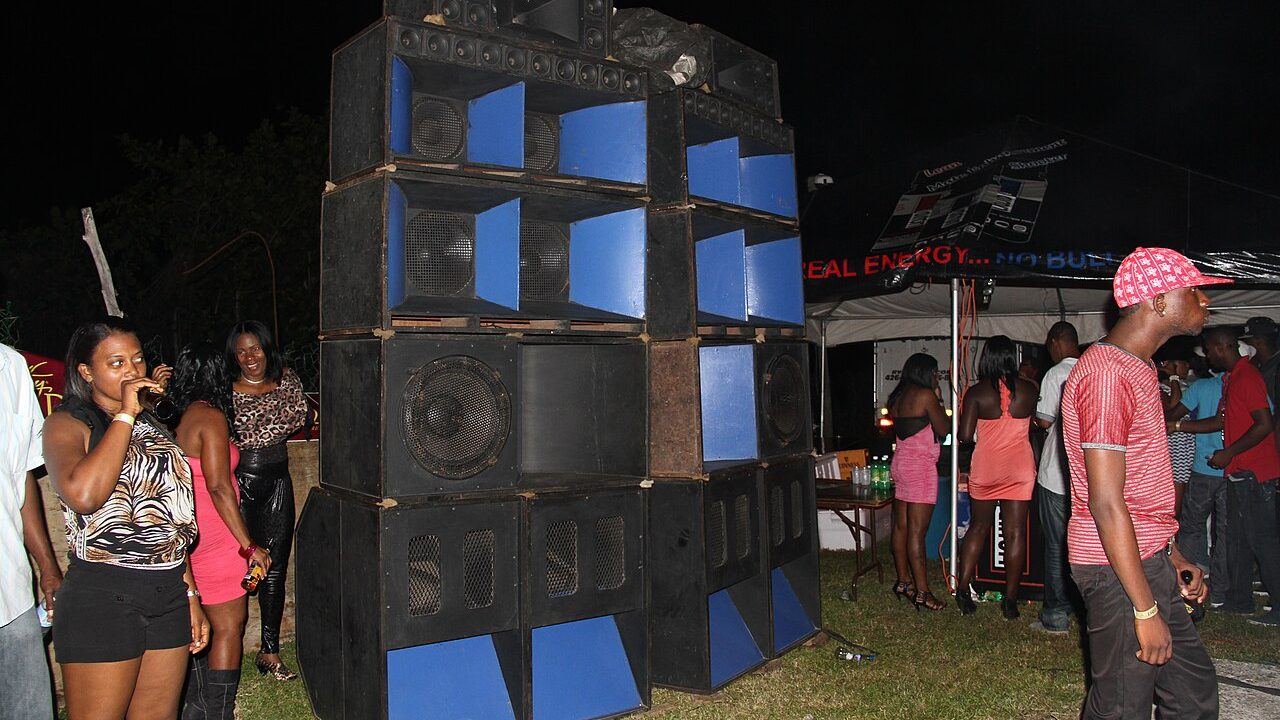
Dancehall is named after the dance halls of Kingston, the open-air venues where local sound systems played records for the crowd. It began in the late 1970s among working-class people from the inner city who could not take part in the uptown dances.
The period was turbulent. Jamaica went through violent political rivalry at the end of the 1970s, and the change of government from Michael Manley to Edward Seaga in 1980 came with a shift in the music, away from internationally oriented roots reggae and towards something made for local audiences. The themes changed too. Social justice, repatriation and Rastafari gave way to lyrics about dancing, sex, violence and everyday life, delivered in a provocative and often explicit way. Radio, conservative at the time, would not play much of it, so dancehall spread through live sound system sessions and record shops.
At first, dancehall was a sparser version of reggae. Deejays toasted, chanting or rapping over the instrumental "dub" sides of older reggae records from the 1960s and 1970s. A new generation of deejays took over, including Yellowman, General Echo, Josey Wales and Charlie Chaplin, and Yellowman became the first Jamaican deejay signed to a major American label. Women such as Sister Nancy, Lady G and later Lady Saw also made their names as deejays. The genre itself was only officially named in the 1980s.
The digital turn
The biggest change came in the mid-1980s. Digital instruments and drum machines replaced live bands in many studios, and the music got faster. That digital dancehall is also called ragga. The Sleng Teng riddim, produced at King Jammy's studio in 1985, is usually described as the first fully digital riddim, although some accounts give that title to an earlier computer rhythm called "Tempo". More on riddims.
From then on, the two genres sounded clearly different. Reggae bands kept playing live, while dancehall producers built riddims, instrumentals that dozens of artists voice their own songs over. That shared-riddim system remains one of the clearest signs that you are listening to dancehall.
How to hear the difference
| Roots reggae | Dancehall | |
|---|---|---|
| Born | Late 1960s | Late 1970s, named in the 1980s |
| Tempo | Slower, laid-back | Usually faster, especially since the digital era |
| Sound | Live band, offbeat guitar chop, heavy bass | Sparse at first, then digital riddims and drum machines |
| Vocals | Mostly sung | Often deejayed, chanted or toasted, as well as sung |
| Themes | Social justice, Rastafari, love, faith | Dancing, parties, sex, street life, rivalry |
| Where it lived | Radio and international stages | Sound systems, street dances, clashes |
| How songs work | One song, one backing track | Many songs voiced on the same riddim |
These are tendencies, not rules. Many artists move between both styles, and there are slow, conscious dancehall songs as well as reggae songs about parties.
The dances
The two genres also move people differently. Reggae is usually danced loosely and socially, with a relaxed bounce on the offbeat.
Dancehall has a whole dance culture of its own. From the 1980s onwards, Kingston dancers created named steps that spread with the songs: dancers such as Bogle and Ding Dong became famous for inventing moves, and parties such as Passa Passa turned street dances into a global reference. Dancehall dance today is taught worldwide, with separate men's and female styles. More on dancehall music.
Sound systems and clashes
Both genres grew from Jamaica's sound system culture, but dancehall kept it at its centre. Rival sound systems competed in sound clashes, competing head to head for the approval of a live crowd. Recordings of those clashes circulated on underground cassettes. What is a sound clash?
Where they went next
Reggae spread everywhere: to the United Kingdom, where Caribbean music has been popular since the late 1960s, to Africa, and to Latin America, where Panama played an early role in Spanish-language reggae. Dancehall followed a similar path through the Jamaican diaspora in the 1990s, broke into the worldwide mainstream in the 2000s and, by the 2010s, was heavily influencing Western pop producers.
Where to start listening
- Roots reggae: Toots and the Maytals, Bob Marley and the Wailers, Burning Spear.
- Early dancehall: Yellowman, Sister Nancy, Barrington Levy.
- Digital dancehall: the Sleng Teng riddim and the many songs voiced on it.
Frequently asked questions
Is dancehall a type of reggae? It grew out of reggae and is often treated as part of the same family, but it has been its own genre since the 1980s.
Which came first, reggae or dancehall? Reggae, in the late 1960s. Dancehall began in the late 1970s.
What is the main difference between dancehall and reggae? Roots reggae is slower, band-based and often spiritual or political; dancehall is faster, riddim-based and made for the dance floor.
Is reggae UNESCO heritage? Yes, since November 2018.
FAQ
Is dancehall a type of reggae?
It grew out of reggae and many people still treat it as part of the wider reggae family. But since the 1980s it has been its own genre, with digital riddims, deejays chanting over the beat and its own dances.
Which came first, reggae or dancehall?
Reggae. It emerged in Jamaica in the late 1960s, and the 1968 single 'Do the Reggay' by Toots and the Maytals named it. Dancehall began in the late 1970s and was named in the 1980s.
What is the main difference between dancehall and reggae?
Roots reggae is slower, played by live bands, with lyrics often about social justice and Rastafari. Dancehall is usually faster, built on riddims that many artists share, with deejays chanting in Patois about dancing, parties, sex and street life.
Is reggae UNESCO heritage?
Yes. Reggae music of Jamaica was added to UNESCO's Representative List of the Intangible Cultural Heritage of Humanity in November 2018.
Sources
- Wikipedia, "Reggae", "Dancehall" and "Riddim"
- UNESCO, "Reggae music of Jamaica", Representative List of the Intangible Cultural Heritage of Humanity (2018)