Floorwork in heels means dancing on or close to the floor: kneeling, sitting, rolling, sliding, lying down, then rising back up, often slowly and with control. To do it safely, wear knee pads, choose stable heels that hold your ankles, warm up, breathe out as you go down, keep your core engaged, and never drop straight onto your knees. Start with simple transitions, without heels if you need to, and build strength before you try advanced moves.
Why floorwork matters in heels
Heels draws on jazz, hip-hop, vogue, burlesque and exotic dance floorwork. Going to the floor creates contrast in a routine: levels change, the energy drops and rises, and slow, controlled movements stand out. What is heels dance?
It is also where many dancers feel it the next morning: bruised knees, sore wrists, tired hips. Good technique makes the difference.
What to wear
Knee pads
Knee pads are the first piece of equipment teachers ask for. Douglas Gillespie, a contemporary dancer interviewed by Dance Teacher, calls them crucial, and asks students to wear knee pads or long trousers to avoid floor burns.
Choose thin dance knee pads that stay in place and let you bend fully. Thick sports pads can feel clumsy and get in the way.
Heels
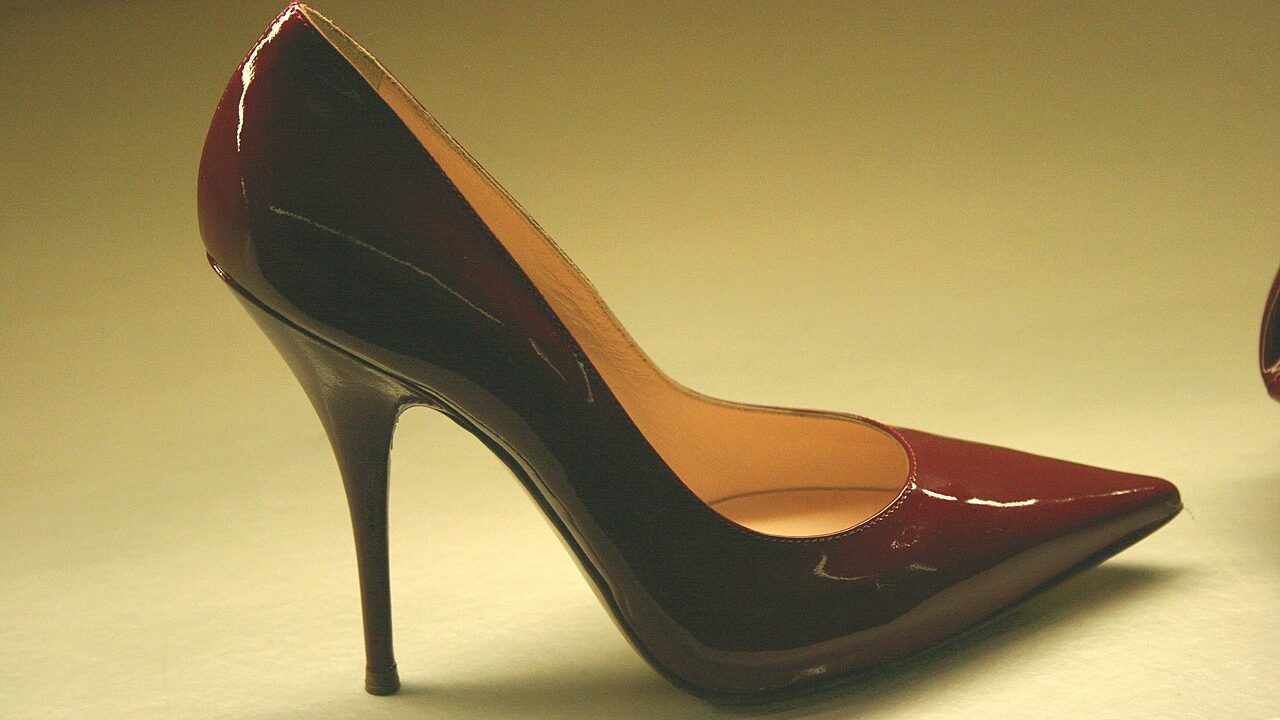
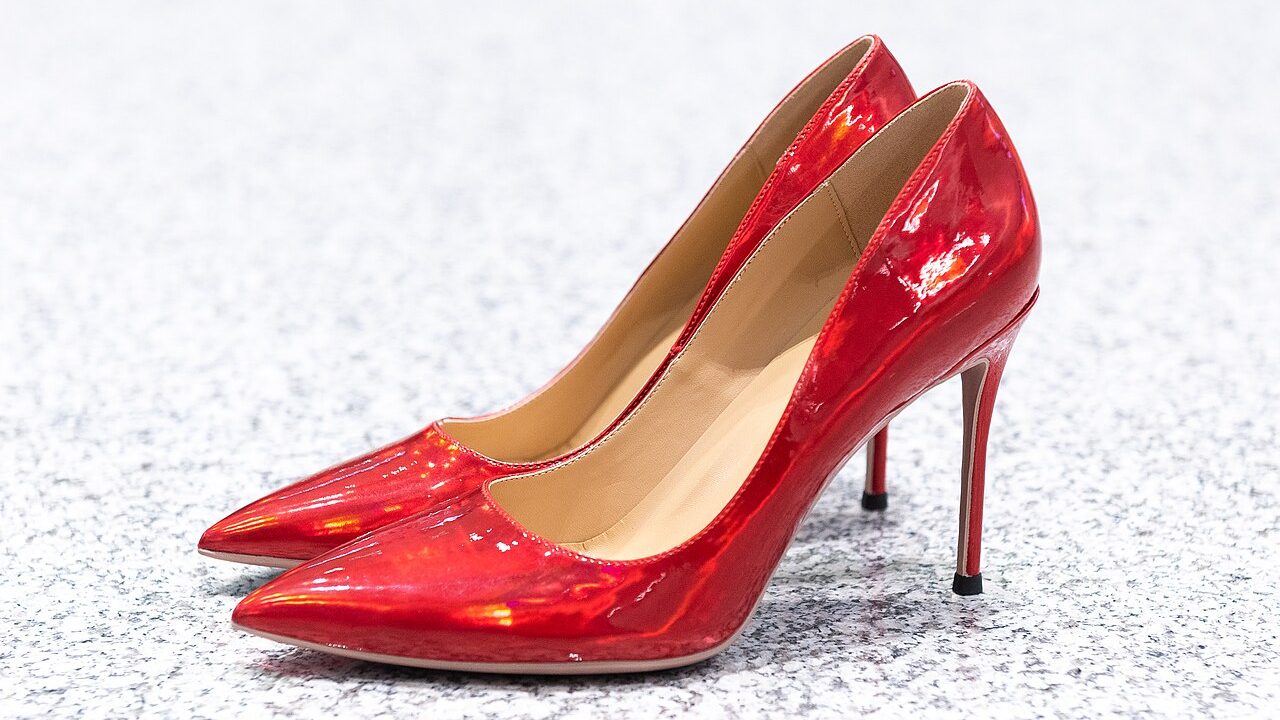
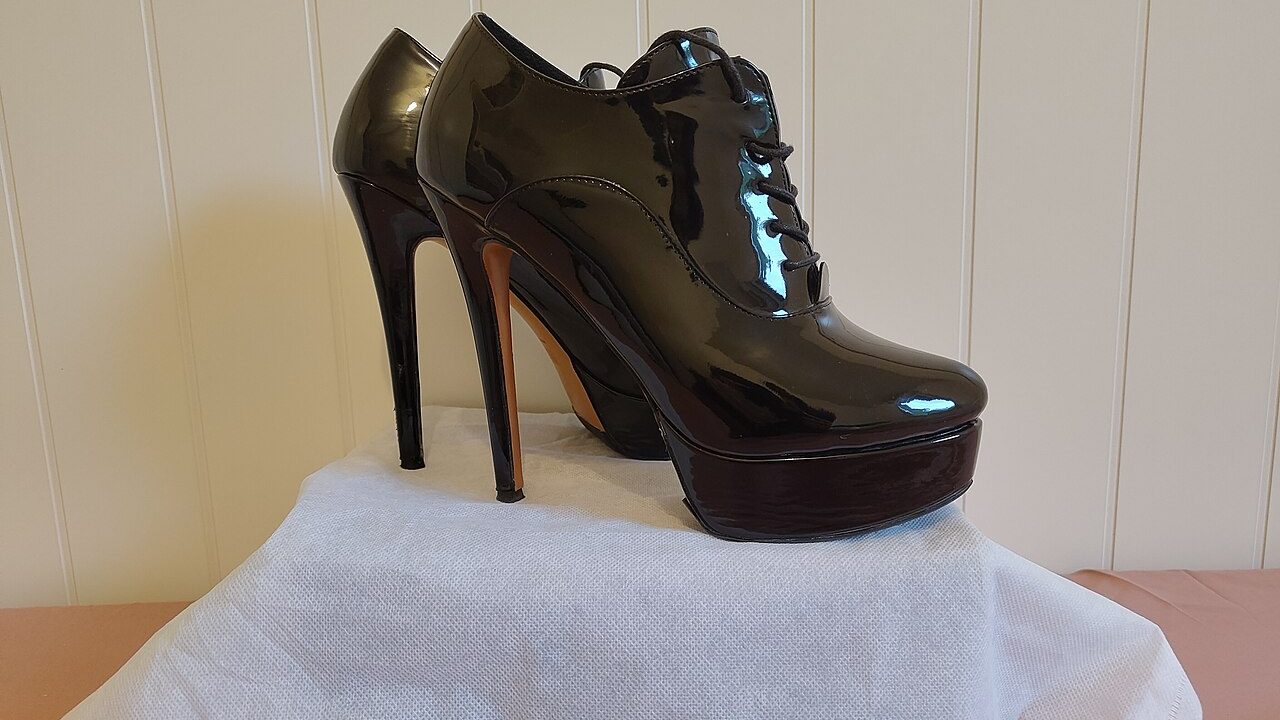
For floorwork, stability matters even more than usual:
- A strap around the ankle keeps the shoe on when your feet leave the floor and come back.
- A moderate heel is easier to manage when getting down and up.
- Check the soles: you need some slide for turns, but not so much that your feet slip when you push up.
More in our heels dance shoes guide.
Clothes
Fabric that lets you slide without sticking, and that covers what you want covered when you roll and open your legs.
Before you start: warm up
Floorwork uses the whole body: ankles, knees, hips, spine, shoulders and wrists. Warm them all up. Pay special attention to:
- Wrists, which take weight when you go down and come up.
- Hips, for splits and wide positions.
- Ankles, which work at odd angles in heels.
Technique: getting down
Breathe out
Gillespie's first tip is to use your breath: exhaling as you lower yourself relaxes the muscles and helps you avoid a hard landing. People often hold their breath when they try something new.
Engage your core
His second tip: a strong core stabilises the body, so arms and legs can move and slide freely. Without it, even strong arms help less.
Lower, do not drop
- Bend your legs and lower your centre of gravity.
- Use your hands to support your weight on the way down.
- Place your knees on the floor; do not fall onto them.
- Keep your ankles aligned in your shoes.
Technique: on the floor
- Roll through the back, not across the spine's bony points.
- Slide on padded or fleshy areas, not directly on the kneecap.
- Keep movements controlled. Slow is harder, but safer and often more beautiful.
- Do not force splits or wide positions you have not prepared.
Technique: getting up
The rise from the floor is a classic moment in heels choreography, and a strong one if it looks effortless.
- Use your legs and core, not just your arms.
- Get your feet under you before you push up.
- Rise in stages: knees, one foot, then both.
- Watch your ankles as you transfer weight onto your heels.
Common mistakes
- Dropping onto the knees to hit an accent.
- Doing floorwork without knee pads.
- Pushing up with locked wrists.
- Rushing a choreography that is meant to be slow.
- Copying advanced moves from videos without the strength to control them.
Building strength
Floorwork needs strength in the legs, core, shoulders and wrists. Between classes, simple exercises like squats, lunges, planks and hip mobility work help. A qualified coach or physiotherapist can adapt a routine to your body. Dance injuries
Progress gradually
- Learn the transitions in trainers or barefoot first, then in heels.
- Start with simple moves: kneeling, sitting, a basic roll.
- Add complexity slowly: slides, knee walks, splits, combinations.
- Stop if it hurts. Bruises are common at first; sharp pain is not normal.
If you are new to heels, start here: Heels dance for beginners.
Frequently asked questions
What is floorwork in heels dance? Movements on or close to the floor, followed by rising back up.
Do I need knee pads for floorwork? In most cases, yes.
How do I get down to the floor safely in heels? Slowly, using your legs, core and hands, breathing out as you go.
Can beginners do floorwork? Yes, step by step, and without heels at first if needed.
FAQ
What is floorwork in heels dance?
Floorwork is the part of a routine danced on or close to the floor: kneeling, sitting, rolling, sliding and lying down, then rising back up, often with slow, controlled movements and poses.
Do I need knee pads for floorwork?
Yes, in most cases. Teachers commonly recommend knee pads, or at least long trousers, to protect the knees from impact and floor burns.
How do I get down to the floor safely in heels?
Lower yourself slowly, using your legs, core and hands, and breathe out as you go down. Avoid dropping onto your knees, and keep your ankles stable in your shoes.
Can beginners do floorwork?
Yes, if the class teaches it step by step. Start with simple transitions to the floor, without heels if needed, and add difficulty as your strength grows.
Sources
- Dance Teacher, "3 Tips for Doing Floorwork With Ease" (6 December 2017), with Douglas Gillespie of the Kate Weare Company
- #DANCE, "What is heels dance?", "Heels dance shoes guide", "Are heels bad for dancers' feet?" and "Dance injuries", with their own sources
- #DANCE editorial advice, from common practice in heels and commercial dance classes