Your first heels class will probably follow a simple shape: a warm-up, some work on walking and balance in heels, a choreography learned in sections, and a filmed run at the end. You do not need dance experience. You do not even need high heels on day one: many beginners start in low, stable heels or in trainers. What matters is a supportive class, shoes that hold your feet securely, and the willingness to feel a little awkward for the first few minutes. Here is what to expect.
A quick word on heels dance
Heels dance is choreography performed in high heels, drawing on jazz, hip-hop, vogue, burlesque, floorwork and Latin dance. It grew from music videos and Los Angeles studios into one of the most popular class styles in the world, built on long lines, hip work, attitude and precise footwork. What is heels dance?
It is not a style for one kind of body or one gender. Men dance heels too, and dancers such as Yanis Marshall have become some of its best-known figures. Yanis Marshall.
Before the class
Choose the right level
Look for classes labelled beginner, foundations or open level. Choreography classes for advanced dancers move fast and can be discouraging if you are new. Some studios also run short beginner series, which are a gentle way in.
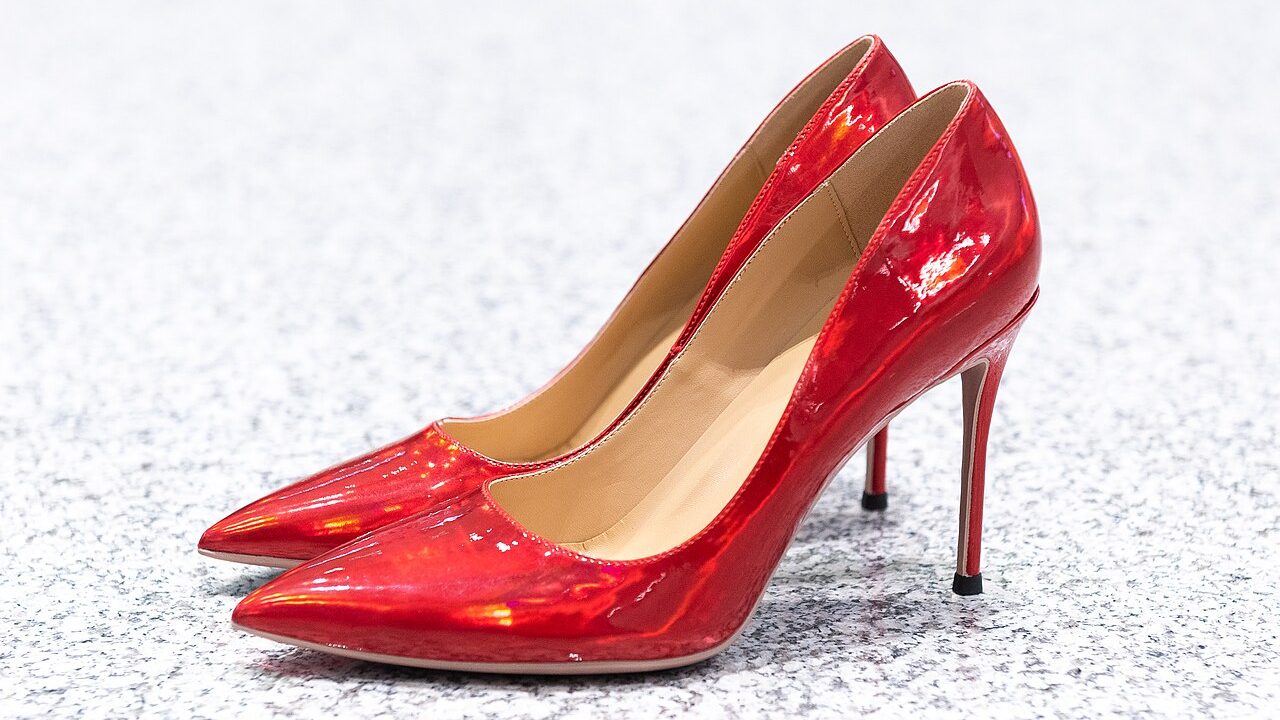
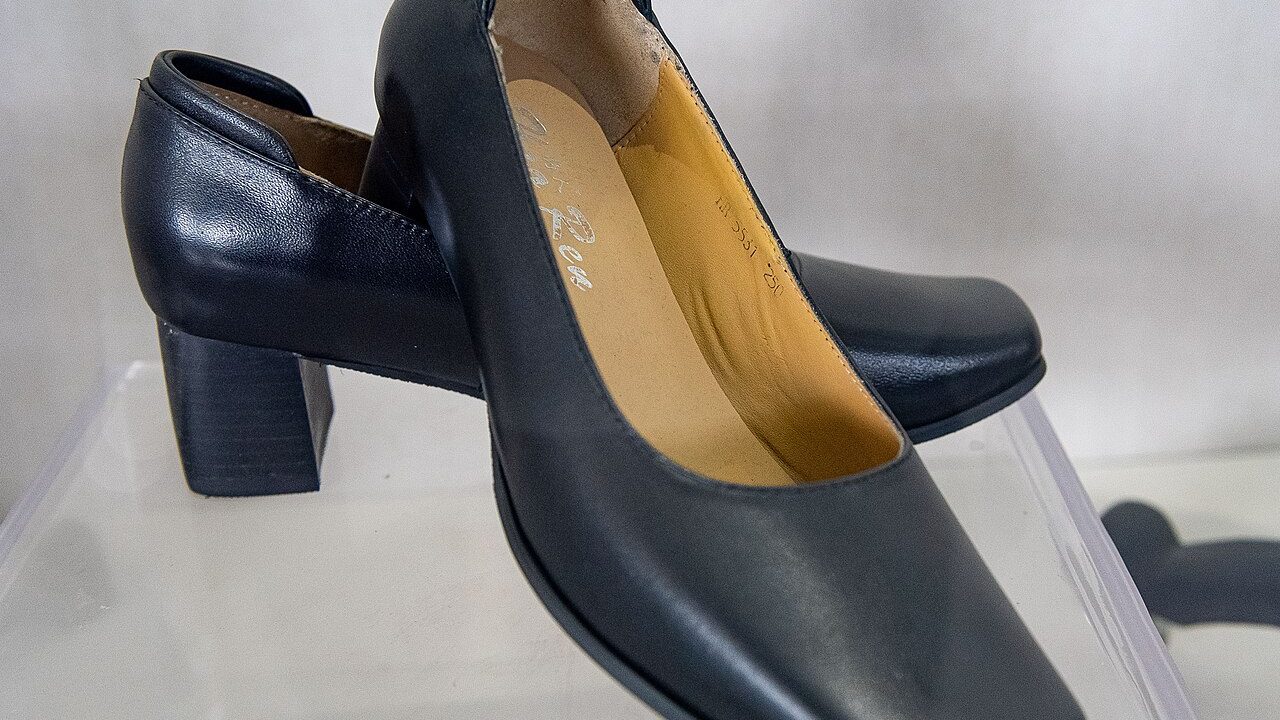
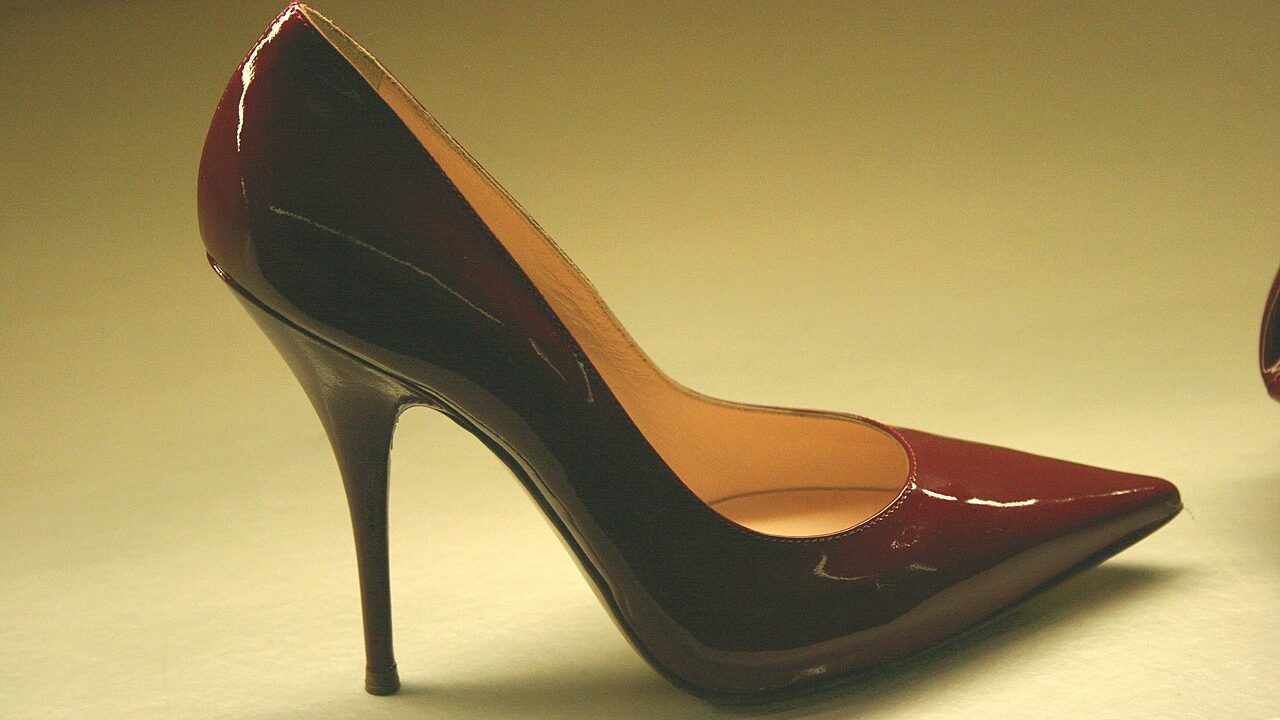
Choose your shoes
For your first classes, you want stability more than height:
- A moderate heel is easier on your ankles than a stiletto.
- An ankle strap or a boot keeps the shoe on your foot during turns.
- A smooth or suede sole helps you turn; very grippy soles stick to the floor.
- If you are not ready for heels at all, many teachers accept flat shoes or trainers for a first class.
More details in our heels dance shoes guide.
What to bring
- Comfortable clothes you can move and bend in.
- Knee pads if the class includes floorwork. Many heels classes do.
- Water and a small towel.
- A spare pair of flat shoes for the warm-up or if your feet start to hurt.
During the class
1. Warm-up
Most heels classes start with a warm-up: mobilising the ankles, knees, hips and spine, often with some strengthening for the feet and calves. Do not skip it. Heels ask more of your body than walking around in them for an evening. Are heels bad for dancers' feet?
2. Walking and balance
Many teachers spend time on walking in heels: placing the foot, keeping the weight over the ball of the foot, finding balance, and turning safely. This part can feel basic, but it is what makes everything else look good. If you feel unstable, keep your steps smaller and your knees soft.
3. The choreography
The heart of the class is a choreography, usually taught in short sections: the teacher shows a few counts, the class repeats them, then the next section is added. Expect a mix of footwork, hip and body isolations, arm lines, poses and, often, some floorwork.
Do not worry about getting every detail right. In a first class, aim to remember the order and stay on the music. Style and precision come with time.
4. Filming
Many heels classes end with the routine danced in small groups and filmed. This is part of the culture: it lets you see your progress and share your work. If you are shy, you can usually choose not to be filmed or to stand at the back. Nobody expects a perfect video from a beginner.
Staying safe
- Listen to your body. Pain in the ankles, knees or lower back is a signal to slow down or switch to flat shoes.
- Protect your knees in floorwork with pads and good technique.
- Build up gradually. Increase heel height only when you feel stable.
- Strengthen your feet and ankles between classes.
How to get the most out of it
- Stand where you can see the teacher, not hidden behind a pillar.
- Ask questions during breaks.
- Film the teacher's demonstration if allowed, to practise at home.
- Come back to the same class a few times. Repetition with the same teacher makes progress much faster.
- Enjoy the attitude. Heels is about confidence and expression. Even small movements look powerful when you commit to them.
Heels, jazz funk or something else?
If you like heels, you may also enjoy jazz funk, its close cousin in pop choreography, danced in trainers. Heels vs jazz funk. Others move towards vogue or waacking, which share some of heels' poses and attitude. What is waacking?
Frequently asked questions
Can a complete beginner take a heels class? Yes. Choose a beginner or open-level class and start in low heels or flats.
What happens in a heels class? A warm-up, walking and balance, a choreography learned in sections, and a filmed run.
What should I wear to my first heels class? Comfortable clothes, stable heels with an ankle strap or flats, and knee pads for floorwork.
Do men take heels classes? Yes. Heels is open to everyone.
FAQ
Can a complete beginner take a heels class?
Yes. Many studios run beginner or open-level heels classes. You do not need dance experience, and you can start in low heels or even trainers while you learn the basics.
What happens in a heels class?
Most classes include a warm-up, work on walking and balance in heels, then a choreography learned in sections and filmed at the end.
What should I wear to my first heels class?
Comfortable clothes you can move in, and stable heels with an ankle strap, or flat shoes if you are not ready. Knee pads help if the class includes floorwork.
Do men take heels classes?
Yes. Heels is open to everyone, and male dancers such as Yanis Marshall have become some of the style's best-known figures.
Sources
- #DANCE, "What is heels dance?", "Heels dance shoes guide", "Are heels bad for dancers' feet?" and "Yanis Marshall", with their own sources
- #DANCE editorial advice, compiled from common teaching practice in heels classes