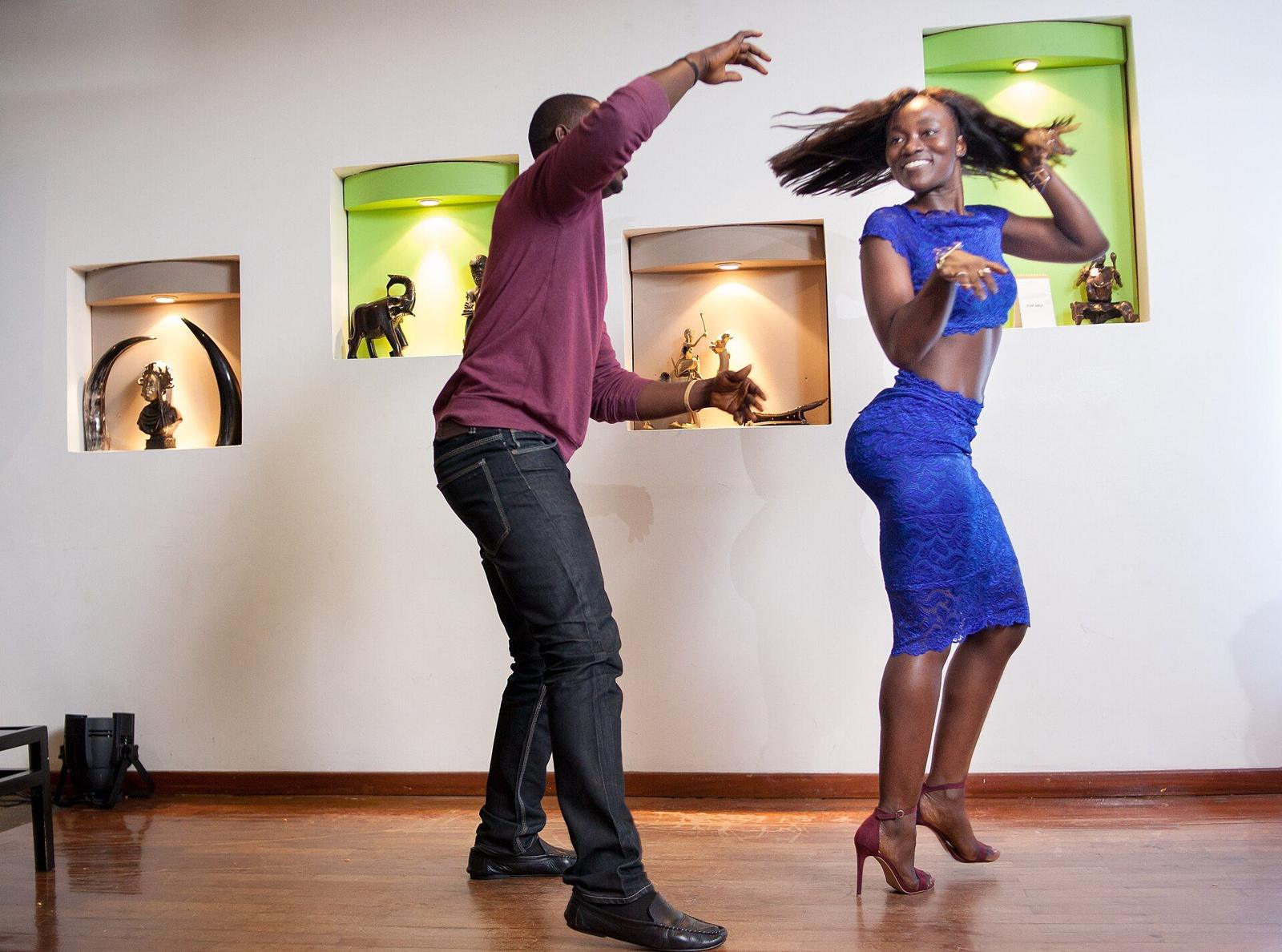
Kizomba is danced in a close embrace, with the partners' upper bodies in contact and the connection carried through the chest and the arm frame. The leader walks, pauses and changes weight; the follower responds. To start, you need three things: a comfortable embrace, clean weight changes on the beat, and the patience to walk slowly. The steps are simple; the art is in the details, the pauses and the way the couple fills the space between beats. There is no single universal basic step: schools count and name the foundations differently. This guide gives you the common starting points.
A word about kizomba
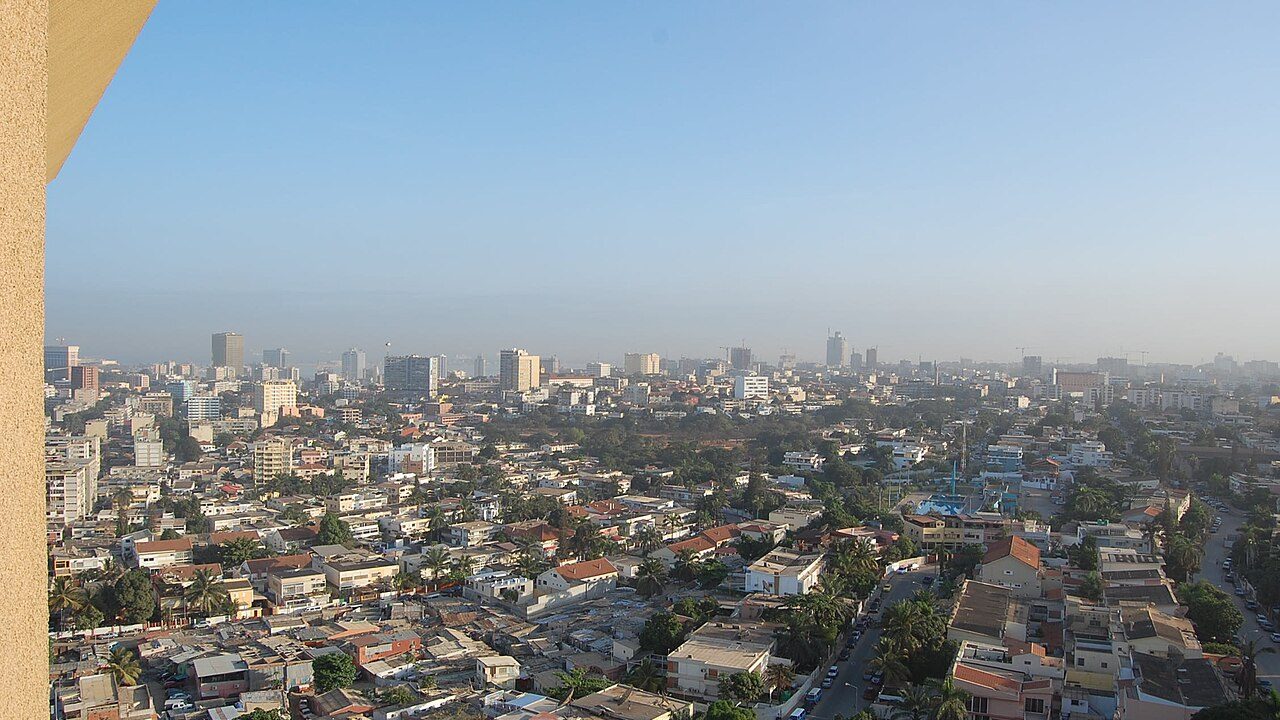
Kizomba is an Angolan music and partner dance that took shape in Luanda in the late 1970s and early 1980s, when musicians mixed the older semba with the zouk arriving from the French Caribbean. It became an international dance in the 2000s and 2010s, taught in schools from Lisbon to Warsaw and Seoul. What is kizomba?
Knowing that background helps. Kizomba grew out of social dancing at parties, not in studios, and its feel, grounded, relaxed and close, comes from there.
Step 1: the embrace
The embrace is where kizomba begins.
- Leader: your right arm goes around the follower's back, with your hand flat on the middle or lower part of the back. Your left hand holds the follower's right hand at about shoulder height, relaxed.
- Follower: your left arm rests on the leader's shoulder or around the upper back. Your right hand rests in the leader's left hand.
- Contact: the upper bodies are close, usually chest to chest. Beginners can start a little more open and close the embrace as they get comfortable.
- Posture: stand tall, knees soft, weight slightly forward over the balls of the feet. Avoid leaning heavily on your partner.
The embrace should feel secure but never tight. Either partner can adjust the closeness, and a good dancer notices when their partner needs more space.
Step 2: weight changes on the spot
Before moving, learn to change your weight cleanly. Stand in the embrace and shift your weight from one foot to the other on each beat of the music, as if marching very slowly on the spot without lifting the feet much.
The leader initiates each change with the body, not the arms. The follower feels the shift through the chest and follows it. When this is smooth, you are already dancing kizomba.
Step 3: walking
Most kizomba is built on walking. The leader walks forward, the follower backward, one step per beat, with the knees soft and the feet close to the floor. Steps are small and grounded.
A few tips:
- Lead from the chest. The leader's upper body moves first, the feet follow.
- Keep your feet under you. Big steps break the connection.
- Arrive fully on each foot before taking the next step.
- Followers, walk back from the hips, reaching back with the leg while keeping the upper body connected.
Step 4: a side step and a simple basic
Many schools teach a side-to-side basic early on: a step to one side, close, a step to the other side, close, on the beat. Others start with a walking basic that goes forward and back in a short pattern. The details, and the counts, vary from teacher to teacher, and there is no single correct version.
What matters is that the step stays on the music, the weight changes are clean, and the couple moves together.
Step 5: pauses and musicality
Kizomba is slow on the surface, but much of the dance lives in small weight changes, pauses and the way the couple fills the space between beats.
- Use pauses. Stopping on a musical accent is part of the dance, not a mistake.
- Listen for the phrases. The music changes every few bars; your dancing can change with it.
- Play with speed. A double-time step here and there adds texture, once your basic is solid.
Tips for leaders
- Lead with your body, not your arms.
- Give a clear intention before each step.
- Keep the steps small and grounded, especially on a crowded floor.
- Watch the space around you. Floorcraft.
- Adapt the closeness and complexity to your partner.
Tips for followers
- Stay centred and ready, but do not anticipate.
- Keep your own balance; do not hang on the leader.
- Keep the upper body connected while the legs move freely.
- Say so if the embrace or a move is uncomfortable.
Kizomba, semba, tarraxo and urban kiz
As you go to socials, you will hear other names:
- Semba: the older Angolan music and dance behind kizomba, more open and more playful. What is semba?
- Tarraxo: a slow, dark electronic music born near kizomba among Afro-Portuguese producers in Lisbon, and the dance taught to it. What is tarraxo?
- Urban kiz: a partner dance developed in the Paris suburbs from around 2010, with its own posture and music. Kizomba vs urban kiz.
Most beginners start with kizomba foundations, then explore the others.
Etiquette in close embrace
Close embrace dances need extra care: ask before closing the embrace with a new partner if you are unsure, respect any request for more space, and never treat closeness on the floor as an invitation for anything else. Good hygiene matters too. Social dance etiquette.
Frequently asked questions
Is kizomba hard to learn? The first steps are simple; connection, posture and musicality take longer.
What is the basic step in kizomba? There is no single universal basic: most teachers start with walking, weight changes and a side step.
Do you have to dance kizomba in a close embrace? Traditionally yes, but beginners can start more open and adjust.
What is the difference between kizomba and urban kiz? Kizomba is the Angolan dance; urban kiz developed in the Paris suburbs from around 2010.
FAQ
Is kizomba hard to learn?
The first steps are simple, because kizomba is based on walking and weight changes. What takes time is the connection, the posture and the musicality, which make the dance feel smooth for both partners.
What is the basic step in kizomba?
There is no single universal basic. Most teachers start with walking on the beat in a close embrace, simple weight changes on the spot and a side-to-side step, then add pauses and turns. Schools count and name these steps differently.
Do you have to dance kizomba in a close embrace?
Kizomba is traditionally danced in a close embrace, with the connection carried through the chest and the arm frame. Beginners can start with a slightly more open frame, and either partner can adjust the closeness to feel comfortable.
What is the difference between kizomba and urban kiz?
Kizomba is the Angolan partner dance, grounded and connected to semba. Urban kiz is a partner dance developed in the Paris suburbs from around 2010, with a different posture, music and history.
Sources
- #DANCE, "What is kizomba?", "What is semba?" and "Kizomba vs urban kiz", with their own sources
- #DANCE editorial advice, compiled from common teaching practice in kizomba classes