Rize is a 2005 documentary by the photographer David LaChapelle about two dance cultures from South Central Los Angeles: clowning, created by Tommy the Clown, and krump, which grew out of it. Released by Lions Gate in the summer of 2005, it followed dancers including Lil C, Tight Eyez, Miss Prissy and Dragon, and showed krump to the world for the first time. It remains the best-known film about the dance, and one of the most debated.
Clowning
The story starts with Tommy Johnson, known as Tommy the Clown. According to The Brooklyn Rail's review, he created "clown dancing" in response to the chaos and misery that followed the 1992 Los Angeles riots, after the verdict in the Rodney King case. He performed at children's birthday parties in clown make-up, trained young dancers and built a network of clown groups that battled each other at an event called Battle Zone.
Clowning is fast and joyful, a mix of hip-hop moves, shakes and tricks, performed for families.
Krump
Some of Tommy's dancers wanted something harder. Roger Ebert's review summarises the film's account: krump was created by dancers, including Lil C, Tight Eyez and Dragon, who left Tommy to start their own school.
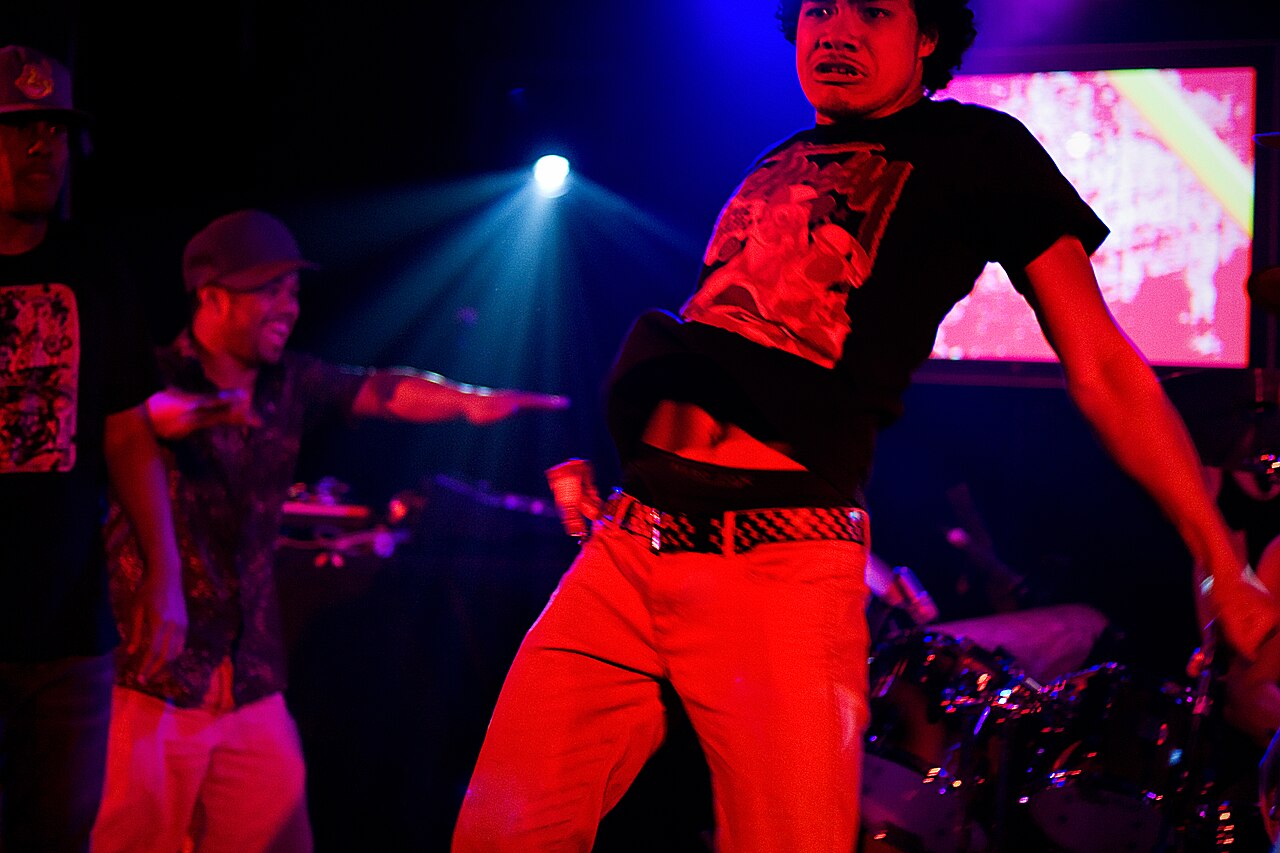
Krump is more intense and more raw: chest pops, stomps, arm swings and jabs, danced in sessions where the crowd pushes each dancer further. For many krumpers it is also a spiritual practice. Talking to NPR in 2005, Tight Eyez, then 20, called krump "the punk rock of hip hop".
Other accounts put Big Mijo, who also appears in the film, alongside Tight Eyez at the very start of krump. We go into that history and the movement's vocabulary in What Is Krump?.
The film
LaChapelle, famous for his colourful celebrity photography, first made a short film on the subject, Krumped, which won a short filmmaking award at Sundance in 2004. Rize expanded it to feature length.
The film opens with a note that none of its footage has been sped up, because the speed of the dancers seemed impossible. NPR noted that it intercuts krump battles with footage of dancers in Africa, a comparison Tight Eyez said was a revelation to him.
It was widely praised for its energy and for letting the dancers tell their own stories of poverty, violence and family.
The criticism
Rize was also criticised. The Brooklyn Rail argued that it followed a familiar formula of finding a "sexy subculture" in a poor community and wrapping it in an uplifting story. An academic article in the gnovis journal examined how the production and reception of the film relied on racial stereotypes, particularly in the scenes comparing krump to African dance.
Those debates are worth knowing. The film made krump famous, but the culture belongs to the people who built it in Los Angeles, many of whom have spent years correcting how the story was told.
Legacy
After Rize, krump spread quickly to Europe, Asia and Australia, with sessions and battles organised by local krump "fams". Like breaking, it now has a global scene that still looks to Los Angeles for its roots.
FAQ
What is Rize about?
It is a 2005 documentary by David LaChapelle about two related dance cultures from South Central Los Angeles: clowning, created by Tommy the Clown, and krump, which grew out of it.
Who created krump?
Krump is generally credited to dancers who came out of the clowning scene, above all Tight Eyez and Big Mijo, with Lil C, Miss Prissy and others. Accounts differ on who did what.
What is the difference between clowning and krump?
Clowning, started by Tommy the Clown in the 1990s, is fast, playful and performed in clown make-up. Krump is rawer and more intense, built on chest pops, stomps, arm swings and spiritual expression.
Sources
- NPR, "'Rize': Dancing Above L.A.'s Mean Streets", 27 June 2005
- Roger Ebert, review of Rize, 2005
- The Brooklyn Rail, "Straight Outta Compton", June 2005
- gnovis journal, "Krump or Die: Krumping and Racist Ideologies in the Production and Reception of Rize"