House dance is the dance of house music. It grew in the underground clubs of Chicago and New York in the late 1970s and 1980s, in scenes built largely by Black, Latino and gay dancers. It is freestyle and built on three elements: jacking, a rolling movement of the torso on the beat, footwork, fast and intricate steps, and lofting, floor work that was added in New York. Today house dance is taught and battled around the world.
The clubs
House music and house dance came out of a club culture that offered refuge. V&A Dundee describes how New York's club scene of the 1970s and 1980s, from house parties to the Paradise Garage, emerged from the city's LGBTQ+, Black and Latinx communities.
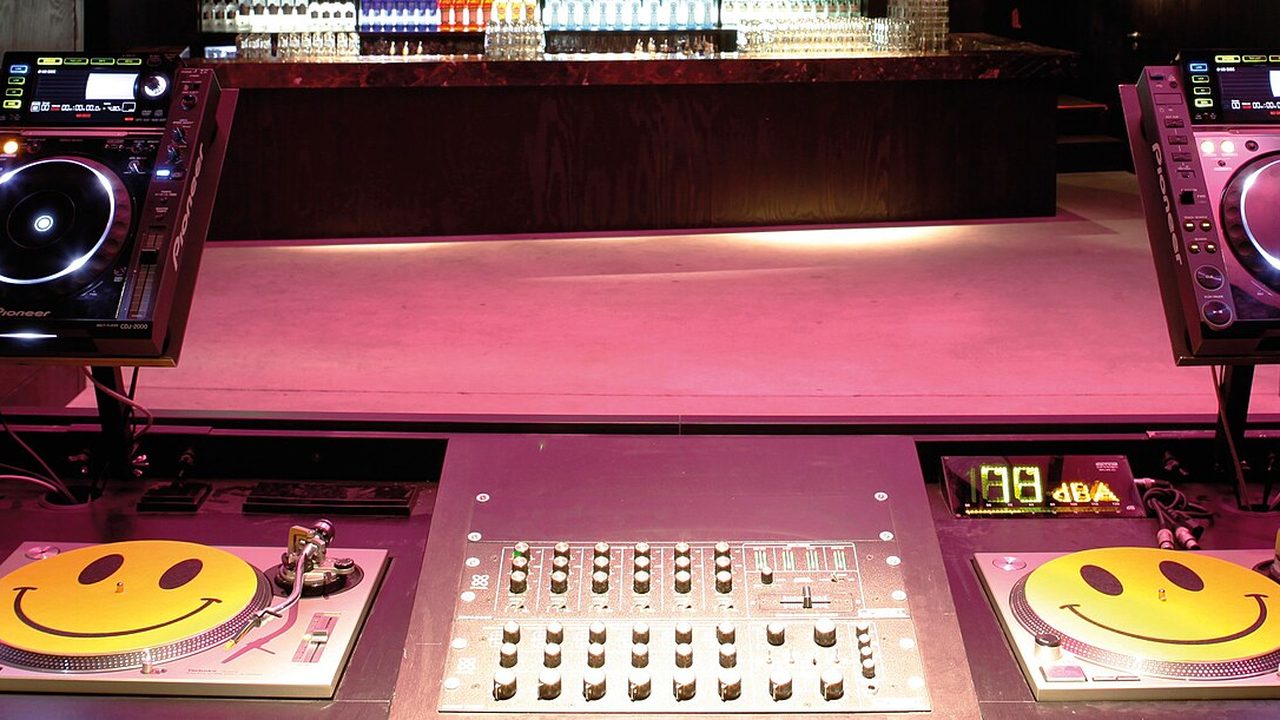
In New York, David Mancuso's private parties at The Loft set a model for DJ-led dancing. The Smithsonian quotes the dance historian Sally Sommer: unlike other clubs, the Loft was not a place to show off, "you came to dance your brains out". Larry Levan then carried that spirit to the Paradise Garage, which dominated New York's club scene from 1977 to 1987.
In Chicago, the Warehouse, where Frankie Knuckles played, is often credited with giving house music its name. Backstage dates the golden age of house music and dance in Chicago to about 1984 to 1988.
Jacking
Jacking, or "the jack", is the signature of early house dance: a fast, rippling movement of the upper body, back and forth, that follows the four-on-the-floor kick drum. Backstage describes it as originating in Chicago. Almost every house dancer builds on it.
Footwork
Footwork is where dancers show their personality: shuffles, heel-toe steps, slides, pivots and quick crossings. It borrows from tap and from many other dances. New York dancers codified a vocabulary of steps with names such as the Loose Legs, the Train and the Skate.
Lofting
Lofting, named after the Loft, is the third element. It brings dancers down to the floor with spins, slides and acrobatic moves, then back up into footwork and jacking. Backstage notes that it was added in New York, where house moved beyond the gay clubs and spread through the whole club scene from the mid-1980s to the early 1990s.
A dance of many influences
House dance has always been open. Dancers at the Paradise Garage and other clubs came from ballet, tap, jazz, Latin dance, martial arts and breaking. Red Bull Music Academy notes that New York dancers later added influences from hip-hop styles such as waving and tutting, and opened the dance to new music.
Its cousins include voguing, which grew in the ballroom scene of the same city, and the house-based music that now dominates African dance floors, from Afro house to amapiano.
House dance today
House dance is now a staple of street dance battles and dance schools worldwide. Japan has one of the strongest scenes, and festivals bring dancers from Europe, Africa and Asia to learn from the New York pioneers.
The spirit is still the one from the clubs: no fixed partner, no set choreography, and a conversation between the dancer and the DJ.
FAQ
Where does house dance come from?
From the underground clubs of Chicago and New York in the late 1970s and 1980s, where house music was born, in largely Black, Latino and gay communities.
What are the main elements of house dance?
Jacking, a rippling movement of the torso on the beat; footwork, fast and intricate steps influenced by tap and other dances; and lofting, floor work added in New York.
Is house dance hip-hop?
No. It comes from club culture and house music, not from hip-hop, although many dancers practise both and they meet at the same street dance battles.
Sources
- Backstage, "Dance/Movement: Breaking Into House Dance"
- Red Bull Music Academy Daily, "Bounce to This: An Introduction to Housing, Flexing, Voguing and Jersey Club", April 2014
- Smithsonian Center for Folklife, "The refuge of underground dance halls in 1970s New York"
- V&A Dundee, "Dancing in safe spaces: exploring club culture's queer foundations"