Soca is the music of Trinidad and Tobago's Carnival and of Caribbean carnivals around the world. Its name joins soul and calypso: the calypsonian Lord Shorty created it in the 1970s to bring young people back to calypso, mixing it with soul, funk and Indo-Trinidadian rhythms. Since then, soca has split into many styles, from slower groovy soca to the fast power soca of the road. On the floor, it is danced mainly by wining, a controlled circular movement of the waist, and by jumping and waving when the song says so. Here is where it comes from and how to dance it.
Lord Shorty and the soul of calypso
Soca's creator was Garfield Blackman, a Trinidadian calypsonian who became famous as Lord Shorty in the 1960s and later took the name Ras Shorty I. Wikipedia explains that he wanted to revive calypso at a time when young Trinidadians were turning to Jamaican reggae and American soul and funk.
His solution was a fusion. From 1970, a recording project at KH Studios in Trinidad worked on capturing the complex calypso rhythm with new multi-track techniques. Shorty's "Indrani" (1972) was among the early songs that benefited, followed by his hits "Endless Vibrations" and "Sweet Music". With "Endless Vibrations", which played on radio and in clubs from Trinidad to New York, Toronto and London, he first defined his music as soca.
He first spelled it "sokah", the "kah" to reflect the East Indian influence. In a 1979 interview with Carnival Magazine, he explained that he never spelled it s-o-c-a; the spelling came from a journalist's mistake during the 1976 Carnival season, and Shorty decided to leave it to avoid confusion.
From calypso and kaiso
Soca grew out of calypso, which developed in Trinidad from West African kaiso and the songs of the Carnival, including the stick-fighting chants of the calinda. Along the way soca absorbed chutney, reggae, zouk, Latin music, cadence and West African rhythms.
There is also a link with the French Caribbean. In the 1970s, the Dominican band Exile One created cadence-lypso, mixing Haitian cadence with Trinidadian calypso, a sound that fed into the zouk of Kassav' in the 1980s. We tell that story in Kassav' and zouk and Kompa vs zouk.
The international hits
Soca reached the world in the 1980s. Arrow, from Montserrat, recorded "Hot Hot Hot" in 1982 with the arranger Leston Paul. It became the best-selling soca hit of all time and was covered many times, most famously by Buster Poindexter in 1987.
Meanwhile, Brooklyn became a centre of soca production from the mid-1970s to the early 1990s, with Caribbean-owned labels such as Straker's, Charlie's and B's Records. Later stars such as Machel Montano, whose "Big Truck" won the Road March in 1997 and who has since won ten Road March titles according to the Recording Academy, and Bunji Garlin, whose "Differentology" was remixed by Major Lazer, kept taking soca abroad.
The styles of soca
Wikipedia lists many styles. A few of the main ones:
- Groovy soca: slower and melodic, popularised as a trend from Robin Imamshah's "Frenchman" in 1990. The term itself was coined in 2005.
- Power soca: fast and aggressive, often 155 to 163 beats per minute. Superblue pioneered it with "Get Something & Wave" in 1991, and Britannica notes that its lyrics gave direct instructions to dancers.
- Chutney soca: one of the original styles, with strong East Indian influences and lyrics in English and Hindi.
- Ragga soca: soca with the chanting style of Jamaican dancehall deejays, sung by artists such as Bunji Garlin.
- Afro soca: a fusion with Afrobeats, often at a similar tempo to groovy soca.
- Bouyon soca: soca blended with the bouyon music of Dominica, popular in Saint Lucia, Antigua, Guadeloupe and Martinique.
How to dance to soca
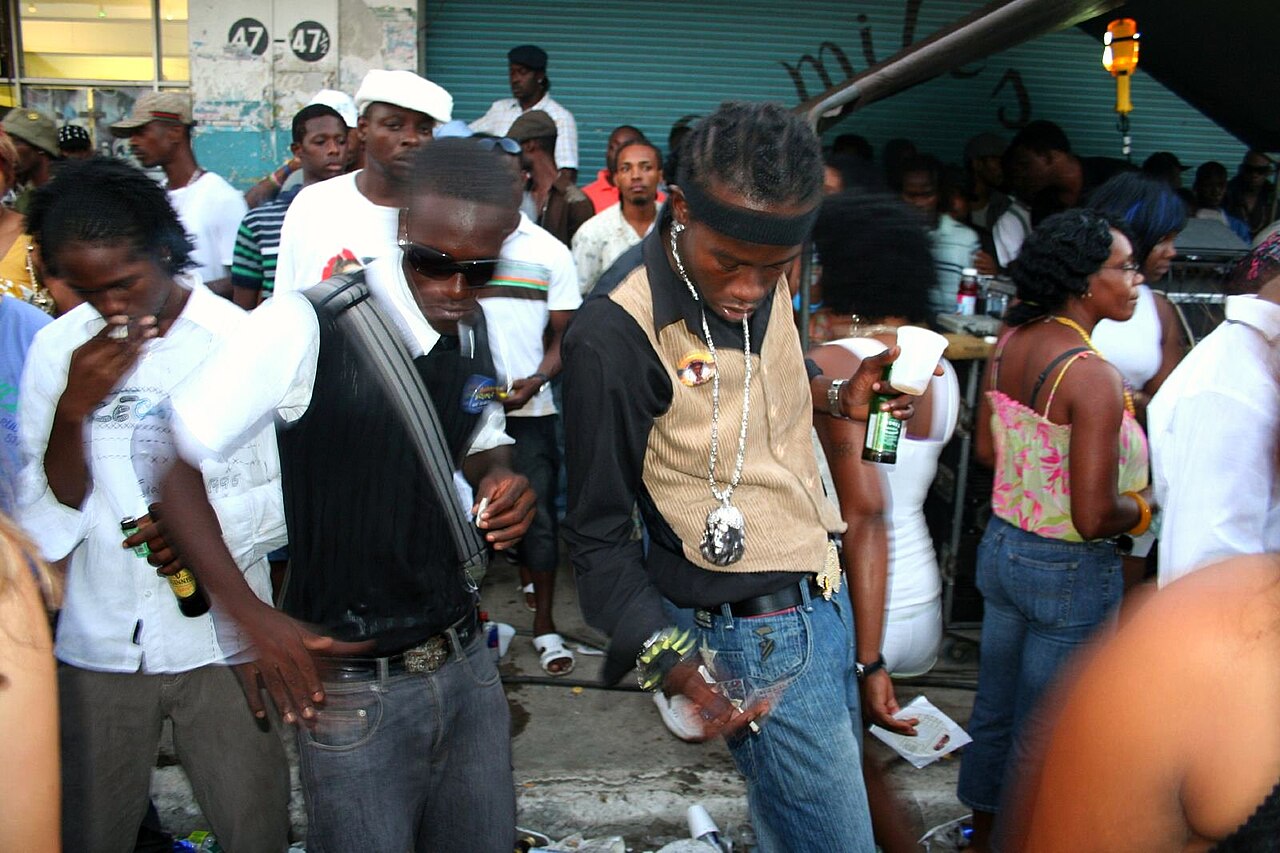
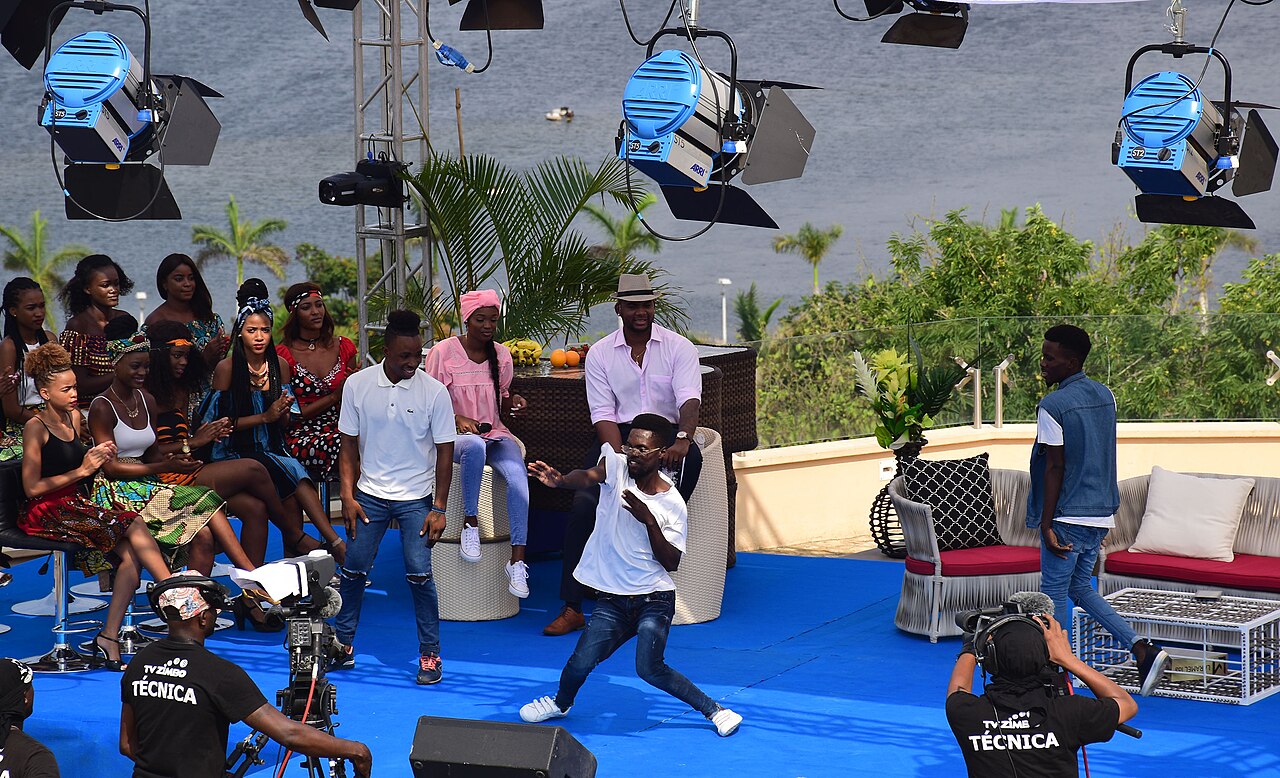
Soca is party music with instructions. NPR summed it up: the pace and the lyrics usually tell you whether to bubble, rotating the hips casually, to wine, gyrating the waist intently, or to jump and wave, flinging a flag or a rag up and down at tempos that can approach 170 beats per minute.
Wining is the heart of it. Red Bull describes it as a tightly controlled, circular movement of the waistline, done alone or in pairs, by men and women alike, and often wrongly mislabelled as twerking. Caribbean Beat notes that a modern Road March has to be an anthem of wining.
On the road, many songs are made, as Red Bull Music Academy puts it, for masqueraders to chip along the parade route and to jump up. Some tips:
- Follow the lyrics. When the song says wave, jump or wine, do it with everyone.
- Wine from the waist. The movement is circular and controlled, not a push of the hips.
- Ask before wining on someone. On a crowded road, consent and respect still apply.
- Pace yourself. Carnival lasts for days, and power soca is fast.
Carnival and the Road March
Soca's biggest stage is Carnival. In Trinidad and Tobago, the Road March is the title given to the song played most often at the judging points along the parade route. According to Wikipedia, it has been awarded officially every year since 1932, apart from the war years, and it is one of the most prestigious titles of the season. Another big prize, the Soca Monarch, is crowned at a concert just before Carnival.
Soca also travels with the diaspora, to carnivals such as London's Notting Hill, where flags and waving are part of the party. If you like the energy of soca, you will find a close cousin in shatta, born in Martinique, and in the sound systems of Jamaica, explained in Dancehall vs reggae.
FAQ
What does soca mean?
Soca is a contraction of 'soul' and 'calypso'. Lord Shorty, who created it, defined it as the 'soul of calypso' and first spelled it 'sokah' to reflect its East Indian influence.
Who invented soca?
The Trinidadian calypsonian Garfield Blackman, known as Lord Shorty and later Ras Shorty I, is regarded as the father of soca. His 'Endless Vibrations' (1974 to 1975) was among the first songs he defined as soca.
How do you dance to soca?
Mostly by wining, a controlled circular movement of the waist, alone or with a partner, and by jumping and waving, often with a flag or a rag, when the song tells you to. Lyrics frequently give the instructions.
What is the difference between groovy soca and power soca?
Groovy soca is slower and more melodic, good for wining. Power soca is fast, often 155 to 163 beats per minute, and built for jumping and waving on the road.
What is the Road March?
In Trinidad and Tobago, the title given to the song played most often at the judging points along the parade route during Carnival. It is one of the most prestigious prizes in soca.
Sources
- Wikipedia, "Soca music" and "Carnival Road March", consulted November 2026
- Britannica, "Soca music"
- NPR, "Wile or wine: 10 soca songs for carnival season", March 2011
- Red Bull, "Soca 101: what you need to know about Carnival's most essential music genre"
- Caribbean Beat, "How to win the road"
- Red Bull Music Academy, "The essential guide to soca", March 2017
- Vice, "Soca has been the sound of Trinidad for 40 years"
- Recording Academy (Grammy.com), on essential soca artists, 2023
- Wikipedia, "Arrow (musician)" and "Hot Hot Hot (Arrow song)", consulted November 2026