Litefeet, flexing and jookin are three American street styles that grew in specific neighbourhoods, far from dance studios: litefeet in Harlem, New York, in the early 2000s; flexing in Brooklyn, with roots in Jamaican dancehall; and jookin in Memphis, Tennessee, from the city's Gangsta Walk. None of them had the global media push that breaking had in the 1980s, but each built a scene, a vocabulary and a few dancers whose videos went around the world. Here is how to tell them apart.
Litefeet: Harlem's "light feet"
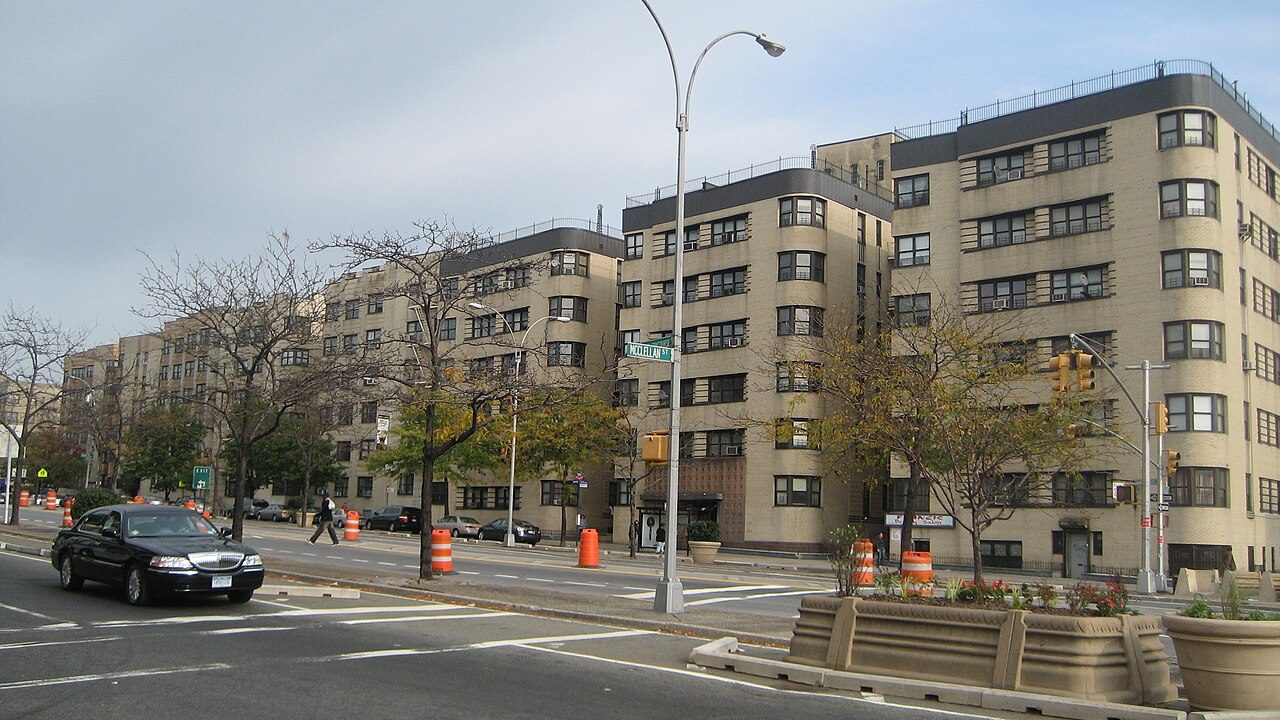
Litefeet, also called "getting lite", emerged in Harlem in the early 2000s. The name comes from the idea of dancing as if your feet were light, almost weightless. It is a social dance first: moves have names, spread through parties and videos, and get passed around the neighbourhood.
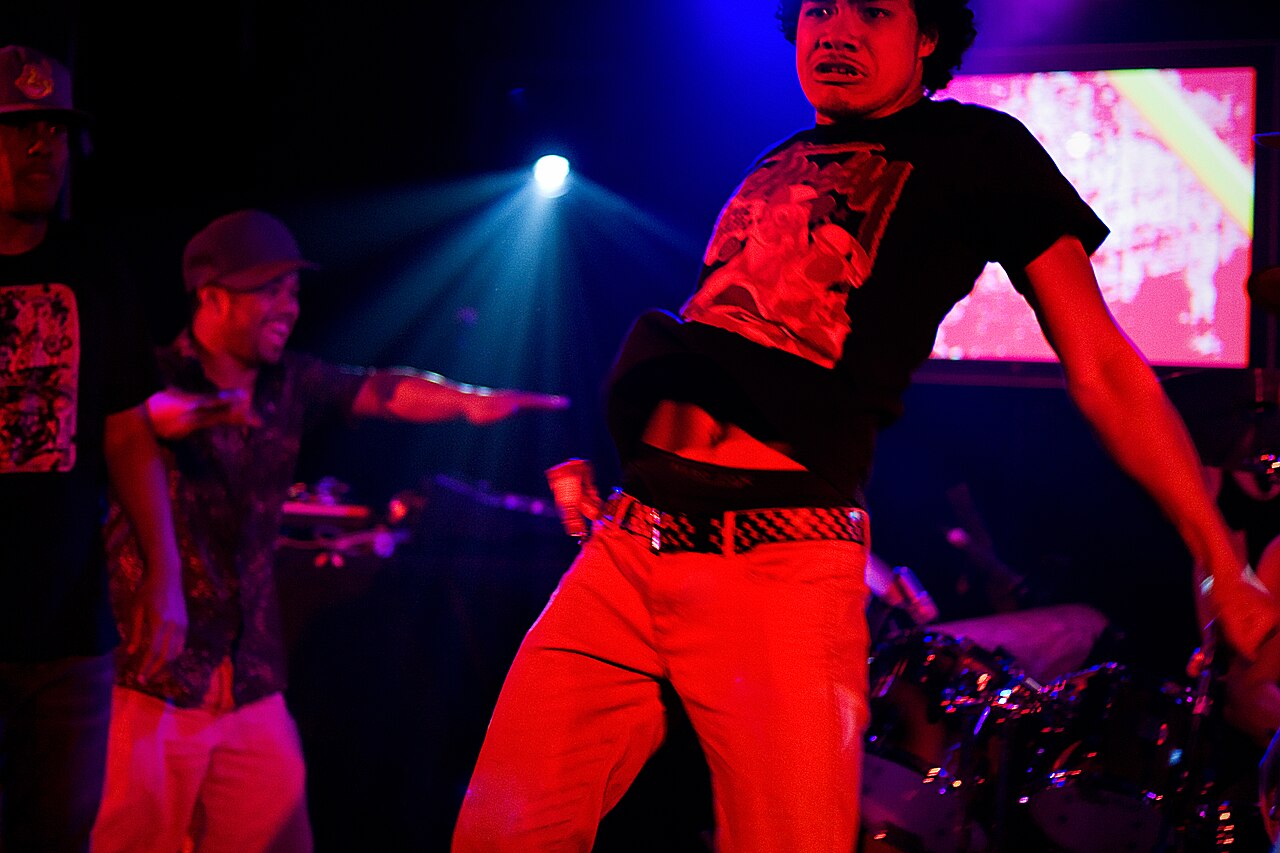
Classic litefeet moves include the Harlem shake, the Chicken Noodle Soup, the Tone Wop, often mistakenly called the "Toe Whop", the Rev Up and the Aunt Jackie. Dancers add shuffles, hat tricks and shoe tricks, flipping and catching their sneakers and caps in rhythm.
Litefeet also names its music: fast rap beats, often around 100 to 110 beats per minute, made by a scene of local producers.
Showtime on the subway
Litefeet became famous far beyond Harlem through the subway. Teams perform in New York City trains, announcing "It's showtime!" before a routine of acrobatic flips, hat tricks and pole tricks using the handrails of the car. Union Square is another regular spot.
Not everyone loves it. In 2014, under police commissioner Bill Bratton, the NYPD cracked down on subway performers as part of its "broken windows" policing. WNYC reported that arrests of subway performers had more than quadrupled that year, according to The New York Times. Teams kept dancing anyway, and some moved towards legal stages, festivals and international tours.
Flexing: Brooklyn's bone-breakers
Flexing, also written FlexN, comes from Brooklyn. Its early history runs through a talent show and local cable TV programme called Flex N Brooklyn, created in 1992 by Rocky and Sandra Cummings.
What makes flexing different from most American street dances is its roots. It did not come from hip-hop or funk. It evolved from bruk-up, a Jamaican street dance, and from dancehall and reggae. The dancer Mr. Wiggles once described bruk-up as a reggae style of animation. Flex producers even call their music FDM, flex dance music.
Flexing is usually described through several movement styles, which dancers mix freely:
- Bone-breaking: rhythmic contortions that look impossible.
- Bruk-up: movement that looks like broken limbs, from the Jamaican original.
- Connecting: often compared to tutting, but with different origins.
- Get low: floor work and the levels in between.
- Grooving: the flow underneath it all, rooted in dancehall.
- Gliding: the illusion of floating or sliding across the floor.
- Hat tricks: illusions and stories built around a cap.
- Pausing: movement broken into still frames, like a film played frame by frame.
Flexing reached wider audiences on America's Best Dance Crew and The LXD, and at the Guggenheim Museum as part of the YouTube Play event. The 2013 documentary Flex Is Kings, about dancers preparing for a competition called BattleFest, was screened at the Tribeca Film Festival. In 2014, The New Yorker published a long profile of the flex dancer Storyboard P.
Jookin: Memphis on its toes
Jookin comes from Memphis, Tennessee. It grew out of the Gangsta Walk, a street dance that began in the city's African American communities in the 1980s and was tied to the local club and rap scene. The Gangsta Walk itself borrowed from New Orleans buck dancing and bounce music, with heavy steps, arm swings and dancers marching in circles.
Jookin turned that energy into something smoother and more technical. Dance magazine described it in terms of gliding footwork, popping and waving, and dancers using the tips of their sneakers to balance on pointe. Watching a jookin battle in Tennessee, the dance critic Alastair Macaulay compared it to ballet pointwork: the men go up on tiptoe in sneakers, and some hop, turn and balance there.
Jookers traditionally practised at the Crystal Palace skating rink in Memphis.
Lil Buck and the Dying Swan
The most famous jookin dancer is Charles "Lil Buck" Riley, raised in Memphis. He discovered jookin at 12 and later studied ballet on a scholarship at the New Ballet Ensemble in Memphis. His jookin version of The Dying Swan, performed with the cellist Yo-Yo Ma and filmed on a phone by the director Spike Jonze, went viral and introduced jookin to millions of people who had never heard of Memphis street dance.
How they compare
| Style | Neighbourhood | Started | Roots | Signature |
|---|---|---|---|---|
| Litefeet | Harlem, New York | Early 2000s | Hip-hop social dance | Named moves, hat and shoe tricks, subway Showtime |
| Flexing | Brooklyn, New York | 1990s scene | Jamaican bruk-up and dancehall | Bone-breaking, pausing, gliding |
| Jookin | Memphis, Tennessee | From the 1980s Gangsta Walk | Memphis club and rap culture | Gliding and balancing on sneaker tips |
Why local styles matter
These three dances show how street dance keeps renewing itself. Each started with a few dancers, a local music, a TV show or a skating rink, and a neighbourhood that recognised itself in the movement. Social media then did what films like Beat Street did for breaking: it carried them to dancers in Paris, Tokyo and Lagos who copy, battle and add their own twist.
For dancers today, they are also a reminder to look beyond the big categories. If you can, learn these styles from people who grew up in them, and credit the neighbourhoods they came from.
Frequently asked questions
What is litefeet? A street and social dance from Harlem, early 2000s, with named moves, shuffles and hat and shoe tricks, behind most subway Showtime routines.
What is flexing? A Brooklyn street dance rooted in Jamaican bruk-up and dancehall, with bone-breaking, pausing and gliding.
What is jookin? A Memphis street dance grown from the Gangsta Walk, known for gliding and balancing on sneaker tips.
Are these styles hip-hop dance? Litefeet and jookin grew inside hip-hop culture; flexing came from Jamaican bruk-up and dancehall instead.
FAQ
What is litefeet?
A street and social dance from Harlem, New York, that emerged in the early 2000s. Dancers move as if they had 'light feet', with shuffles, hat tricks and shoe tricks, and it is the style behind most 'Showtime' subway performances.
What is flexing?
Flexing, or FlexN, is a street dance from Brooklyn with roots in Jamaican dancehall and a style called bruk-up. It includes bone-breaking contortions, pausing, gliding, get-low floor work and hat tricks.
What is jookin?
A street dance from Memphis, Tennessee, grown from the city's Gangsta Walk. It is known for gliding footwork and for balancing on the tips of sneakers, almost like a ballet dancer on pointe.
Are these styles hip-hop dance?
Litefeet and jookin grew up inside hip-hop culture. Flexing is different: it evolved from Jamaican bruk-up and dancehall rather than from hip-hop or funk.
Sources
- Wikipedia, "Litefeet", "Showtime (busking)", "Flexing (dance)", "Gangsta walking", "Hip-hop dance" and "Lil Buck"
- WNYC, "It's (Not) Showtime: Why There's a Crackdown on Subway Performers" (July 2014)
- Viewing NYC, "Despite Threat of Arrest, Subways Dancers Continue to Hustle and Busk on Trains"