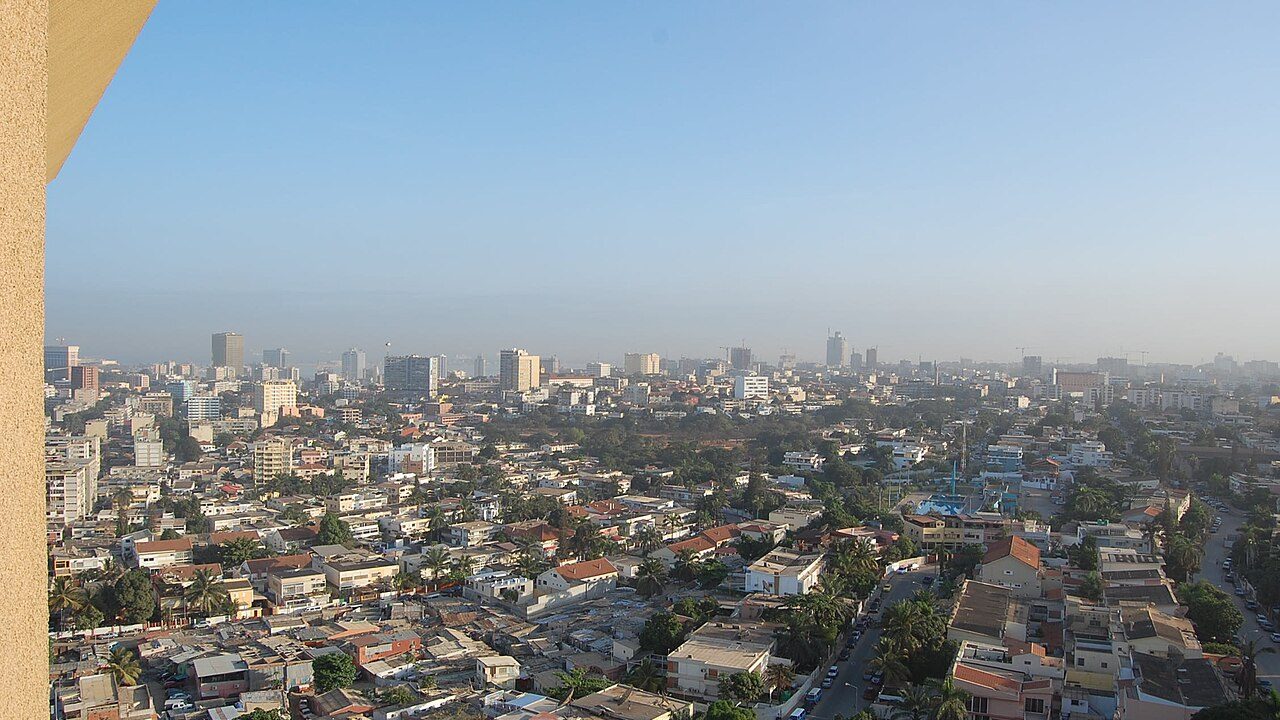
Kuduro is a fast, hard-hitting electronic music and dance from Angola. It took shape in Luanda between the late 1980s and the early 1990s, when young producers mixed African percussion with house, techno, soca and zouk. The dance is just as important as the music, and according to its best-known pioneer, Tony Amado, it actually came first. Kuduro grew in Luanda's poor neighbourhoods, the musseques, during years of civil war, and later spread to Lisbon and the rest of the world, carried by Angolan migrants and by bands such as Buraka Som Sistema.
Where kuduro comes from
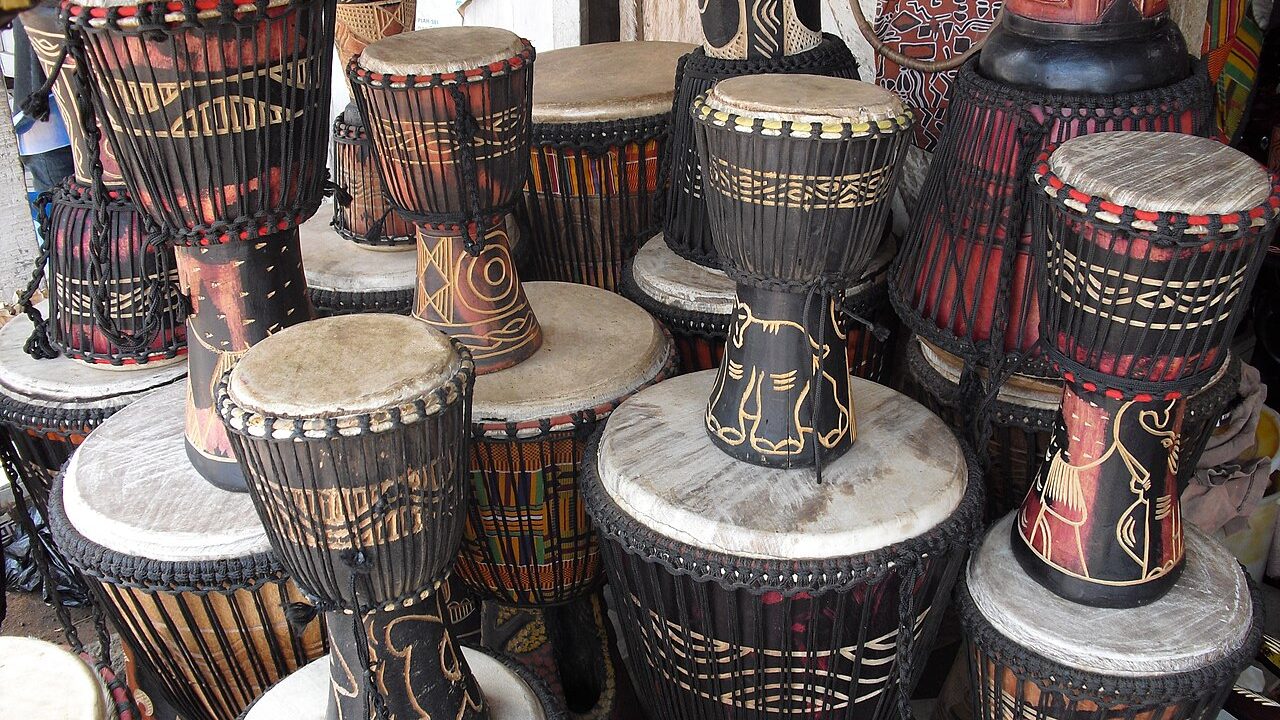
The roots of kuduro go back to the late 1980s, when producers in Luanda started mixing African percussion samples with zouk béton, the fast carnival side of zouk, and soca. The result was a style first called batida, simply "beat". European and American electronic music was arriving in Angola at the same time, and young producers began adding heavy African percussion to house and techno beats.
The context matters. Kuduro was born during Angola's long civil war, and it gave young people in the city a way to cope and to have fun. The researcher Inês Cordeiro Dias describes it as a way for Angolans, especially those in the musseques, to claim their space in the city and to criticise society.
Tony Amado and Van Damme
The most famous origin story comes from Tony Amado, who presents himself as the creator of kuduro. He has told it many times: he saw Jean-Claude Van Damme in the 1989 film Kickboxer, in a scene where the actor, a little drunk, dances in a bar in a stiff, unusual way. Amado copied the movement, sped it up and built a dance around it. According to the Mail & Guardian, he sang "Dança, dança, Van Damme, dança!" while imitating the actor's stiff swing.
For Amado, the dance came before the music, and he repeats it in almost every interview, as Field Journal notes. Not everyone credits him alone. Africa Is a Country points out that the early kuduro artists, Amado and Sebem among them, drew on local and foreign sources, and that the dance moves have much that is Angolan about them, whatever Van Damme contributed. Accounts also differ on dates: some place the name in the early 1990s, while the musical roots go back to the late 1980s.
What the name means
The usual explanation is Portuguese: "cu duro", a "hard bottom", describing a dance where the dancers seem to have stiff buttocks. Another reading takes "ku" as a locative in Kimbundu, one of Angola's languages, which would make the name closer to "in a hard place" or "in hard times". Both meanings fit the dance and the period it came from.
The sound
Kuduro is built on a fast four-to-the-floor kick drum, with other drums playing a syncopated pattern on top. It is mainly an electronic, loop-based music, and the vocals, when there are any, are often shouted or chanted rather than sung.
Its history follows its technology:
- First generation, early 1990s: producers, often middle-class young people who had spent time in Europe, used all-in-one keyboards and samplers. The short memory of those machines explains the short loops. Vocals were rare, partly because few studios in Angola could record them. Tempos ran around 128 to 135 beats per minute.
- Second generation: as the economy opened up and personal computers spread, cheap and often pirated copies of the software Fruity Loops, later FL Studio, put production in the hands of young people in the musseques. The music got faster, around 140 bpm, with urgent vocals.
- Third generation: a more neighbourhood-based scene, with slower beats influenced by afro house and ndombolo, and a move to other production software.
The dance
Kuduro is danced mostly solo, in the street, at parties and in circles. Groups form a ring and dancers take turns in the centre, trying to impress the crowd, which claps and cheers them on. Participation is usually open to anyone.
The movement vocabulary is wide: stiff, jerky isolations, sudden freezes, falls, moves borrowed from popping and breaking, and fast footwork. Dancers often contort their bodies, move as if their joints were breaking, and drop to the floor.
Scholars have also noted a link with Angola's war. Landmines left many Angolans with amputations, and some kuduro moves reflect that experience, with dancers moving on their knees or imitating an amputee's movements. Disabled dancers are part of the scene. The well-known dancer Costuleta, whose leg was amputated, is celebrated for the dexterity of his performances.
From Luanda to Lisbon and beyond
Kuduro is hugely popular across the Portuguese-speaking countries of Africa and in the suburbs of Lisbon, especially Amadora and Queluz, where many Angolans live.
In Lisbon, a mix of kuduro, house and techno known as progressive kuduro took the style to European clubs. Its best-known name is Buraka Som Sistema, founded in 2002 by Branko, DJ Riot, Conductor and Kalaf Epalanga, and named after Buraca, a district of Amadora. Their single "Yah!" and later work, including a collaboration with M.I.A. on "Sound of Kuduro", brought kuduro to an international audience.
In Angola, the I Love Kuduro project, created by the artist Coréon Dú, organised events in Paris and Berlin from 2011 and a two-day festival in Luanda in January 2012. A documentary of the same name, made with the brothers Mário and Pedro Patrocínio, told the story of the movement.
Kuduro and kizomba
Both come from Angola, and both have travelled to Lisbon and beyond, but they could hardly be more different. Kizomba is a slow, close partner dance and a romantic music. Kuduro is fast, electronic, loud and mostly danced alone or in circles. Many Angolan artists have worked in both worlds, and the two often share the same parties in the diaspora. More on kizomba.
How to get into kuduro
Start with videos of kuduro battles and street circles from Luanda, then with the Lisbon sound of Buraka Som Sistema. If you want to dance it, look for afro dance classes that include kuduro: the style asks for strong legs, fast reactions and no fear of looking strange. That last part is the point.
Frequently asked questions
What is kuduro? An uptempo electronic music and dance from Luanda, Angola, mixing African percussion with house, techno, soca and zouk.
What does kuduro mean? "Cu duro", Portuguese for "hard bottom", after a stiff movement of the dance. Another reading gives "in hard times".
Who created kuduro? Tony Amado is widely seen as its pioneer and claims the dance, inspired by Van Damme in Kickboxer. Sebem and others were central too.
Is kuduro the same as kizomba? No. Kizomba is slow and close; kuduro is fast, electronic and mostly danced solo.
FAQ
What is kuduro?
An uptempo electronic music and dance from Angola, developed in Luanda from the late 1980s. It mixes African percussion with influences from house, techno, soca and zouk.
What does kuduro mean?
In Portuguese, 'cu duro' means 'hard bottom', a reference to a stiff movement of the dance. Some writers also read 'ku' as a Kimbundu locative, giving a meaning closer to 'in a hard place' or 'in hard times'.
Who created kuduro?
The singer and dancer Tony Amado is widely seen as its pioneer and claims to have invented the dance, inspired by a scene in the 1989 film Kickboxer. Sebem and other artists were also central in the first generation.
Is kuduro the same as kizomba?
No. Both come from Angola, but kizomba is a slow, close partner dance and romantic music, while kuduro is fast, electronic and mostly danced solo or in circles.
Sources
- Wikipedia, "Kuduro" and "Buraka Som Sistema"
- Inês Cordeiro Dias, "Angolan Kuduro: Dance Conquers the City", Field Journal
- Africa Is a Country, "Brand Kuduro" (2012)
- Mail & Guardian, "Hums and buzzes: From semba to kuduro in Luanda" (2022)
- Global Voices, "Kuduro: The Sexy Angolan Rhythm With a Message" (2007)