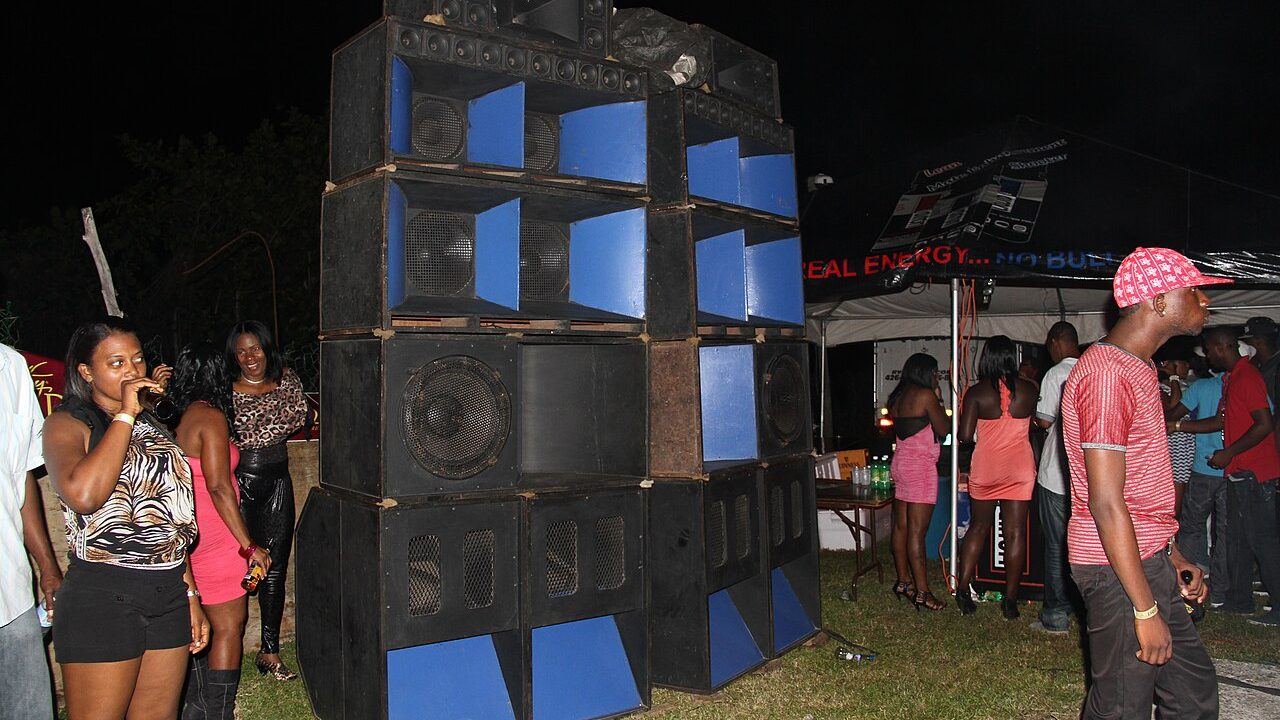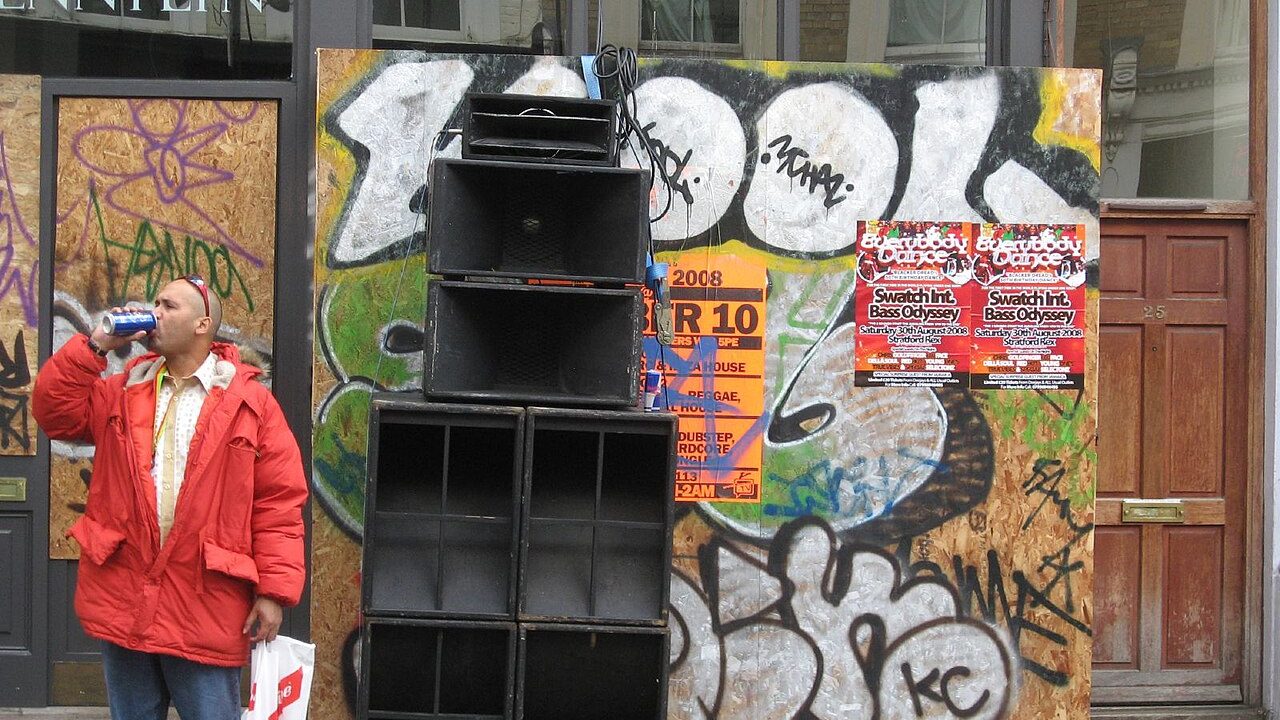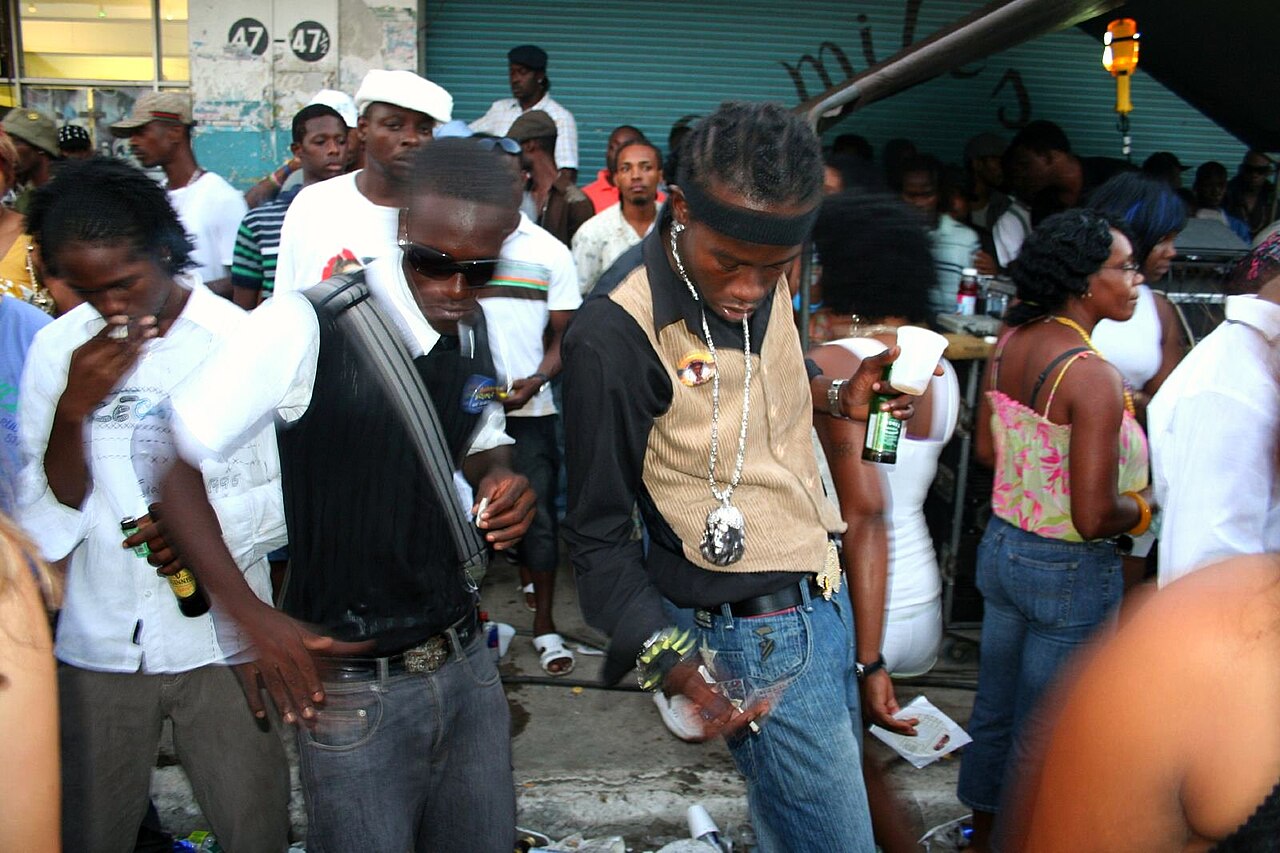
Reggaeton grew from Jamaican dancehall. The music first took root in Panama, where Spanish-language reggae and dancehall developed among the descendants of Caribbean canal workers, then became its own genre in Puerto Rico in the early 1990s, in the underground scene of DJs such as DJ Playero and DJ Negro. Its heartbeat, the dembow rhythm, comes straight from Kingston: it is named after Shabba Ranks' dancehall hit "Dem Bow", built on the "Fish Market" riddim produced by Steely & Clevie in 1989. Even reggaeton's signature dance, perreo, is described as an evolved form of dancehall dancing. Here is how a Jamaican sound became one of the biggest genres in Latin music.
Panama: the first bridge
The first link is Panama. Wikipedia traces reggaeton's origins to Panama City and to Afro-Caribbean workers who came to build the Panama Canal, many of them from Jamaica and Barbados, who brought reggae with them. Their descendants sang reggae and dancehall in Spanish. One early hit, "El D.E.N.I" by the Panamanian artist Renato, spoke about the discrimination faced by English-speaking Black Panamanians.
That Spanish reggae is still often confused with reggaeton. The difference is where the genre was finally built, and that was Puerto Rico.
Puerto Rico: the underground
In the early 1990s, Puerto Rican producers mixed hip-hop, Spanish rap and Jamaican dancehall. Wikipedia names DJ Playero and DJ Nelson among the producers who built the first tracks on the Jamaican "Dem Bow" riddim. The new sound was first called simply "underground", and later perreo.
It was a do-it-yourself scene. Tracks were recorded in marquesinas, home carports, and in public housing complexes, often on second-hand equipment, then sold on cassettes from the trunks of cars. The most popular tapes of the early 1990s included DJ Negro's The Noise and DJ Playero's mixtapes. The lyrics spoke about poverty, violence, love and sex, and the authorities pushed back: in February 1995, police raided record stores in San Juan and confiscated hundreds of cassettes. Over time, the genre won acceptance, to the point that politicians used it in election campaigns.
The name came out of that scene. One version says Daddy Yankee first said "reggaeton" while freestyling on DJ Playero's mixtape Playero 34 in 1994; another credits DJ Erick's 1995 album Reggaetón Live Vol. 1. Either way, the word adds the Spanish suffix -ton to "reggae".
The dembow beat
The rhythm at the centre of reggaeton is the dembow, the "boom-ch-boom-chick" pattern you hear in almost every song. Its story is pure dancehall:
- In 1989, the Jamaican production duo Steely & Clevie created the "Fish Market" riddim, also known as the Pocoman Jam riddim.
- At the start of the 1990s, Shabba Ranks used it for "Dem Bow", and the rhythm took the song's name.
- In 1990, the producer Dennis the Menace reworked it in "Pounder (Dub Mix II)", the B-side of "Pounder" by Bobo General and Sleepy Wonder. Wikipedia notes that this was the version later sampled by Puerto Rican producers.
The beat also carries the tresillo, the 3+3+2 pattern common across Latin American music, which helped it feel at home in Puerto Rico. For how riddims work in Jamaica, read What is a riddim?, and for the music itself, What is dancehall music?.
Perreo: dancehall on the floor
Perreo, also called sandungueo, emerged in Puerto Rico in the early 1990s. Wikipedia describes it as a dance focused on grinding, usually with one partner behind the other, popularised in Black urban neighbourhoods and clubs. It notes that its hip movements have roots in Afro-Caribbean dance and that it is an evolved form of Jamaican dancehall, expressing sexuality in a similar way.
The two dances also share a debate: is it sexual objectification, or a form of freedom and self-expression? We explore that debate for dancehall in Female dancehall.
The crossover
In 2004, reggaeton broke through in the United States and Europe. Tego Calderón was on American radio, Daddy Yankee's "Gasolina" caught the attention of hip-hop artists, and N.O.R.E.'s production for Nina Sky's "Oye Mi Canto", featuring Calderón and Daddy Yankee, became a hit. By 2008, Wikipedia notes, reggaeton was the biggest-selling genre of Latin music.
Reggaeton also met bachata. Ivy Queen, Daddy Yankee and Don Omar released bachata-influenced songs, and the two genres have kept crossing ever since, as we explain in What is bachata?. In 2017, "Despacito" by Luis Fonsi featuring Daddy Yankee became, for nearly three years, the most viewed video on YouTube. A new generation, led by Bad Bunny, took the genre further still.
Who owns the dembow?
The Jamaican roots of reggaeton ended up in court. In 2021, Cleveland "Clevie" Browne and the heirs of Wycliffe "Steely" Johnson began suing, claiming that around 1,800 reggaeton songs by more than 100 artists copied "Fish Market" and related recordings.
The case has turned more than once. On 1 July 2026, Judge André Birotte Jr. said the dispute was a battle of the experts that only a jury could resolve. On 1 September 2026, he reversed course on the central claim: Music Business Worldwide reported that he ruled the plaintiffs had not identified a single copyrighted work they own containing the combination of dembow elements they claimed, and that they could not build a protected work by combining parts of several songs. He did not decide whether the rhythm itself is original. The case is not over: claims about the copying of Steely & Clevie's sound recordings still have to be litigated.
For dancers and teachers, it echoes a wider question about who owns a rhythm or a step, which we discuss in Choreography copyright for dance teachers.
Why the roots matter
Reggaeton is a Puerto Rican genre, with Panamanian beginnings and a Jamaican engine. Knowing that changes how you hear it. The beat that fills Latin clubs around the world came out of Kingston studios, and the hip movement on the floor shares a family with dancehall. If you dance either, you are closer to the other than you think. Read Dancehall vs reggae to go back one step further.
FAQ
Does reggaeton come from Jamaica?
Its roots do. Reggaeton grew from Spanish-language reggae and dancehall in Panama in the late 1980s and was built into its own genre in Puerto Rico in the early 1990s, on a rhythm taken from Jamaican dancehall.
What is the dembow beat?
The 'boom-ch-boom-chick' drum pattern at the heart of reggaeton. It takes its name from Shabba Ranks' dancehall song 'Dem Bow', built on the 'Fish Market' riddim produced by Steely & Clevie in 1989.
Is perreo a dancehall dance?
Perreo grew in Puerto Rico in the 1990s, and Wikipedia describes it as an evolved form of Jamaican dancehall dancing, with the same roots in Afro-Caribbean hip movement.
Did Steely & Clevie win the dembow lawsuit?
Not on their main claim. On 1 September 2026, a US federal judge ruled that they could not claim copyright over the dembow arrangement as a combination of several songs. Claims about the copying of their sound recordings remain to be decided.
Sources
- Wikipedia, "Reggaeton" and "Dembow", consulted November 2026
- Music Business Worldwide, "Bad Bunny wins crucial reggaeton 'dembow' rhythm ruling", 2 September 2026
- Complete Music Update, on the 1 July 2026 ruling sending the dembow question to a jury, 3 July 2026
- Courthouse News Service, on the origins of 'Fish Market' and 'Dem Bow'
- #DANCE, "What is a riddim?", "What is dancehall music?" and "Choreography copyright for dance teachers"