SBK stands for salsa, bachata and kizomba, the three partner dances most often programmed together on the social dance circuit. You see it on festival names, school timetables and party flyers: an "SBK congress" or "SBK night" simply means that all three are on the menu, usually in separate rooms. The label describes how events are organised, not where the dances come from. Salsa has Cuban roots and took its name in New York, bachata is Dominican, and kizomba is Angolan. Salsa Vida puts it neatly: the shared label reflects mixed programming, not a shared origin.
Three dances, three histories
The trio brings together dances with very different stories:
- Salsa grew from Cuban son, mambo and related styles, and took its modern sound and its name among Cuban and Puerto Rican musicians in New York in the 1960s and 1970s. See Where did salsa originate?.
- Bachata was born in the Dominican Republic, first recorded in 1962 and long dismissed as "bitter music", before UNESCO recognised its music and dance in 2019. See What is bachata?.
- Kizomba grew in Angola from semba in the late 1970s and 1980s, and became an international social dance through Portugal and Europe. See What is kizomba?.
They differ in feel too. Salsa is fast and built on turns; bachata is slower, with a hip movement on the fourth beat; kizomba is close, grounded and walked. Our Bachata vs salsa and Zouk vs kizomba guides go into the details.
How the trio came together
The SBK combination is a product of the congress circuit. The first salsa congress was held in Puerto Rico in 1997, and the format spread quickly through Europe from the late 1990s, as we explain in Who invented the dance congress?. Salsa Vida notes that most events now feature a mix of styles under one roof, salsa, bachata, kizomba and zouk.
Kizomba joined through the same networks. According to Salsa Vida, from the 2000s onward kizomba spread rapidly through social dance schools, festivals, YouTube, Facebook and dance networks that already served salsa audiences, and organisers began using SBK for combined events.
The label is now common enough to have an institutional life. In France, the Fédération Française de Danse has a coordinator for salsa, bachata and kizomba; interviewed by SportMag, he described a strong SBK community and growing numbers of dancers, while admitting that there is no real count of practitioners.
What an SBK festival looks like
A typical SBK weekend follows the congress format:
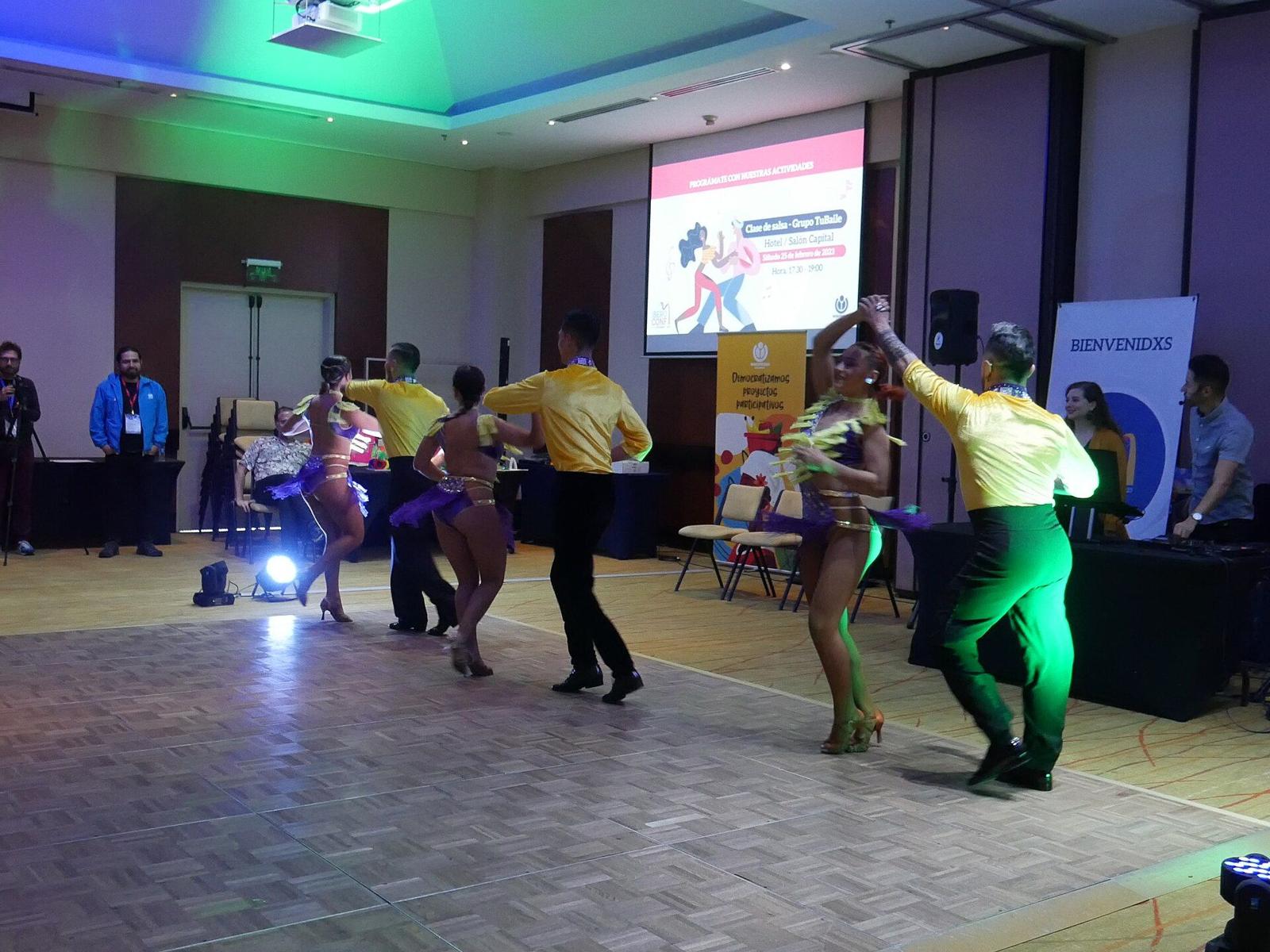
- Workshops during the day, often in parallel rooms, one per dance, taught by international and local teachers.
- Shows in the evening, by the invited artists.
- Social parties at night, usually with a separate room and DJ for each dance, sometimes with zouk or tarraxo rooms as well.
- Passes that give access to everything, or cheaper party-only passes.
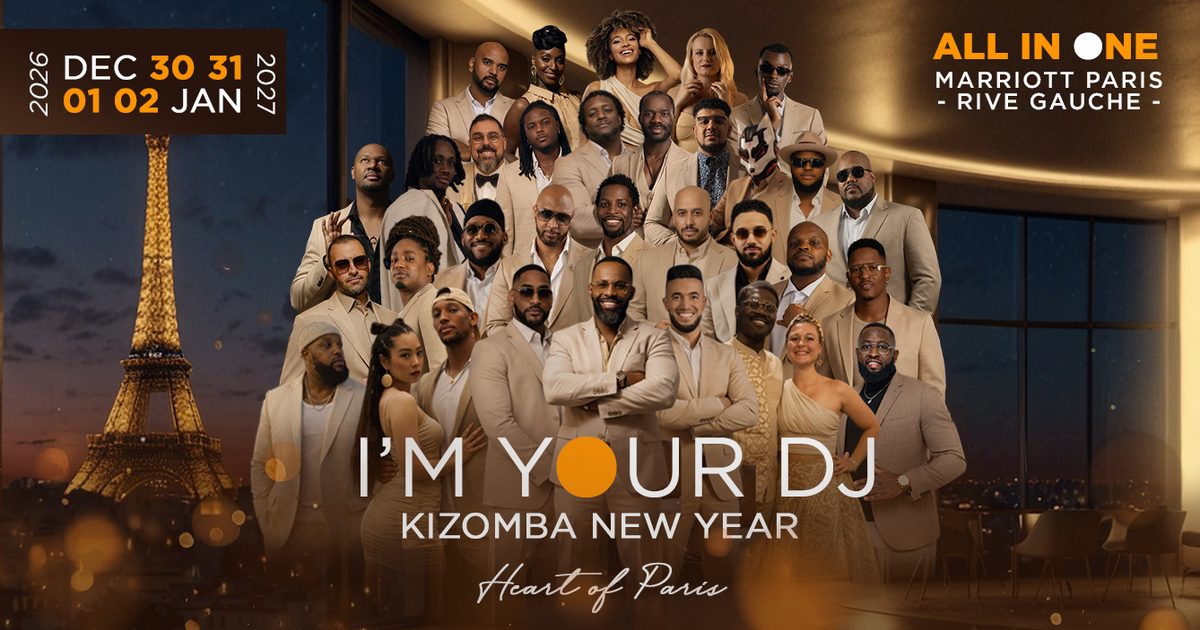
Some events advertise the idea directly: the French congress Vamos a Bailar, for example, presents itself as three congresses in one, salsa, bachata and kizomba, at the same time in the same place, with around 90 hours of workshops in its 2026 edition.
For practical advice on choosing an event, read How to choose a salsa, bachata or kizomba festival, and before you go, Your first dance festival.
SBK schools and classes
Many schools also teach the three dances side by side, sometimes under an SBK banner. That makes sense for dancers who want to go out to mixed parties, where a DJ may switch from salsa to bachata to kizomba in the same night. It also means that the same dancers, and often the same teachers, move between the three.
What SBK is not
The convenience of the label hides a few things worth keeping in mind:
- It is not a dance. There is no SBK step. Each dance has its own technique, music and culture.
- It is not a shared history. The three come from different countries, communities and periods.
- It can blur origins. On the international circuit, kizomba is sometimes taught as one SBK option among others, with little mention of Angola or semba, and bachata is often taught in styles far from its Dominican roots. Some festivals now add classes in Dominican bachata or in traditional kizomba, a debate we follow in Bachata sensual and Kizomba vs urban kiz.
Should you learn all three?
Not necessarily. Many dancers specialise in one or two and enjoy the others occasionally. Learning all three has real advantages at mixed parties and festivals, and each dance can teach you something: salsa sharpens turns and timing, bachata hip movement and musicality, kizomba connection and walking. But depth in one dance usually brings more pleasure than a little of everything. Start with the one whose music moves you most.
FAQ
What does SBK stand for?
Salsa, bachata and kizomba. It is a label used by festivals, schools and dancers for events or classes that combine the three dances.
Are salsa, bachata and kizomba related?
Not by origin. Salsa has Cuban roots and took its name in New York, bachata is Dominican and kizomba is Angolan. They share festivals, schools and dancers, not a history.
What is an SBK festival?
A weekend event with workshops during the day and social dance parties at night, usually with separate rooms for salsa, bachata and kizomba.
Do I need to dance all three?
No. Many dancers focus on one or two. An SBK pass simply gives you access to all the rooms.
Sources
- Salsa Vida, "Kizomba dance" (Dancepedia) and "Salsa Congress"
- Wikipedia, "Salsa congress", consulted November 2026
- SportMag (France), interview with Didier Galvani, SBK coordinator at the Fédération Française de Danse
- HelloAsso, Congrès SBK Vamos a Bailar 2026 event page
- #DANCE, "Who invented the dance congress?", "Bachata vs salsa", "What is kizomba?" and "How to choose a salsa, bachata or kizomba festival", with their own sources