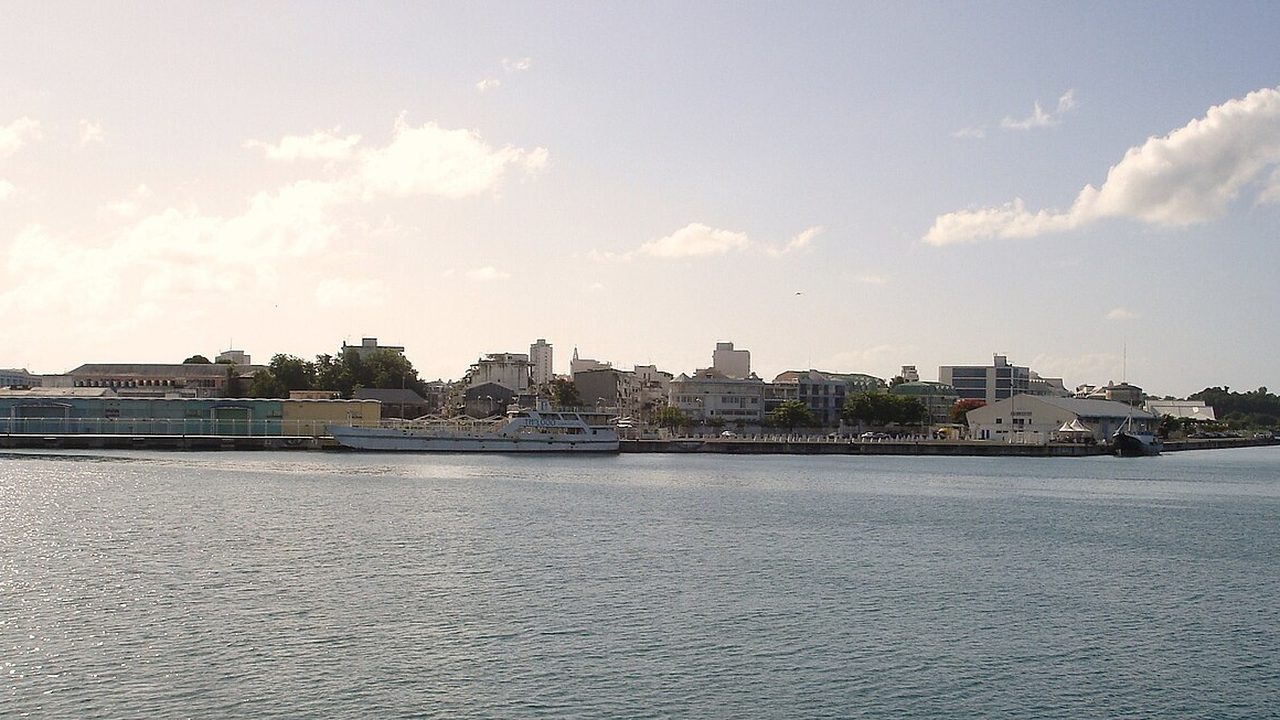
"Zouk" names two different things. Caribbean zouk is a music, born in Guadeloupe and Martinique in the late 1970s and 1980s and made famous by the band Kassav'. Brazilian zouk is a partner dance that grew out of lambada in Brazil in the early 1990s. The link between them is simple: when lambada faded, Brazilian dancers kept its movements and danced them to slower Caribbean zouk records, and the new dance took the name of the music. Today the two live mostly separate lives, with different scenes, festivals and, increasingly, different music.
Caribbean zouk: a music from the French Antilles
Zouk is a musical movement and dance pioneered by Kassav' in the early 1980s. Kassav' formed in 1979 around Pierre-Édouard Décimus and the Paris studio musician Jacob Desvarieux, building on the carnival music of Guadeloupe and on the Haitian kompa and Dominican cadence bands that dominated the region. Kassav'.
Zouk first had a fast, percussive, horn-heavy sound, later called zouk béton, the carnival side of the music. As the 1980s went on, it slowed down, and from the second half of the decade a slower, romantic style took over: zouk love, which became the most popular form of zouk in the 1990s. Zouk béton and zouk love.
In the French Antilles and Paris, couples dance zouk love much like konpa: close, with small steps and a steady, rolling groove. Kompa vs zouk.
Caribbean zouk also travelled to Africa. In the 1980s and 1990s it shaped a generation of musicians in Cape Verde, and in Angola it met semba and helped produce kizomba. Zouk vs kizomba.
Brazilian zouk: a dance from lambada
Lambada was a Brazilian music and dance phenomenon of the 1980s. In 1989, the French-Brazilian group Kaoma took the song "Lambada" around the world. When the craze faded, dancers in Porto Seguro and Rio de Janeiro kept dancing lambada movements, but to the slower Caribbean records now on the dance floors: zouk. The dance evolved, and it took the name of the music. Brazilian zouk: how lambada became a new dance.
In Rio, Adílio Porto and Renata Peçanha are credited with creating and systematising traditional, Rio-style Brazilian zouk. Other styles followed: lambazouk from Porto Seguro, closer to lambada; soulzouk, often danced to R&B; M-Zouk; and neo zouk. Brazilian zouk styles.
Brazilian zouk is known for its flowing body movement, head and torso work and close connection. The Brazilian Zouk Dance Council dates its rapid international expansion to 2007 onwards, when teachers took it abroad through workshops, shows and congresses.
Side by side
| Caribbean zouk | Brazilian zouk | |
|---|---|---|
| What it is | Above all a music | A partner dance |
| Where | Guadeloupe and Martinique, then Paris | Brazil: Porto Seguro, Rio de Janeiro |
| When | Late 1970s and 1980s | Early 1990s |
| Roots | Antillean carnival music, gwoka, kompa, cadence | Lambada |
| Key names | Kassav', Jocelyne Béroard, Patrick Saint-Éloi | Adílio Porto, Renata Peçanha |
| How it is danced | Close, small steps, konpa-like | Flowing, with head and torso movements |
| Music today | Zouk béton, zouk love | Zouk, R&B and other genres |
A short timeline
- 1979: Kassav' forms between Guadeloupe and Paris.
- Early 1980s: zouk takes off, first in its fast carnival form, later called zouk béton.
- Mid-1980s: Kassav's "Zouk la sé sèl médikaman nou ni" makes zouk a craze across the Caribbean, Latin America, Europe and Africa.
- Second half of the 1980s: slower, romantic songs take over and become known as zouk love.
- 1980s and 1990s: zouk shapes new music in Cape Verde and helps produce kizomba in Angola.
- 1989: Kaoma's "Lambada" becomes a worldwide hit.
- Early 1990s: in Brazil, dancers keep lambada movements but switch to zouk records. Brazilian zouk is born.
- 2007 onwards: Brazilian zouk spreads internationally through workshops, shows and congresses, according to the Brazilian Zouk Dance Council.
The two stories cross only once, in Brazil around 1990, and then go their own ways. That is why the same word can mean a Kassav' song in Pointe-à-Pitre and a head roll at a dance congress in Europe.
Why the confusion matters
The shared name causes real confusion. Someone looking for "zouk classes" may find a Brazilian zouk school and never hear a Kassav' song, while someone who grew up with zouk love in Paris may not recognise the dance at all. Saying Brazilian zouk in full, and crediting the French Antilles for the music, avoids both mistakes.
How to explore both
- Listen to Caribbean zouk: start with Kassav', Jocelyne Béroard and Patrick Saint-Éloi.
- Dance it the Antillean way: look for zouk love or kompa classes in Paris, the Antilles or Caribbean festivals.
- Try Brazilian zouk: look for schools teaching Rio-style foundations, with good technique for head movements.
Frequently asked questions
Is Brazilian zouk the same as Caribbean zouk? No. Caribbean zouk is a music from the French Antilles; Brazilian zouk is a partner dance from Brazil.
Why is Brazilian zouk called zouk? Because it was first danced to Caribbean zouk records when lambada faded.
What music is Brazilian zouk danced to today? Some zouk, and other music such as R&B, especially in soulzouk.
How is Caribbean zouk danced? Close, with small steps, much like konpa.
FAQ
Is Brazilian zouk the same as Caribbean zouk?
No. Caribbean zouk is a music from the French Antilles, danced there in a close, konpa-like way. Brazilian zouk is a partner dance created in Brazil from lambada, which took its name from the zouk records it was first danced to.
Why is Brazilian zouk called zouk?
When the lambada craze faded in the early 1990s, Brazilian dancers kept its movements and danced them to slower Caribbean zouk records. The dance changed and took the name of the music.
What music is Brazilian zouk danced to today?
Some Caribbean zouk is still played, but much Brazilian zouk is danced to other music, such as R&B, especially in styles like soulzouk.
How is Caribbean zouk danced?
In the French Antilles and Paris, couples dance zouk love much like konpa: close, with small steps and a steady, rolling groove.
Sources
- #DANCE, "Kassav'", "What is zouk love?", "What is zouk béton?", "Brazilian zouk: how lambada became a new dance" and "Brazilian zouk styles", with their own sources
- Wikipedia, "Zouk" and "Kassav'"