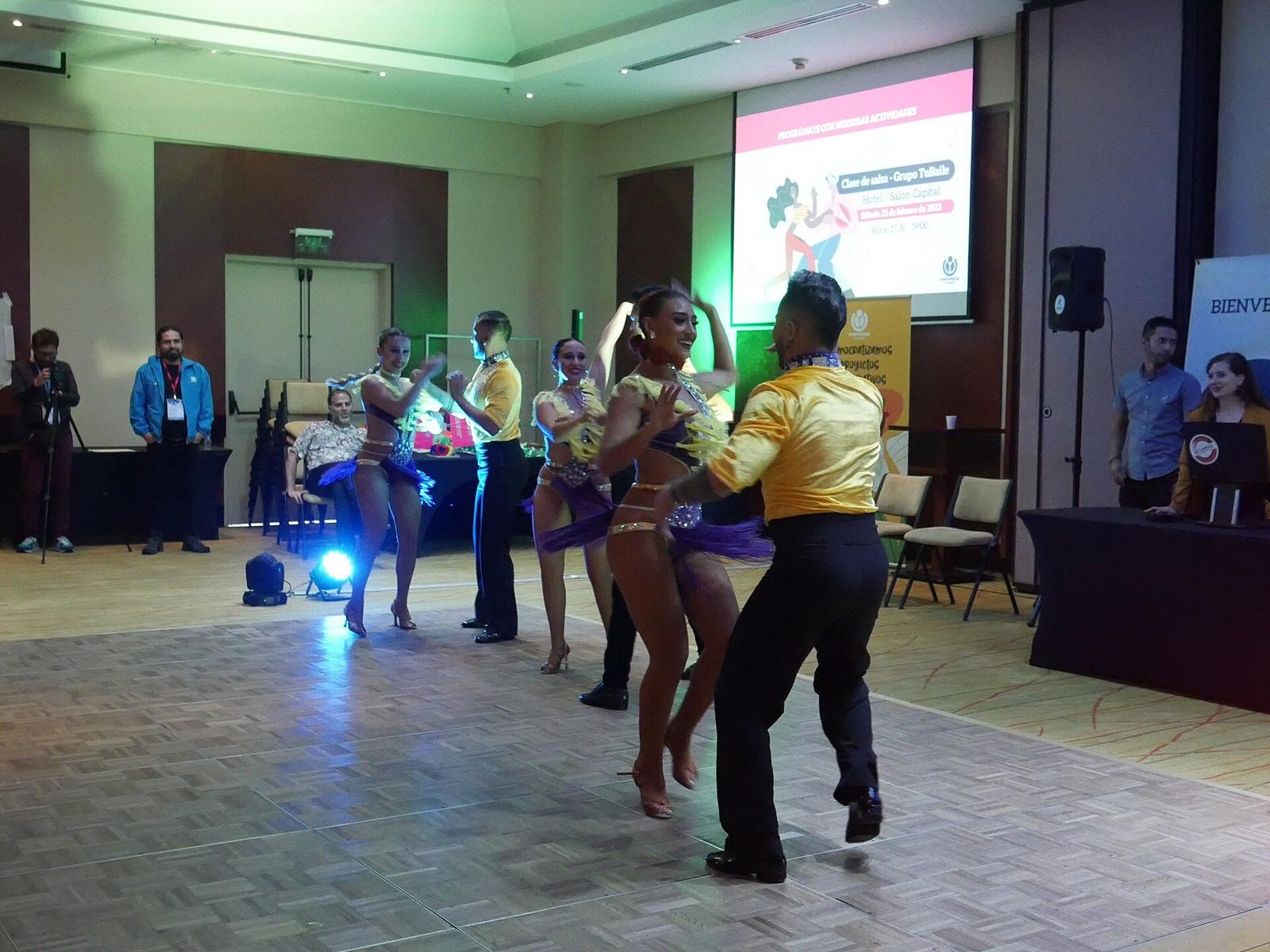
Cuban rumba is a secular Afro-Cuban genre of music, dance and song that grew in the poor neighbourhoods of Havana and Matanzas in the late 19th century. It is built on conga drums, the clave, call-and-response singing and improvised dancing, and it has three classic styles: yambú, guaguancó and columbia. It is not the ballroom "rhumba" seen on television, which grew from son and big-band music. Rumba fed salsa, timba and much of Cuban popular music, and UNESCO inscribed it in 2016. If you dance Cuban salsa, its spirit is closer than you think.
Born in the solares
Wikipedia notes that most ethnomusicologists place the roots of rumba in the solares of Havana and Matanzas in the 1880s: large houses in the poor dock neighbourhoods, divided into rooms around a shared courtyard and home mostly to the descendants of enslaved Africans. The word rumba itself was used there as a synonym for party.
The music drew on African traditions, including Abakuá and yuka, and on the Spanish-influenced coros de clave, large choirs popular between the 1880s and the 1910s. From those choirs came the coros de guaguancó, which added drums and gave rise to the first true rumba groups.
UNESCO describes rumba as mainly associated with African culture, with elements of Antillean culture and Spanish flamenco, and as a symbol of a marginalised layer of Cuban society, an expression of self-esteem and resistance. It was passed on by imitation, within families and neighbourhoods.
The instruments
Early rumberos played whatever was at hand: wooden boxes called cajones and household drawers. In the early 20th century the boxes gave way to conga drums, or tumbadoras. A classic ensemble uses:
- The clave, two hard wooden sticks struck together, the rhythmic key of the whole music. The lead singer usually plays it.
- Three congas: the quinto, the highest drum, which improvises and talks with the dancers; the tres dos, in the middle; and the tumba or salidor, the lowest.
- The palitos or guagua, sticks played on a piece of bamboo or the side of a drum.
Rumba songs usually open with the diana, a melody sung on syllables, followed by the canto, the lead singer's verses, and then the call-and-response chorus.
Three styles
Yambú is considered the oldest style, sometimes called "yambú of Spanish times". It is the slowest, and its dance includes movements that imitate frailty or old age. It can be danced alone, usually by women, or as a couple, and men do not perform the vacunao.
Guaguancó is the most popular and influential. It is faster than yambú and works as a playful contest between a man and a woman. The man tries to "catch" his partner with the vacunao, a sudden gesture often made with the pelvis, while she entices him and skilfully avoids being touched. It is a game of timing, wit and attitude.
Columbia is fast and energetic, traditionally a solo male dance. Wikipedia notes that it grew in hamlets, plantations and docks where men of African descent worked together, and that the rumba master Gregorio "El Goyo" Hernández traced it to the drum patterns and chants of the Abakuá.
Rumba is not ballroom rumba
The word has travelled far. In the United States, "rhumba" was used from the 1920s for big-band ballroom music with Afro-Cuban themes. Wikipedia describes that music as mostly inspired by son cubano and rhythmically and instrumentally unrelated to Cuban rumba; "The Peanut Vendor" by Don Azpiazú (1935) and the bandleader Xavier Cugat made it hugely popular. By the end of the 20th century this rhumba was danced to pop and jazz bands on TV shows such as Dancing with the Stars, far from the courtyards of Havana.
The same confusion explains Congolese rumba. In the 1930s and 1940s, Cuban son records were played on the radio in Léopoldville, today's Kinshasa, and "rumba" was the label under which Cuban music was sold in Africa. The music Congolese guitarists built from those records took the name too. We tell that story in Soukous and Congolese rumba.
Rumba after the revolution
Rumba long stayed at the margins. Wikipedia notes that it only gained national recognition from the 1950s. After the 1959 revolution, the Ministry of Culture and the Conjunto Folklórico Nacional de Cuba promoted rumba as national culture, which created two kinds of rumba: the spontaneous backyard rumba among friends and family, and a more structured stage version for theatres and tourists.
Great rumba groups have recorded since the 1940s, among them Los Papines, Los Muñequitos de Matanzas, Clave y Guaguancó, AfroCuba de Matanzas and Yoruba Andabo. In the 1970s, the Havana group Los Chinitos invented guarapachangueo, a freer, more conversational way of drumming that modernised rumba.
How rumba shaped salsa and timba
Rumba runs through Cuban popular music. Wikipedia notes that 1920s son records already used quinto phrases on the bongos, that the jam sessions later called descargas were first known as rumbitas, and that guaguancó was folded into the 1970s style called songo. In the United States, guaguancó rhythms became part of salsa alongside son. Today's timba musicians cite rumba as a main source of inspiration; read What is timba?.
For salsa dancers, rumba is part of the family tree. Our guides to son cubano, rueda de casino and where salsa came from show the rest of the family.
Heritage
In 2016, UNESCO inscribed "Rumba in Cuba, a festive combination of music and dances and all the practices associated" on its Representative List of the Intangible Cultural Heritage of Humanity. The Committee noted that it brings people together regardless of gender, social or geographical status, and that its inscription would help recognise the contribution of African peoples to the cultural identity of the Americas. Dominican merengue was inscribed in the same session; read What is merengue?.
FAQ
What is Cuban rumba?
A secular Afro-Cuban genre of music, dance and song that grew in the poor neighbourhoods of Havana and Matanzas in the late 19th century, based on percussion, call-and-response singing and improvised dancing.
Is Cuban rumba the same as ballroom rumba?
No. Ballroom 'rhumba' grew from son and big-band music marketed as rumba in the US from the 1920s, and Wikipedia describes it as rhythmically and instrumentally unrelated to Cuban rumba.
What are the three styles of Cuban rumba?
Yambú, the oldest and slowest; guaguancó, the most popular, a couple dance built around the vacunao; and columbia, a fast, solo, traditionally male dance with roots in Abakuá traditions.
What is the vacunao?
In guaguancó, the male dancer's sudden gesture, often a thrust of the pelvis, with which he tries to 'catch' his partner, while she entices him and avoids being touched. It is the game at the heart of the dance.
Is Cuban rumba UNESCO heritage?
Yes. 'Rumba in Cuba, a festive combination of music and dances and all the practices associated' was inscribed on UNESCO's Representative List in 2016.
Sources
- UNESCO, "Rumba in Cuba, a festive combination of music and dances and all the practices associated", inscribed 2016, and Committee decision 11.COM 10.B.7
- Wikipedia, "Cuban rumba" and "Rumba", consulted November 2026
- #DANCE, "What is son cubano?", "What is timba?" and "Soukous and Congolese rumba", with their own sources