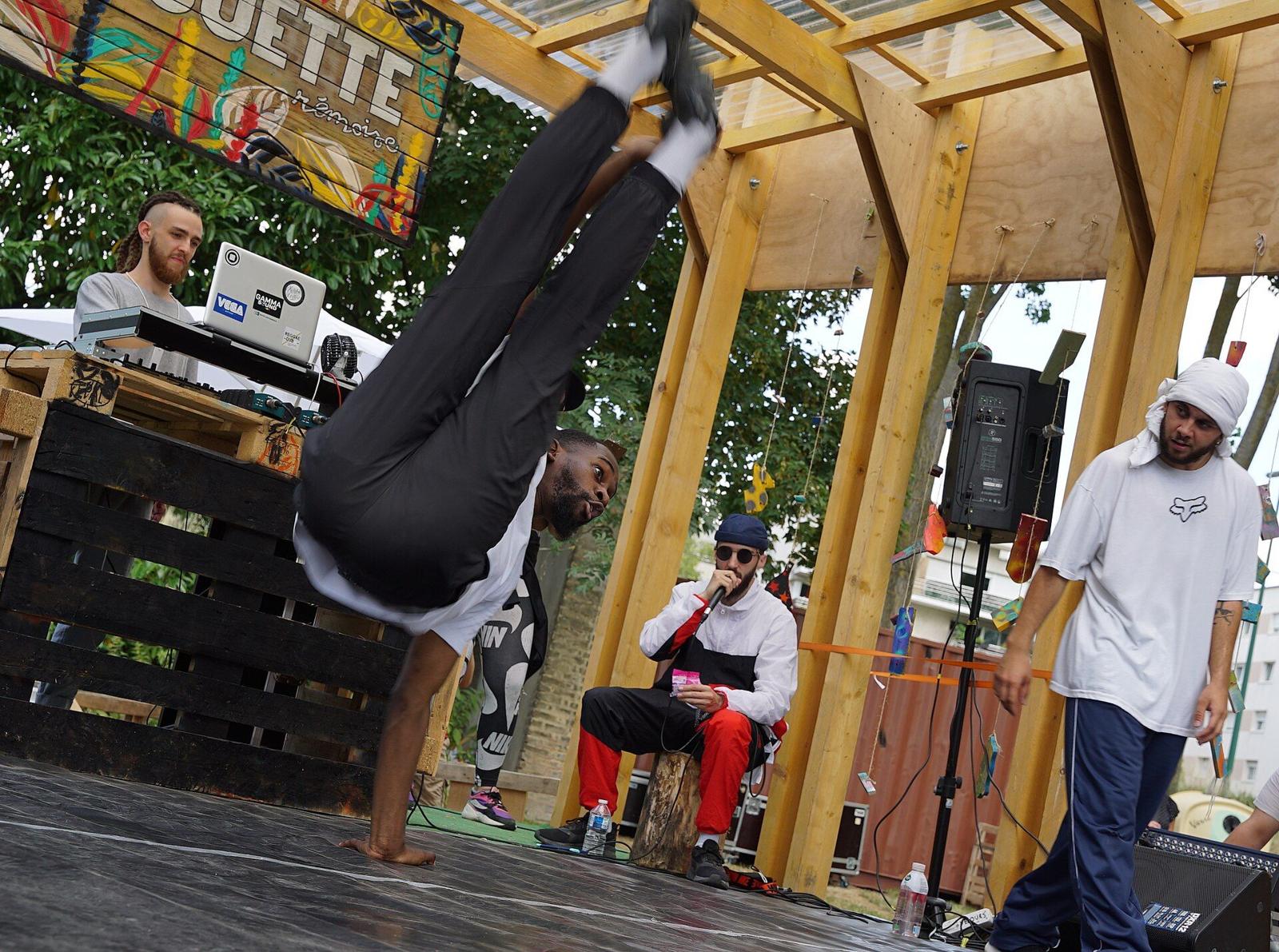
Hip-hop dance began at block parties in the Bronx in the 1970s, where DJs extended the breaks of funk records and dancers, the b-boys and b-girls, invented breaking. At the same time, in California, locking and popping grew from funk music and the TV show Soul Train. In the 1980s, films and television carried these styles around the world, from New York to Paris. From the 1990s, studios turned hip-hop into a choreography culture, while battles such as Juste Debout and Red Bull BC One built an international circuit. In 2024, breaking even became an Olympic sport. Here is the story, step by step.
The 1970s: the Bronx and the breaks
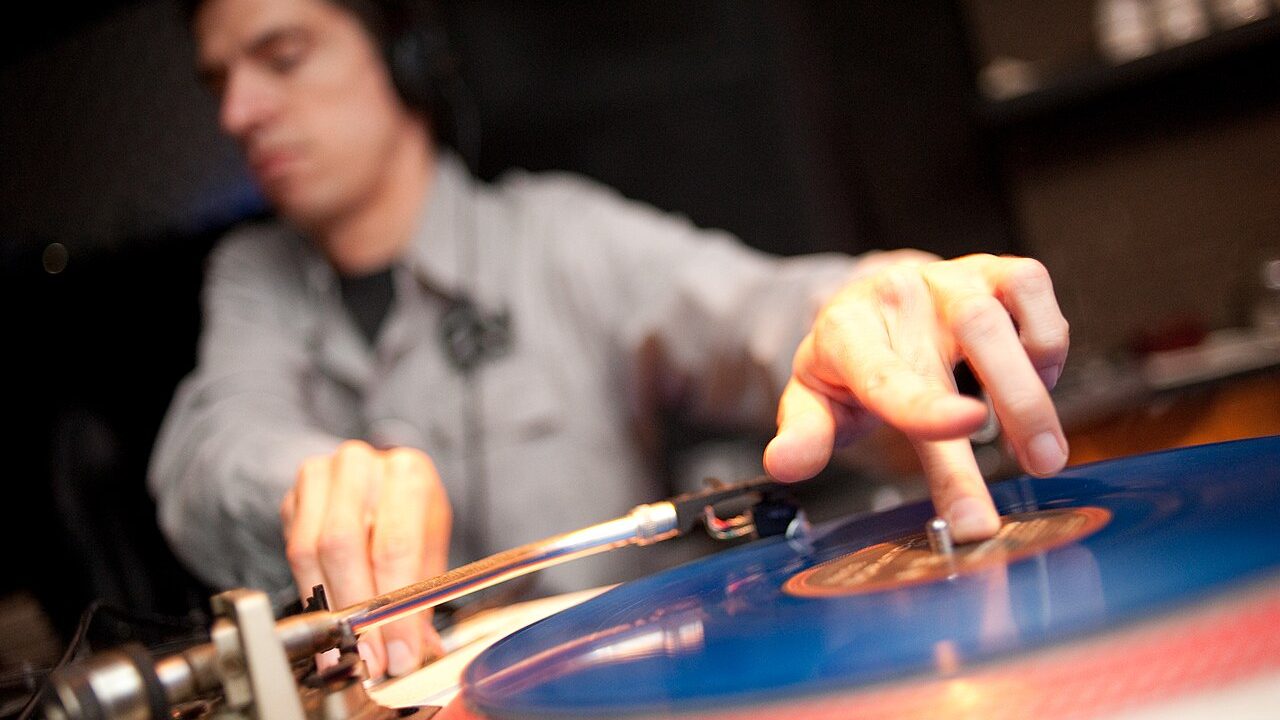
The date most often given for the birth of hip-hop is 11 August 1973, when DJ Kool Herc played his sister Cindy's back-to-school party in the recreation room of 1520 Sedgwick Avenue in the Bronx. Herc noticed that dancers went wild during the instrumental breaks of funk records, and extended them. The dancers who took over the floor during those breaks became the b-boys and b-girls. We tell the story in 1520 Sedgwick Avenue, and DJ technique in Grandmaster Flash and the quick mix theory.
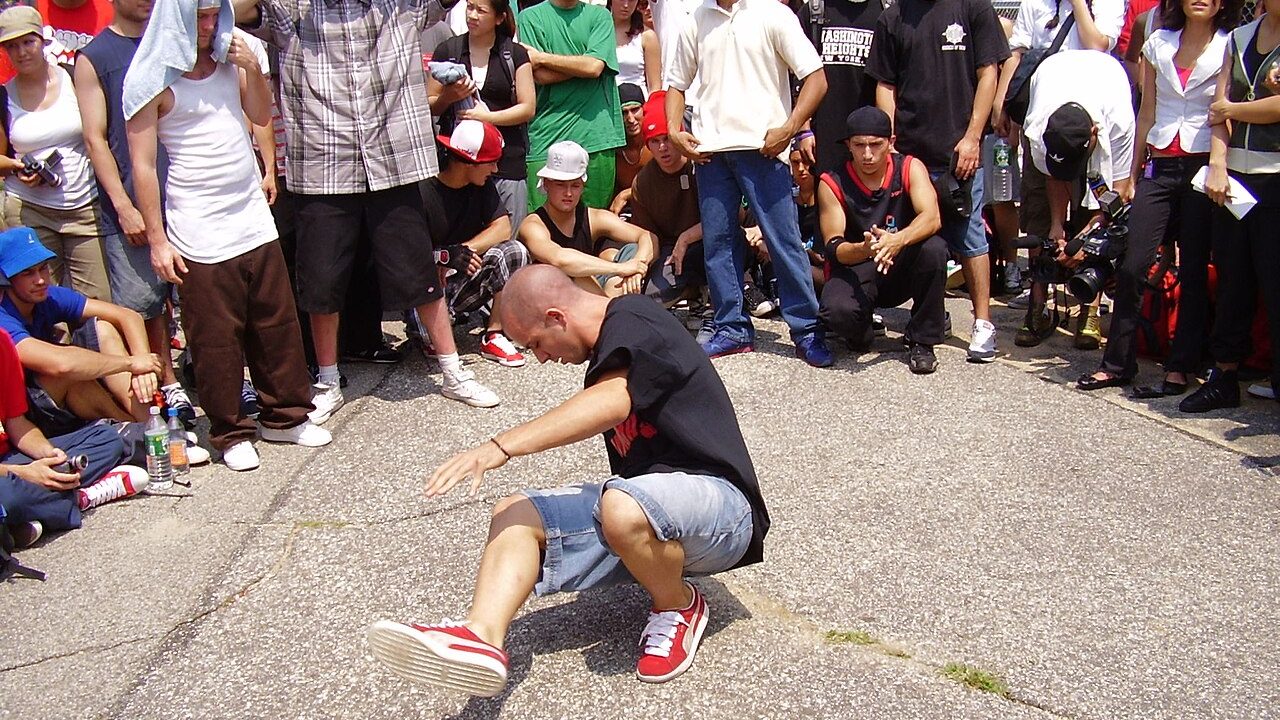
Breaking grew through crews and battles. Rock Steady Crew, founded in the Bronx in 1977, became the most famous of them under Richard "Crazy Legs" Colón. Around the culture, Afrika Bambaataa and the Universal Zulu Nation described hip-hop through its elements: DJing, MCing, breaking, graffiti and, later, knowledge, as we explain in The elements of hip-hop.
The 1970s: California's funk styles
On the West Coast, another family of dances was growing, built on funk rather than breaks. Don "Campbellock" Campbell created locking in Los Angeles around 1970, turning a move he could not quite do into sudden freezes, and his group The Lockers appeared on Soul Train, which went national on 2 October 1971. In Fresno, Boogaloo Sam developed popping and boogaloo in the mid-1970s and founded the Electric Boogaloos in 1977.
These styles are now taught alongside hip-hop, but they have their own roots. Wikipedia notes that popping developed before hip-hop and later influenced hip-hop dance. See Soul Train and street dance, Locking and The Electric Boogaloos.
The 1980s: on screen and around the world
The 1980s turned local dances into a global culture. Members of Rock Steady Crew appeared in Wild Style (1982), Flashdance (1983) and Beat Street (1984), and the documentary Style Wars (1983) recorded the New York scene. On the West Coast, films such as Breakin' (1984) featured dancers from the funk styles. Young people from London to Tokyo copied what they saw.
Television mattered too. In France, the show H.I.P. H.O.P., presented by Sidney on TF1 from 14 January 1984 with the Paris City Breakers, put breaking on national TV every Sunday for 43 weeks; Wikipedia describes it as the first national weekly show in the world dedicated to hip-hop culture. A generation of French dancers began there, as we explain in Paris and street dance.
The 1980s and 1990s: party dances and clubs
As hip-hop music changed, so did the dancing. Social party dances spread through clubs, music videos and parties, and new styles appeared in the clubs of New York and Chicago, where house dance grew from house music, with its own footwork, jacking and lofting. See What is house dance?.
Hip-hop dance also became a choreography culture. Music videos and pop tours needed dancers who could perform routines on camera, and the commercial styles that grew from that work, including jazz funk, are now taught in studios worldwide.
The 2000s: battles, studios and new styles
From the early 2000s, a network of international battles gave dancers a circuit of their own. Juste Debout, founded in Paris in 2002 by Bruce Ykanji, became the reference for "standing" styles: popping, locking, house and hip-hop, two against two. Red Bull BC One, launched in 2004, turned one-on-one breaking into a global series of qualifiers and finals.
At the same time, new styles kept emerging from local scenes in the United States: krump in South Los Angeles, explored in What is krump?, and regional styles such as litefeet, flexing and jookin, described in Litefeet, flexing and jookin. Online video, then social media, made it possible to learn a style from the other side of the world.
The 2020s: the Olympics and beyond
In 2024, breaking made its debut at the Paris Olympics, where B-Girl Ami of Japan and B-Boy Phil Wizard of Canada won the first gold medals. It is not on the programme for Los Angeles 2028, and its Olympic future is uncertain, as we explain in Breaking: from the Bronx to the Olympics.
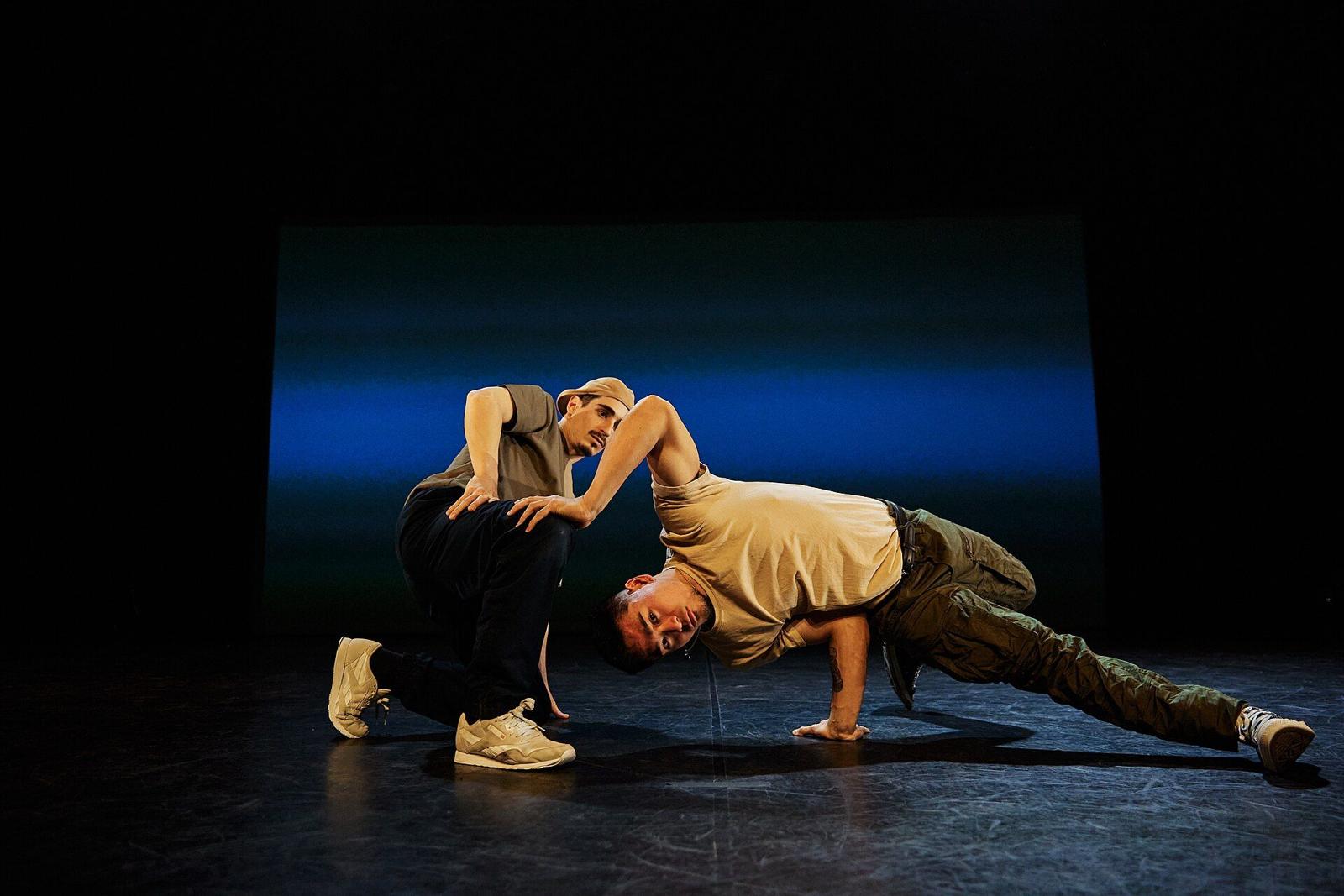
Meanwhile, hip-hop dance lives in many places at once: in cyphers and jams, in battles, in studios teaching choreography to beginners, in music videos and on short-video platforms. The same name now covers the improvised dancing of the Bronx breaks and the routines filmed in a studio in Seoul or Dubai.
Why the history matters
Knowing the history helps you understand what you are learning. A hip-hop class built on choreography, a breaking session and a popping battle all belong to the same broad family, but they come from different places, music and communities. Respecting those roots, naming the pioneers and learning the foundations is part of dancing hip-hop well. For the styles themselves, read What is hip-hop dance?, and if you are starting out, How to start hip-hop dancing as an adult.
FAQ
When did hip-hop dance start?
Hip-hop culture is usually dated to 11 August 1973, when DJ Kool Herc played a party at 1520 Sedgwick Avenue in the Bronx. Breaking grew at those parties in the 1970s.
Are locking and popping hip-hop dances?
They are often grouped with hip-hop dance, but they grew in California from funk music and Soul Train, at the same time as or slightly before hip-hop in New York.
Which films spread hip-hop dance?
Films such as Wild Style (1982), Flashdance (1983), Breakin' and Beat Street (1984) showcased breaking and the funk styles and helped spread them around the world.
Is breaking an Olympic sport?
Breaking made its Olympic debut at Paris 2024 but is not on the programme for Los Angeles 2028.
Sources
- #DANCE, "1520 Sedgwick Avenue: the party where hip-hop began", "Rock Steady Crew", "Soul Train and street dance", "Locking", "The Electric Boogaloos", "What is house dance?", "The elements of hip-hop", "Juste Debout", "Red Bull BC One" and "Breaking: from the Bronx to the Olympics", with their own sources
- Wikipedia, "Popping" and "H.I.P. H.O.P.", consulted November 2026